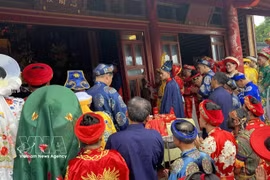
Hue (VNA) – Thousands of people from across Vietnam are gathering in the central city of Hue on April 18 to take part in the Hue Nam Temple Festival, creating a vibrant yet solemn cultural and spiritual atmosphere rich in artistic expression.
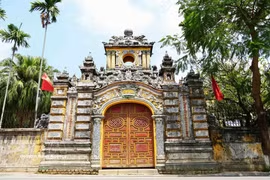
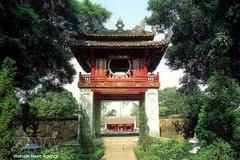
Located on Ngoc Tran Mountain in Hai Cat village on the banks of the Huong River, Hue Nam Temple, also known as Hon Chen Temple, is a renowned spiritual site dedicated to Mother Goddess Thien Y A Na, Goddess Po Nagar, along with other deities.
Recognised as a national intangible cultural heritage in 2025, the festival stands as one of Hue’s most distinctive spiritual events, closely associated with the worship of the Mother Goddess. It brings together local residents, visitors, and practitioners in a shared rhythm of faith and ritual.
Over time, the festival has expanded in both scale and influence. Initially confined within the temple grounds, it gradually drew participation from the local community and has since become a widely celebrated cultural event, reflecting the rich traditions of Mother Goddess worship across Vietnam.
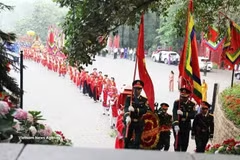
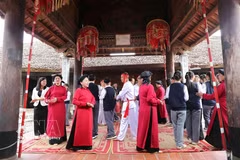
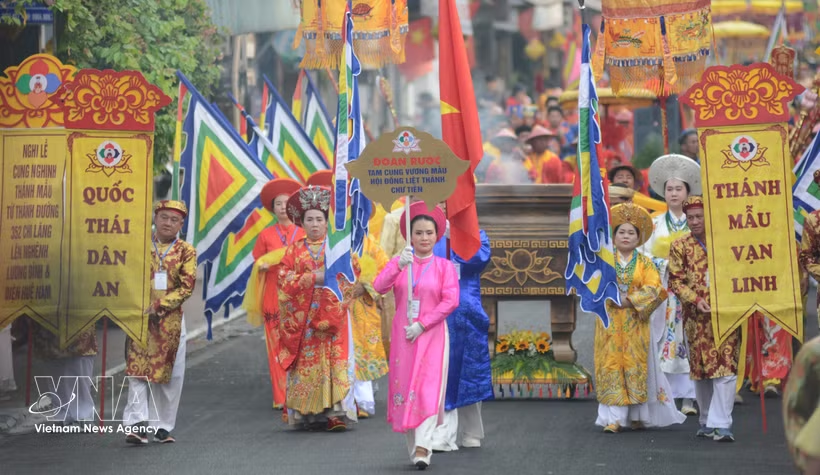
A highlight of the festival is the unique procession of the Mother Goddess, conducted both on land and along the Huong River. Decorated palanquins, traditional music and ritual chants create a sacred yet visually striking cultural spectacle.
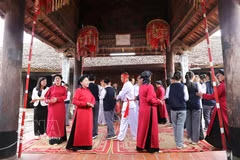
The festival also features a series of solemn rituals, including the opening ceremony, the welcoming of the deity into the temple, pilgrimages, offerings and prayers for peace, health and prosperity. The main ritual, praying for national peace and prosperity, underscores the strong communal spirit embedded in the event. All activities are conducted in accordance with traditional practices while ensuring civility and avoiding superstitious or inappropriate elements.
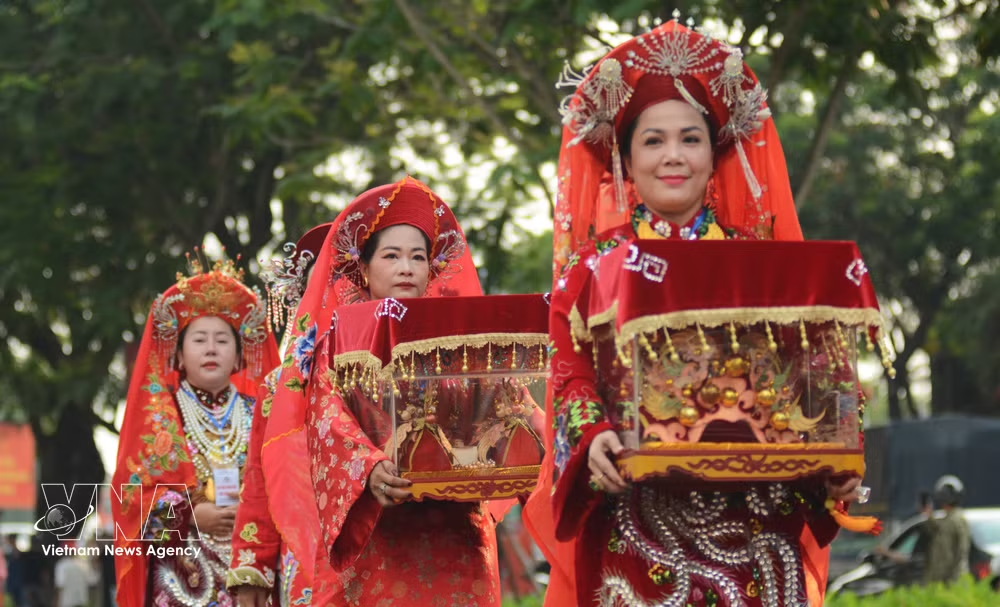
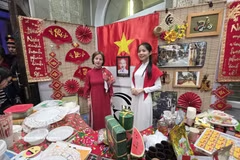
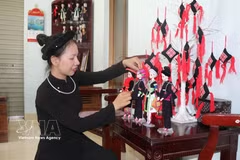
In addition to ritual practices, participants also presented offerings such as agricultural produce and local specialties, symbolising respect for and devotion to the deity.
Taking place on April 18–19 (the 2nd and 3rd days of the third lunar month), the festival also marks the opening of the Hue Summer Festival 2026. Beyond its symbolic significance, the event reflects the city’s evolving approach to festival organisation, aiming to develop a four-season festival model that integrates heritage values with community life and tourism development.
Phan Thanh Hai, Director of the municipal Department of Culture and Sports, said the festival offers opportunities to expand cultural tourism products such as spiritual pilgrimages and river-based experiences.
Held twice annually, in the spring (the third lunar month) and autumn (the seventh lunar month), the Hue Nam Temple Festival serves as an invitation to reconnect with cultural roots, offering a sense of tranquility in a sacred setting and showcasing the profound beauty of Hue’s heritage./.