Hanoi (VNA) – Efforts to uphold and bring into play cultural heritage across Vietnam are helping historical sites and traditional practices regain vitality in contemporary life, transforming them from static relics into dynamic cultural spaces that contribute to local development.
Many localities have adopted flexible and systematic approaches to preserving and promoting the value of historical and cultural sites, bringing heritage closer to communities and visitors.
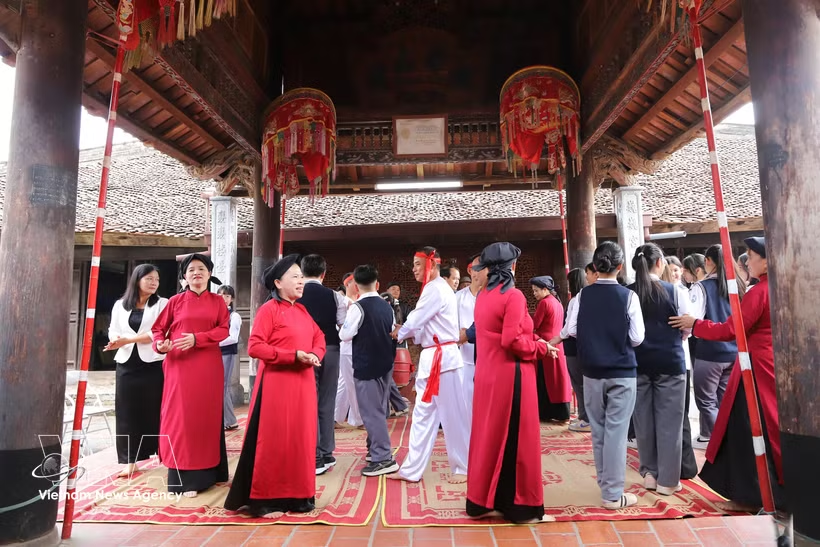
In Nong Trang ward of the northern province of Phu Tho, local authorities and residents have worked together to restore traditional cultural institutions and revive community activities associated with historical relics.
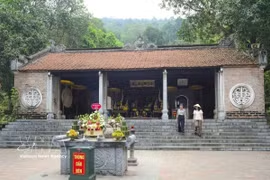
Dinh Ngoc Tien, deputy head of the Management Board of the Nong Trang communal house relic, said the ward is an ancient land dating back to the Hung Kings era and bears rich layers of cultural heritage typical of midland villages. However, urbanisation and industrialisation had previously caused some traditional cultural sites to fade.
In recent years, with attention from local authorities and contributions from the community, the communal house has been restored and upgraded, gradually recovering its original values while expanding spaces to host larger cultural and festive activities.
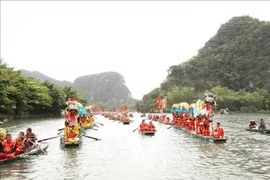
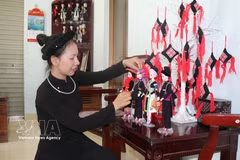
Traditional rituals associated with early spring festivals have also been revived, including palanquin processions, Xoan singing performances, lion dances, ceremonial drum openings, village feasts connecting family lineages, and folk games. These activities have transformed the relic from a quiet historical site into an attractive cultural destination for visitors seeking to explore local traditions and beliefs.
Located along the main road leading to the Hung Kings Temple historical complex, the site also benefits from connections with spiritual tourism routes, creating opportunities to attract visitors and support local service and economic development.
Tien noted that the Party Committee and People's Committee of Nong Trang ward have carried out practical activities in areas housing historical and cultural sites to implement the Politburo's Resolution No. 80-NQ/TW on the development of Vietnamese culture. Beyond restoring heritage, the resolution enforcement in Nong Trang also looks to turn heritage into a development resource.
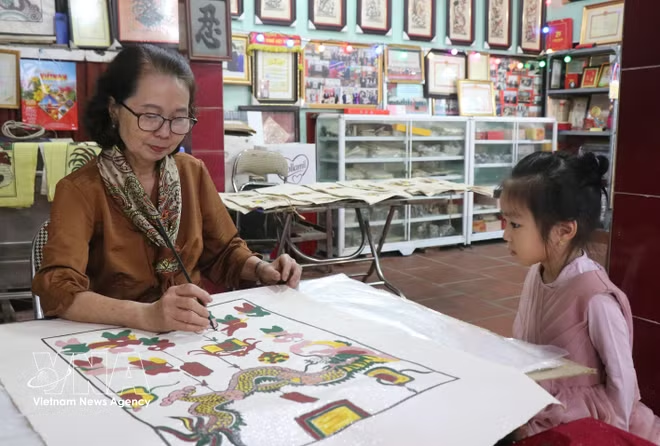
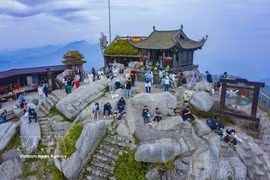
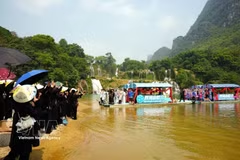
Elsewhere in the central province of Thanh Hoa, the Ba Trieu special national historical and architectural relic site – dedicated to national heroine Trieu Thi Trinh – has become a popular destination for tourists. The annual Ba Trieu Temple Festival has long been a major cultural event in the locality.
In recent years, the festival has been organised with solemn traditional rituals while incorporating tourism promotion activities and displays of local OCOP (One Commune, One Product) items, enriching visitors’ experiences.
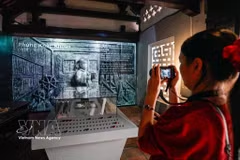
Modern technologies have also been introduced to enhance heritage interpretation. For example, 3D presentations allow visitors to experience images of national treasures related to Ba Trieu while digitised historical materials and interactive spaces such as photobooths create engaging experiences, particularly for younger visitors and international tourists.
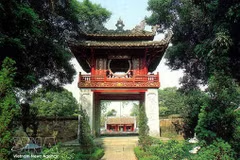
According to the Management Board of the Ho Dynasty Citadel Heritage and key relic sites in Thanh Hoa, the province will continue to restore historical monuments and promote digitalisation and data standardisation. It also plans to strengthen cooperation with schools and travel companies to integrate heritage into education and tourism development, thereby opening up new creativity spaces, improving promotion efforts, and fostering local development in line with Resolution No. 80.
Prof. Dr Le Hong Ly, Chairman of the Vietnam Folk Arts Association, said that Resolution No. 80 has created favourable conditions for the preservation and promotion of cultural heritage. When given due attention and investment, heritage will help to not only uphold traditional values but also improve people's spiritual life while generating economic benefits in the new development context.
Echoing the view, some experts and regulators perceived that the most important thing is to harmonise heritage preservation and development. When awakened by a mindset, new technology, and public participantion, heritage can become a strong resource for Vietnamese culture to reach new and advanced levels in the new era.
Practical experiences in localities such as Phu Tho and Thanh Hoa demonstrate that when heritage is treasured and revitalised in the contemporary life, it can connect generations, nurture community awareness and contribute to the foundation for sustainable local development./.