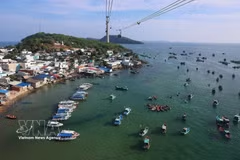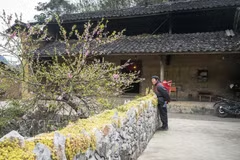
Hanoi (VNA) – In a new era, the tourism industry stands at a turning point, where economic growth must go hand in hand with human-centred and sustainable values. The 11th annual Travel & Sustainability Report by Booking.com offers a comprehensive snapshot of tourism trends in Vietnam.
The survey, conducted among 32,500 respondents across 35 countries and territories, reveals broad recognition of the sector's positive contributions. In Vietnam, 76% of respondents view tourism as a key driver of economic growth.
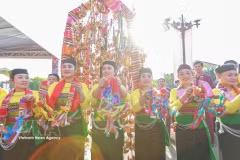
The way people approach travel has also evolved. Rather than focusing solely on personal leisure, tourism is increasingly seen as an opportunity to contribute to local communities and the environment. Some 85% of Vietnamese travellers said sustainable travel is a top priority, while an equal proportion expressed a desire to leave a positive impact on the destinations they visit.
Travelling during the off-peak season is no longer just a cost-saving option but also a meaningful way to promote sustainability. Around 35% of Vietnamese travellers are consciously avoiding peak crowds in favour of a more relaxed travel experience.
A more even distribution of visitors throughout the year helps reduce the seasonal nature of tourism, providing local communities with a steadier and more sustainable source of income.
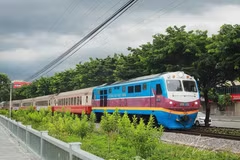
Another key pillar of sustainable tourism is transport. According to the report, 48% of Vietnamese respondents hope to see better public transport systems supporting travel.
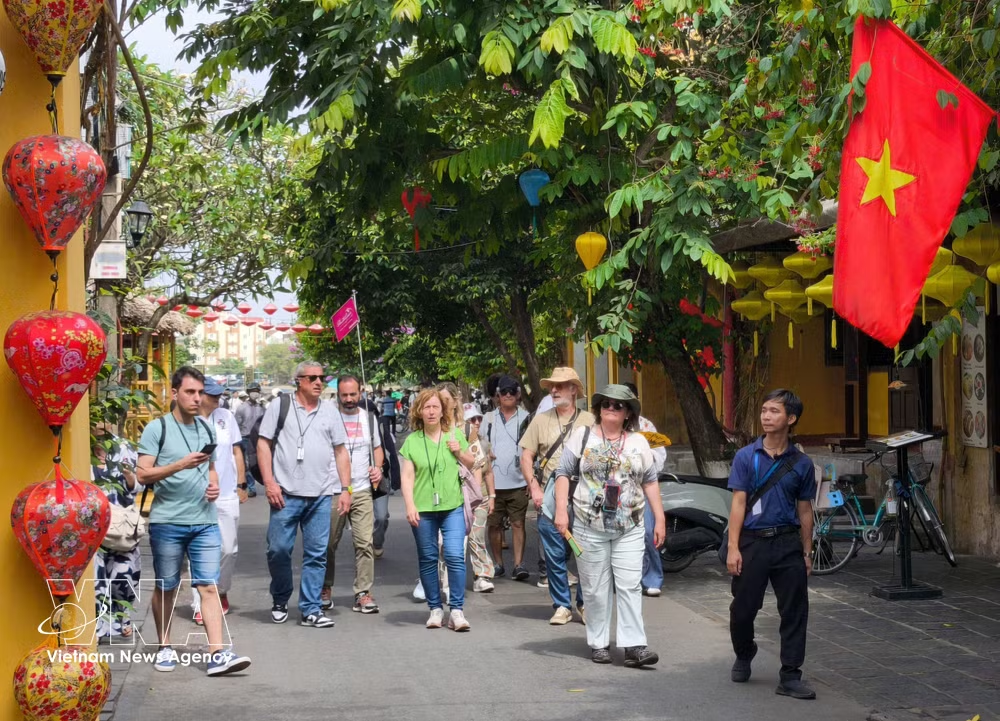
By choosing to walk, cycle or use double-decker buses and metro systems in major cities such as Hanoi and Ho Chi Minh City, travellers can reduce their carbon footprint while experiencing the authentic rhythm of urban life.
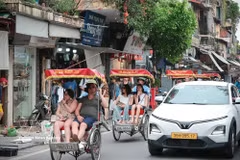
Even taking a traditional cyclo ride through historic streets helps preserve cultural heritage while directly supporting local livelihoods.
The findings of Booking.com's 11th annual report show that sustainable tourism is far from an abstract concept. When travellers recognise that they are part of the tourism ecosystem, travel becomes more than sightseeing; it becomes an opportunity to understand, share and help protect the places they visit./.