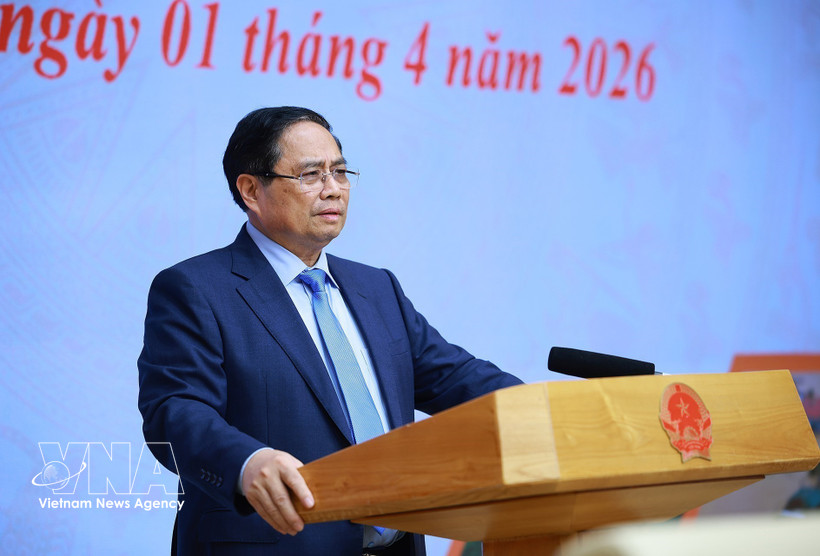
Hanoi (VNA) – Prime Minister Pham Minh Chinh has asked for disaster prevention and control to be firmly aligned with Vietnam’s two centennial strategic goals, stressing a proactive and people-centred approach as the country faces increasingly complex and extreme natural hazards.
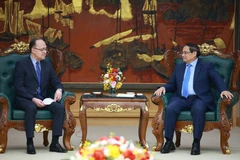
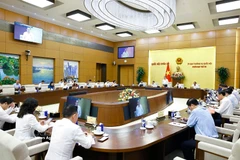
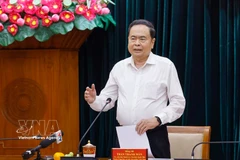
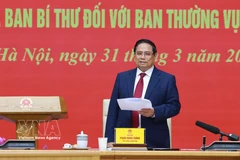
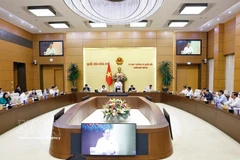
Chairing a hybrid national conference on disaster response as head of the National Civil Defence Steering Committee in Hanoi on April 1, the PM highlighted the increasingly complex and extreme nature of natural disasters, warning that they pose mounting risks to lives, infrastructure and socio-economic development.
He noted that in 2025, Vietnam endured a series of unusual and severe weather events that caused heavy losses.
In that context, under the direct and close guidance of General Secretary To Lam and other Party and State leaders, with the decisive involvement of authorities at all levels, sectors, localities, and forces, as well as the unity and efforts of the entire Party, the people, and the armed forces, disaster prevention and response efforts were implemented comprehensively and extensively, thus minimising losses, he noted.
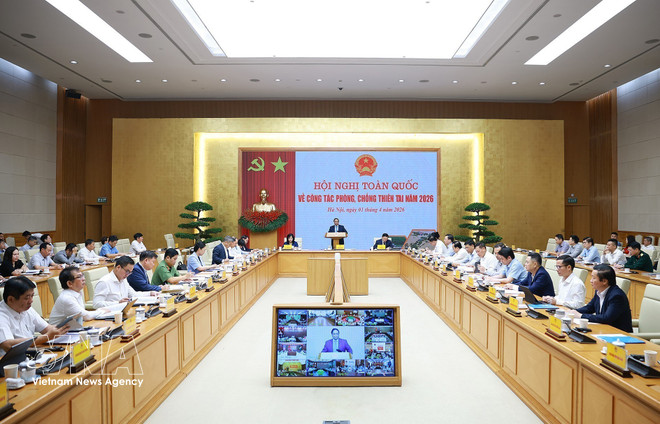
The Government’s leadership and direction, he said, were implemented decisively across all levels, while early forecasting, warning and response mechanisms were strengthened. The legal framework for disaster management continued to be improved, and recovery efforts were carried out promptly and effectively under the spirit of national solidarity, ensuring that no one is left behind.
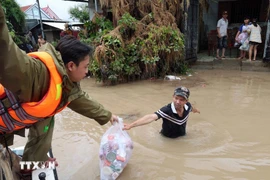
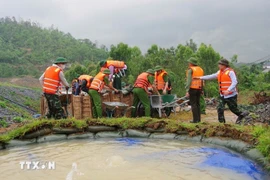
Coordination among forces under the “four on-the-spot” and “three readiness” principles proved effective, with the military and public security forces playing a leading role. Communication efforts were also conducted proactively, helping raise public awareness and preparedness, the PM said.
The PM commended the extraordinary efforts, important achievements and contributions of ministries, sectors, localities, the armed forces, the public, and international partners in disaster response and recovery. He particularly applauded frontline forces, especially the military and police, for their dedication and sacrifices in safeguarding lives and property under hazardous conditions.
Highlighting key lessons learned in the work, the PM stressed the need for proactive, flexible and timely leadership, placing people at the centre of all actions. He called for a quick shift from passive responses to proactive prevention and post-disaster mitigation, alongside stronger national solidarity and closer coordination among stakeholders.
Pointing out existing shortcomings in awareness, forecasting capacity, infrastructure and response coordination, the PM reiterated that disaster management must serve broader development objectives. It should be integrated into the realisation of Vietnam’s long-term strategic vision, including its centennial goals and aspirations for double-digit economic growth.
“Investment in disaster prevention is investment in development,” he affirmed, calling for continued improvements in relevant institutions and policies, as well as modernised forecasting systems. Grassroots units such as communes and wards should be strengthened as resilient “fortresses” in disaster response, he noted.
He also urged enhanced strategic reserves, innovation in the “four on-the-spot” approach, and mechanisms to mobilise the combined strength of the entire political system, the public, and both domestic and international resources, including public-private partnerships.
The Ministry of Agriculture and Environment was tasked with reviewing reservoir operations and developing comprehensive disaster response plans, including for extreme events, while drafting a national disaster prevention plan for 2026–2030. Other ministries were asked to ensure emergency readiness, maintain infrastructure resilience, secure energy supply, and promote the application of digital technology and artificial intelligence in forecasting, to strengthening disaster education and training.
Local authorities were instructed to integrate disaster risk management into socio-economic development planning, reinforce the safety of dike and reservoir systems, and prepare relocation plans for communities in high-risk areas.
Reaffirming that protecting lives and property is a top priority and a measure of governance effectiveness, the PM called for greater determination, stronger coordination and more decisive actions. With the spirit of treating disaster response “like fighting an enemy,” he urged authorities at all levels and sectors to act with higher resolve, greater efforts and more effective measures to ensure the safety, peace and well-being of the people./.