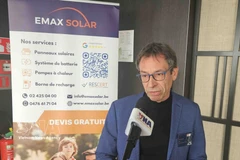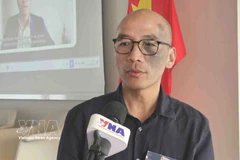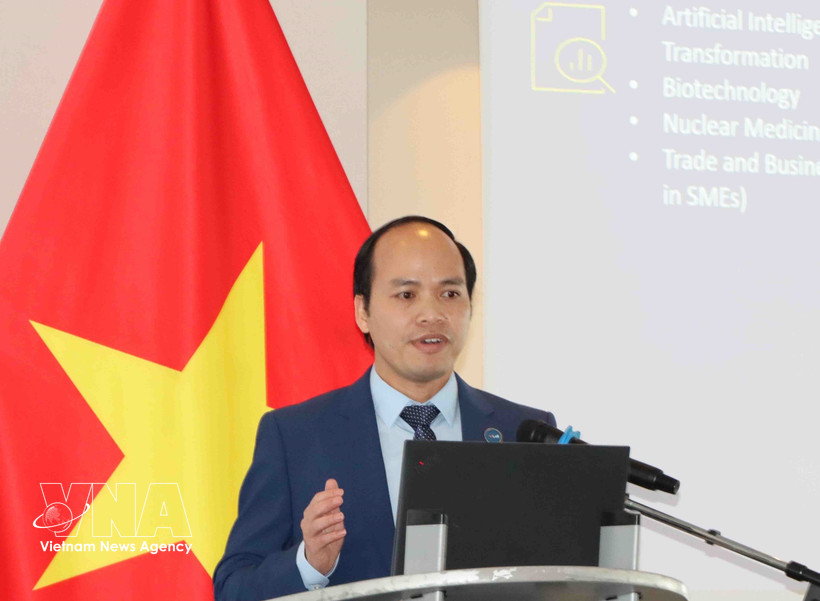
Brussels (VNA) – As Vietnam accelerates the rollout of artificial intelligence in nuclear medicine, tapping into international experience, particularly those from Europe, is seen as essential, according to President of the Association of Vietnamese Intellectuals in Belgium-Luxembourg (ViLaB) Phung Quoc Tri.
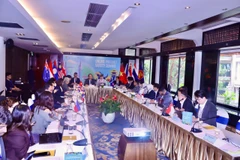
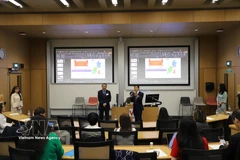
Talking with the Vietnam News Agency’s reporters on the sidelines of a recent workshop on Vietnam - European Union cooperation in sci-tech and trade held in Brussels, Tri said Europe’s decades of expertise in nuclear energy and technology offers an important groundwork for cutting-edge uses, including AI integration in nuclear medicine.
Countries such as France and Belgium have developed nuclear technology ecosystems over 40 - 60 years, allowing them to roll out modern solutions efficiently while maintaining high standards of safety and reliability. Vietnam, still at an early stage, has ample room to learn from Europe in technology and solution selection, safety standards and operational models, he said.
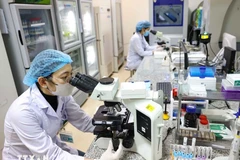
Tri described nuclear medicine as a relatively new but promising field, especially for cancer diagnosis and treatment. Europe ranks among the world’s key suppliers of radioactive isotopes for medical use, and pairing these data-rich imaging technologies with AI can sharpen diagnostic precision and help doctors design more effective treatment plans.
Vietnam has begun introducing the techniques at several major hospitals, primarily for cancer diagnosis and treatment. Still, Tri stressed that sustainable growth of nuclear medicine will depend heavily on a stable supply of radioactive isotopes, which he described as a decisive factor. In Europe, modern research reactors and particle accelerators ensure steady availability, leading to better treatment outcomes.
ViLaB is facilitating links between Vietnamese scientists, doctors and top European research centres, acting as a bridge for cooperation and technology transfer. One effort pairs Vietnam’s 108 Military Central Hospital with Belgian partners for staff training and nuclear medicine technology transfer.
Tri said Vietnam needs a long-term strategy to develop specialised research and development centres in nuclear medicine, a process that will require substantial time, resources and meticulous planning. Human capital must take precedence, he said, with targeted investments in training specialists, technicians and doctors, alongside modern equipment and appropriate financing mechanisms.
He also pointed out that partnerships between Vietnamese hospitals and European partners remain fragmented and lacks a comprehensive coordination framework, which curbs their impact. A unified strategy and better coordination among stakeholders bolster these ties and deliver more balanced international cooperation.
Scientific forums and international workshops are essential to break down bottlenecks and advance practical sci-tech collaboration between Vietnam and Europe, Tri added./.