FPT, Korean firm seal deal on comprehensive automotive cybersecurity solutions

The partnership is intended to strengthen FPT’s cybersecurity capabilities in automotive software projects while laying the groundwork for joint development of solutions for software-defined vehicles (SDVs) in the RoK and the world.

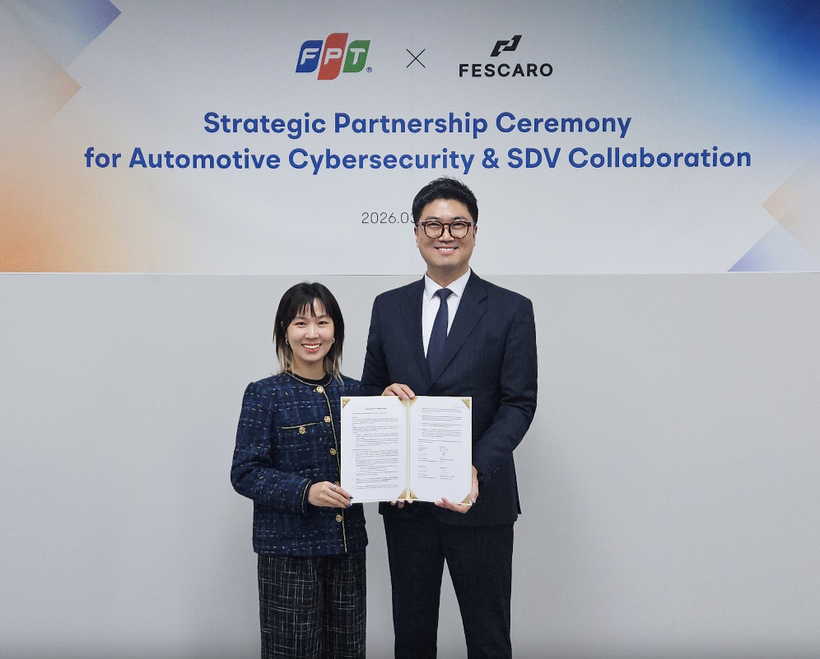
At the signing ceremony of the memorandum of understanding between FPT Corporation and FESCARO take place in the Republic of Korea. (Photo: FPT Corporation)

Hanoi (VNA) – Vietnamese technology group FPT Corporation has signed a memorandum of understanding with FESCARO, the Republic of Korea (RoK)’s leading provider of integrated vehicle security platforms, to cooperate in automotive software and cybersecurity.

The partnership is intended to strengthen FPT’s cybersecurity capabilities in automotive software projects while laying the groundwork for joint development of solutions for software-defined vehicles (SDVs) in the RoK and the world.

Both sides aim to deliver comprehensive, scalable solutions for car manufacturers and Tier-1 suppliers to meet increasingly stringent security standards.

The partnership will cover the entire automotive cybersecurity value chain, including security solutions, security testing, penetration testing, threat analysis, risk assessment and consultancy services.

In the initial phase, FPT and FESCARO will focus on providing SDV-related services tailored to key customers in the Korean market. The two companies will also explore opportunities in connected and autonomous vehicles worldwide.

Nguyen Thi Thuy Duong, FPT Automotive Chief Revenue Officer at FPT Corporation, said the partnership would combine the strengths of both parties in supporting Korean clients, enhancing adaptability, fostering innovation and building a sustainable foundation for next-generation mobility.

Ku Seong-seo, Chief Strategy Officer of FESCARO, noted that by leveraging FPT’s global software development experience and FESCARO’s automotive cybersecurity technology, the two sides would establish a cooperation model aligned with the rapid evolution of SDV platforms. He added that the partnership would also drive the expansion of joint business opportunities in global markets.

With more than two decades of experience in automotive technology, FPT has built a global workforce of over 5,000 automotive software engineers and established strategic partnerships with leading chipmakers, Tier-1 suppliers and vehicle manufacturers. The group is also investing in future strategic technologies through its digital automotive technology programme at FPT University.

Recently, FPT signed a technical support and development agreement with Qualcomm, becoming the latter’s first partner in Vietnam under this cooperation model and second partner in Southeast Asia in the automotive technology sector. Through the partnership, FPT gains direct access to Qualcomm’s latest technologies and technical resources, accelerating the development of AI-based automotive solutions and strengthening Vietnam’s position in core technology development./.

VNA
See more

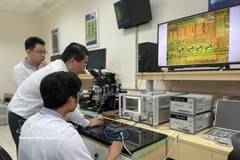
The High-Frequency Systems and Microchip Laboratory at Ho Chi Minh City University of Technology, Vietnam National University, Ho Chi Minh City. (Photo: VNA)

Ho Chi Minh City sets sights on becoming semiconductor hub

A central component of the plan is expanding cooperation with global technology leaders such as AMD, NVIDIA and Qualcomm. These partnerships are expected to support technology transfer, strengthen chip design capabilities and help the city move further up global semiconductor value chains.

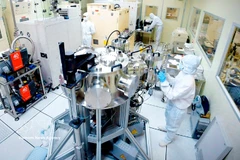
The modern nanotechnology research laboratory of Vietnam National University, Ho Chi Minh City. (Photo: VNA)

Resolution 57 delivers tangible outcomes from local practice

In the course of implementing this resolution, the northern province of Quang Ninh has emerged as one of the early movers in translating strategic orientations into comprehensive development models linked to innovation and digital transformation.

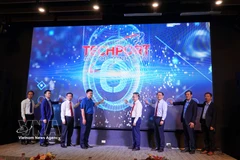
Delegates at the launch of the new version of Ho Chi Minh City technology exchange platform. (Photo: VNA)

Ho Chi Minh City launches upgraded technology exchange platform

The upgraded platform represents a comprehensive shift from a simple information-sharing model to a managed online technology trading system, enabling monitoring and measurement of real transaction outcomes. It is built on three pillars, namely new tradable technology products, a modern digital platform, and an improved operational model.

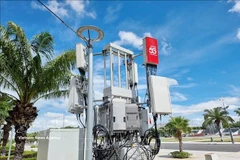
A Viettel 5G base station provides coverage at the April 16 Square area in Dong Hai ward, Khanh Hoa province. (Photo: VNA)

Conquering 6G networks helps Vietnamese businesses master strategic technologies

The global 6G alliance marks not only a technological milestone but also an opportunity for Vietnamese enterprises to strengthen their position on the global technology landscape. With the involvement of FPT, Viettel and VNG, Vietnam is gradually emerging as an early mover in the development and application of 6G technology.

At the Online Product Safety Summit in Hanoi on March 18. (Photo: dms.gov.vn)

Hanoi summit advances operation of ASEAN product safety portal

The Online Product Safety Summit in Hanoi on March 18 focused on practical enforcement solutions for identifying and removing non-compliant goods from online marketplaces, thereby strengthening consumer protection amid the rapid growth of e-commerce.

Illustrative image (Photo: VNA)

Resolution 57 charts directions for Vietnam’s technology ecosystem

Vietnam's sci-tech sector must evolve from a manufacturing base toward mastering technologies and ultimately developing original products independently, which requires shifting away from outsourcing and assembly models to one where domestic scientists lead in design, development and ownership of core technologies.

Party General Secretary To Lam (centre), Prime Minister Pham Minh Chinh (left), and Chairman of the Party Central Committee’s Commission for Internal Affairs Phan Dinh Trac mark the start of work on a high-tech semiconductor manufacturing plant in Hanoi on January 16, 2026. (Photo: VNA)

Resolution 57 refines technology priorities for new growth phase

The Ministry of Science and Technology is seeking feedback on a draft Prime Minister decision outlining four key categories: priority high technologies for investment, encouraged high-tech products, strategic technologies, and strategic tech products. The move is intended to capture emerging technology trends while strengthening the policy framework for high-tech development.

Professor Geert Angenon of Vrije Universiteit Brussel (Photo: VNA)

European experts highlight potential for AI cooperation with Vietnam

Experts believe that as demand for technological innovation grows and international partnerships expand, Vietnam has big opportunities to deepen cooperation with European partners in high-tech agriculture, healthcare, digital transformation and artificial intelligence.

A seminar on AI use hosted by the Vietnam Intellectual Association in the UK and Ireland in February 2026. (Photo: VNA)

AI – unmissable opportunity for Vietnam: Experts

AI also emerges as a key enabler for Vietnam's ambition to build financial and technology hubs. Applications can boost efficiency, automate workflows, cut costs, and sharpen data analytics, which are essential pillars of a modern financial system.

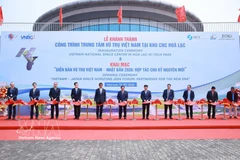
Prime Minister Pham Minh Chinh (C) and delegates cut a ribbon to innaugurate the Vietnam National Space Centre (VNSC) at Hoa Lac Hi-Tech Park in Hanoi on March 13 (Photo: VNA)

PM calls for accelerated space technology development in Vietnam

Vietnam aims by 2030 to achieve a mid-level position in space science and technology development within Southeast Asia, and after 2030 to build national capabilities to independently develop satellite technologies and apply space data to address global challenges and national security needs.

Students control robots at the FPT Schools AI & Robotics Challenge (Photo: VNA)

National AI ethics framework issued to guide safe, responsible rollout

According to the circular taking effect on March 10, the framework imposes specific obligations on entities and individuals involved in AI activities. In particular, the AI use must ensure safety, reliability, while preventing harm to human life, health, dignity, honour, and mental well-being.

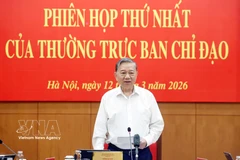
Party General Secretary To Lam speaks at the first meeting in 2026 of the Central Steering Committee for the Development of Science, Technology, Innovation and Digital Transformation on March 12. (Photo: VNA)

Party chief urges stronger, result-oriented implementation of Resolution 57

Turning science, technology, innovation and digital transformation into the main drivers of a new growth model requires substantial efforts. In the coming period, the focus must shift from merely carrying out tasks to delivering tangible and measurable outcomes, while concentrating resources on addressing strategic national challenges, said Party General Secretary To Lam.