Hanoi (VNA) – Moving beyond traditional volunteer activities, Vietnamese youth are increasingly affirming their role in national digital transformation through practical, community-based initiatives.
From youth-developed digital maps to heritage digitisation projects, technology is being applied in accessible and effective ways, generating tangible social value while contributing to the implementation of the Politburo’s Resolution No. 57-NQ/TW on science, technology, innovation and national digital transformation.
Digital transformation rooted in local realities
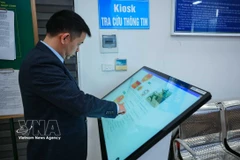
In the central province of Quang Tri, digital transformation began with a practical need to help residents access updated administrative information following local administrative restructuring. Instead of hiring costly technology services, local youth proactively built a digital database using available resources.
Through a digital data competition, all grassroots Youth Union units produced videos introducing local geography, culture and development orientations. More than 80 products were integrated into a shared digital mapping platform known as “Quang Tri on the map,” created largely through socialised resources with minimal public funding while serving both information access and local promotion purposes.
In northern Ninh Binh province, digital transformation has focused on digitising historical and cultural sites, particularly revolutionary heritage locations. Through QR codes, visitors can access detailed information via mobile devices. To date, 228 sites have been digitised with investment exceeding 5 billion VND (189,800 USD) incorporating technologies such as VR360, 3D visualisation and virtual tours to enhance visitor experience.

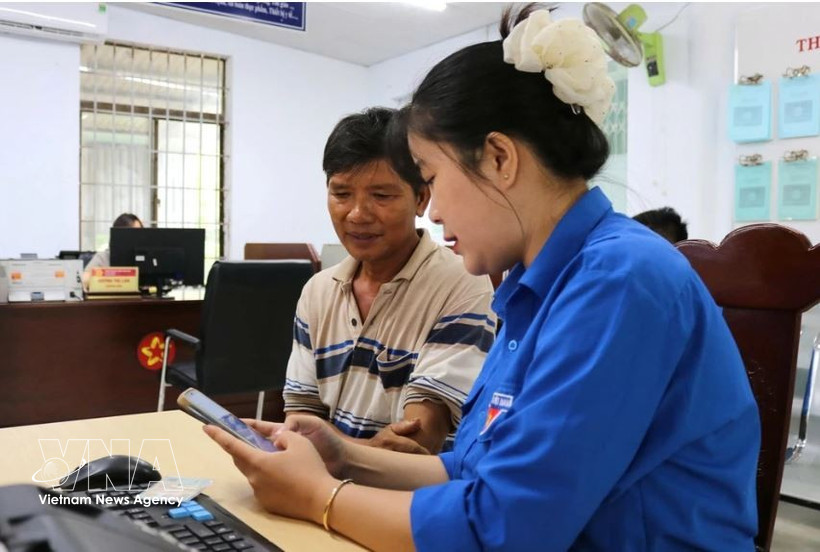
Youth volunteers have also supported digital governance, with 130 teams assisting the operation of the two-tier local government model and online public services, helping more than 110,000 residents. Meanwhile, 2,380 community digital technology groups have supported over 1.2 million people in accessing digital platforms and public services.
Towards generation of digital citizens
The “Creative Youth” movement continued to expand in 2025, with more than 12,000 initiatives supported for implementation, many addressing practical challenges linked to digital transformation. Innovation forums, science-technology competitions and training programmes have helped young people develop digital skills, creativity and research capacity.
Large-scale technology competitions and innovation platforms have fostered talent discovery while expanding digital literacy beyond specialised groups through creative spaces in schools and community initiatives.
To support the operation of the two-tier local government system, nearly 48,928 volunteer teams with more than 619,000 participants assisted administrative procedures for over 5.1 million citizens nationwide between July and September 2025.
According to First Secretary of the Ho Chi Minh Communist Youth Union Central Committee Bui Quang Huy, today’s youth represent a generation of “digital citizens” shaped by scientific and technological advancement, demonstrating creativity, adaptability and strong commitment to national development.
In the coming period, youth organisations will prioritise enhancing digital capacity through modern training programmes covering artificial intelligence, big data and innovation skills, alongside nationwide digital literacy initiatives targeting universal digital competence among young people by 2030.
As digital transformation accelerates across sectors, the formation of a generation of digital citizens is gradually becoming a reality. With creativity, initiative and rapid adaptability, Vietnamese youth are turning policy directions into concrete actions and practical benefits for society, demonstrating that technology is not merely a tool, but increasingly a new language through which young people connect, innovate and contribute to the country’s development./.