Hanoi (VNA) – Vietnam has made significant strides in medicinal plant genetic resources and developing herbal cultivation areas, with nationwide surveys documenting more than 5,000 medicinal plant species and hundreds of valuable genetic resources.
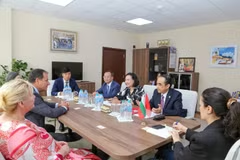
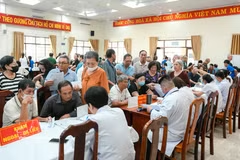
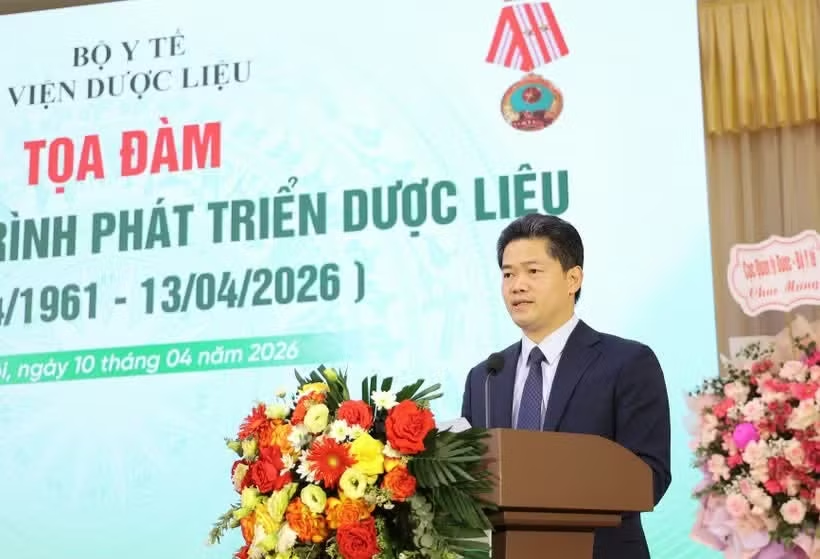
Speaking at a symposium marking the 65th traditional day of the National Institute of Medicinal Materials (NIMM), Permanent Deputy Minister of Health Vu Manh Ha highlighted the institute’s pivotal role in safeguarding the country’s biological resources and advancing scientific research in the medicinal herb sector.
Over the past six decades, the institute has carried out extensive surveys, collection programmes, conservation initiatives and development projects involving numerous rare and valuable medicinal plant genetic resources, contributing to preserving Vietnam’s rich biodiversity.
The institute has also placed increasing emphasis on the standardisation of medicinal materials, database development, quality testing and certification, helping enhance both the quality and market value of Vietnamese herbal products.
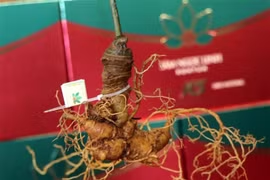
According to Ha, the nationwide inventory of medicinal resources has recorded over 5,000 medicinal plant species. Hundreds of rare genetic resources have been preserved, laying the groundwork for a national database on medicinal plants.
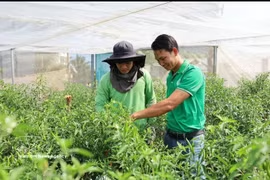
Alongside conservation efforts, the institute has restored indigenous varieties and introduced, acclimatised and evaluated dozens of medicinal plant species with high economic potential. Nearly 100 cultivation and propagation protocols have been issued in accordance with the World Health Organisation’s Good Agricultural and Collection Practices (GACP-WHO) standards. Technical know-how has also been transferred to localities across the country, contributing to the establishment of herbal cultivation zones.
Particularly noteworthy has been the institute’s work in documenting traditional knowledge on medicinal plant use among ethnic minority communities, including the Thai, Mong, Muong, Dao, Jrai and Khmer people. These activities have helped preserve invaluable traditional medical knowledge passed down through generations.
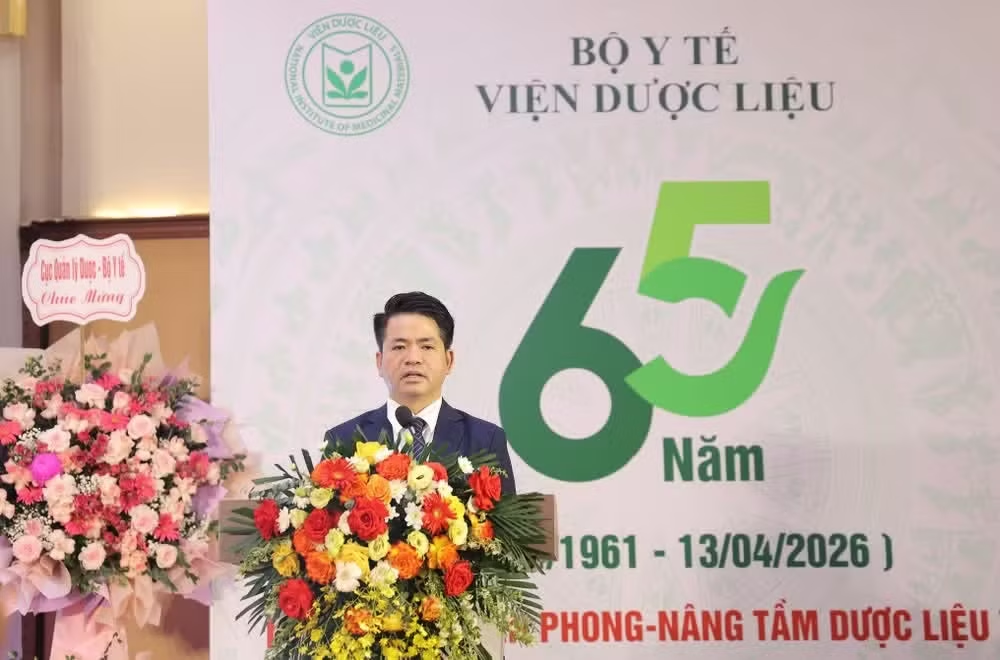
Dr. Tran Minh Ngoc, Director of the National Institute of Medicinal Materials, said the institute has built a research system covering the entire medicinal herb value chain. It includes resource surveys and genetic conservation to plant breeding, cultivation area development, quality standardisation, phytochemical studies, extraction technologies, biological activity assessment and product formulation.
Many valuable medicinal plants, including Ligusticum wallichii, Angelica sinensis, Platycodon grandiflorus, Rehmannia glutinosa, Salvia miltiorrhiza and Scutellaria baicalensis, have been successfully introduced and cultivated in Vietnam, helping secure domestic sources of pharmaceutical raw materials.
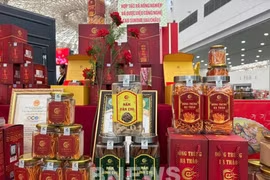
Research outcomes have also been translated into practical healthcare products, including supplements supporting memory enhancement, papaya leaf preparations for platelet support, liver-protection products derived from Schisandra chinensis and Phyllanthus niruri, as well as modernised formulations based on traditional remedies.
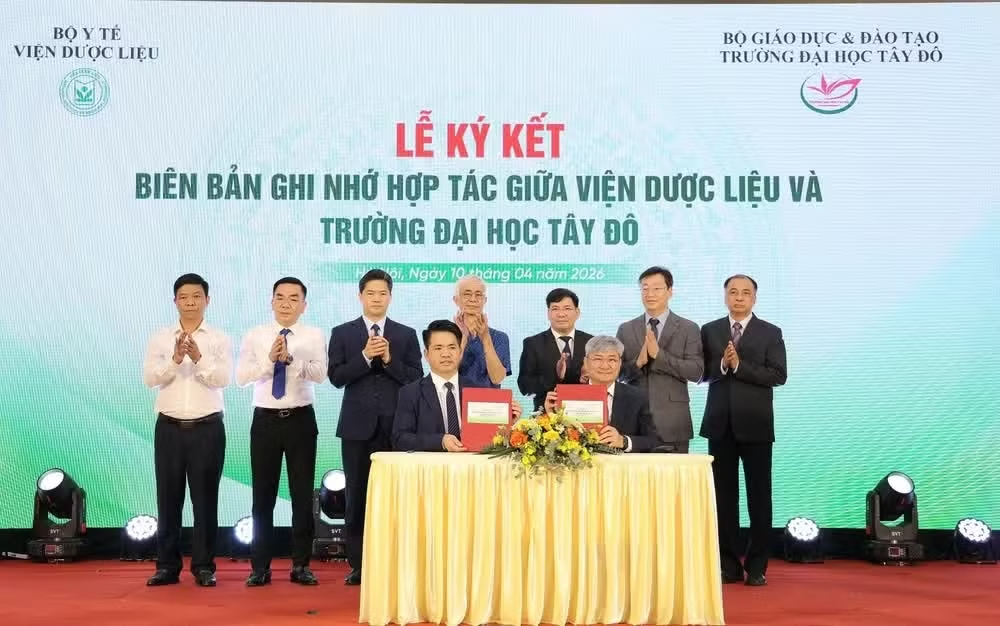
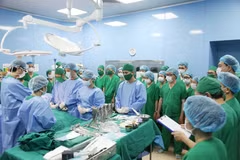
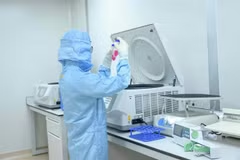
In recent years, the institute has benefited from significant investments in modern laboratories specialising in quality analysis, pharmacology, pharmaceutical formulation and biotechnology.
To promote its role, Deputy Minister Ha called on the institute to strengthen scientific research capacity, promote innovation and digital transformation, and expand interdisciplinary studies integrating traditional medicine with modern biotechnology and pharmaceuticals. He also stressed the importance of accelerating technology transfer and commercialisation of research results to ensure scientific achievements serve both businesses and the public.
The institute was urged to continue protecting national medicinal resources, develop standardised cultivation areas linked to regional planning, foster stronger cooperation among research institutes, universities, enterprises and local authorities, and expand international partnerships to enhance research capacity and global integration./.