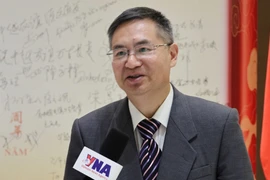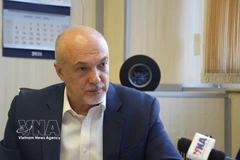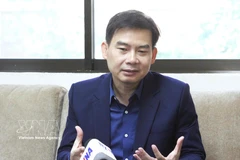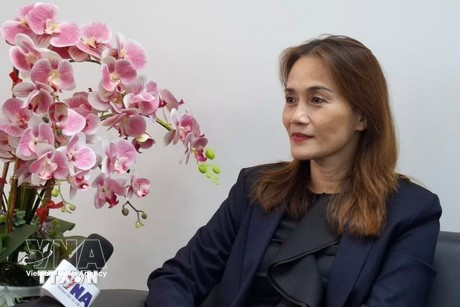
Kuala Lumpur (VNA) – Vice President of the Vietnam – Malaysia Business Association Nguyen Thi Thanh Van has spotlighted reform successes of the outgoing National Assembly (NA) while voicing hope for a more streamlined and effective leadership apparatus in the coming years.
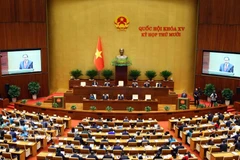
Commenting on the performance of the 15th NA and People’s Councils at all levels during the 2021–2026 term, Van credited the legislature with flexibility and resolve in tackling unprecedented challenges. It adopted a number of breakthrough policies, notably Resolution 30/2021/QH15 from its first session, which created an important legal basis for Vietnam to overcome the COVID-19 pandemic and hasten economic rebound.
She pointed to a fundamental shift in legislative mindset, from regulatory control toward development facilitation, focusing on dismantling institutional bottlenecks. The NA convened several extraordinary sessions to promptly address urgent national issues. Procedural innovations accelerated settlement of legal hurdles, allowing policies be adopted sooner instead of waiting for regular sessions. Concurrently, aggressive digitalisation, encompassing online meetings and paperless sessions, showed an image of a modern, citizen-centric, and results-driven body.
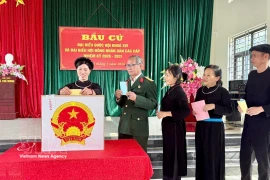
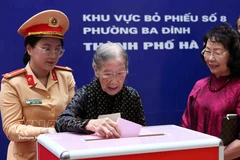
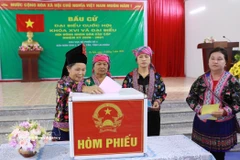
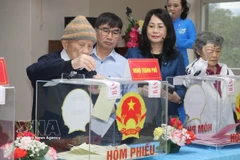
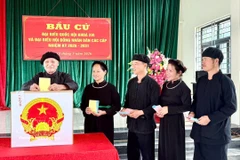
She noted that the March 15 election carries pivotal significance and represents a key link toward a revamped national governance model. Early reshuffling of personnel will shorten the transition period, ensuring leadership stability and allowing the country to focus intellectual resources on strategic decision-making from the new term’s outset.
Amid state apparatus streamlining, the election also affords a chance to select capable representatives who can shoulder multiple responsibilities under a two-tier local administration model.
Such changes, she argued, will form an important groundwork to slash red tape, unlock resources for key projects, and seize growth opportunities for the next phase.
Turning to the incoming term, Van expressed expectations regarding the competence and mettle of elected deputies. In her view, they must not only possess strategic thinking to translate the 14th National Party Congress’s Resolution into concrete laws and local policies, but also command digital tools to thrive in a streamlined administration system.
Voters and the business community demand above all a unified, forward-looking legal framework, which resolves near-term frictions while anchoring sustained progress, she said, urging deputies to sustain their role as an effective bridge between constituents and authorities, converting grassroots input into meaningful policies.
At the same time, they must uphold their oversight role in a substantive manner, particularly regarding key livelihood issues such as environment, health care and education. Doing so, she said, will bolster governance effectiveness and better meet public expectations as the country enters a new development stage./.