Los Angeles (VNS/VNA) – The Vietnam Film Development Association (VFDA) has organised a series of events in Los Angeles, the US, to promote the production collaboration between Vietnam and Hollywood.
These events were part of a programme celebrating the 30th anniversary of diplomatic relations between Vietnam and the US, aiming to enhance connections, expand international collaboration, and promote the Vietnamese film industry.
Ngo Phuong Lan, Chairwoman of the VFDA and former director of the Department of Cinema, led the VFDA delegation.
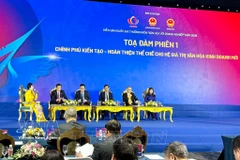
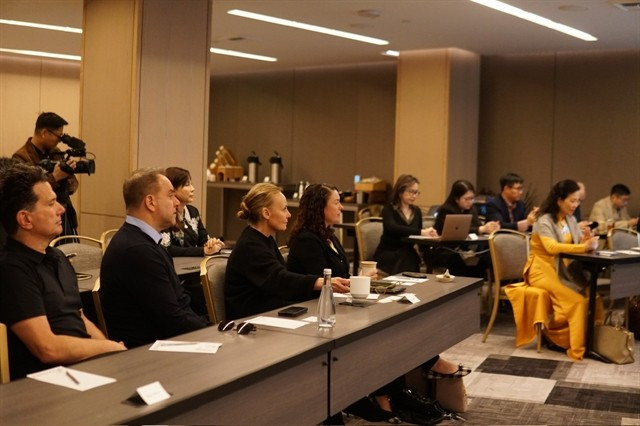
Vietnam-US film production cooperation roundtable
Vietnamese delegates, along with representatives from studios, film production companies, and organisations interested in the Vietnamese market, jointly discussed opportunities for the two countries’ collaboration in film production.
The conversation focused on leveraging the advantages of Vietnam's landscapes, government support policies, and the potential for developing the post-production industry.
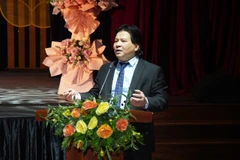
Hoang Anh Tuan, Vietnamese Consul General in San Francisco, remarked that the Vietnamese Government is committed to creating the most favourable conditions to attract film projects and is eager to listen to feedback from US partners on the key factors that can help Vietnam become a global film production hub.
He said: "We want to hear from filmmakers: What makes a location attractive? What does Vietnam need to do to better meet the needs of studios? Whether it's blockbuster films set in majestic landscapes or emotionally rich stories exploring cultural depth, we are always ready to collaborate to turn these ideas into reality."
Lan said: "Vietnam has unique natural landscapes, a rich cultural heritage, and a talented workforce. However, since Kong: Skull Island, Vietnam has yet to attract more large-scale projects from Hollywood. This time, the VFDA aims to bridge the gap between local and international filmmakers, connecting them with localities to promote film production in Vietnam."
US producers and investors expressed concerns about the factors that Vietnam needs to improve in order to attract more large-scale projects.
Producer Matt Del Piano expressed concerns about Vietnam's ability to meet international film industry standards, as well as film training.
Producer Adam Schroeder raised interest in financial incentives, taxes, infrastructure, and production processes.
Lan emphasised that Vietnam has a wealth of young talent and a well-established training system, including specialised universities and short-term courses with the participation of international experts.
She also mentioned that Vietnam has improved its licensing process, with many provinces joining the Film Attraction Index (PAI) and offering competitive rates, and although local studios aren't up to Hollywood standards yet, Vietnam's unique natural filming locations are a big advantage.
Lan acknowledged that while Vietnamese films are popular domestically, the international market still presents challenges. However, recently, some Vietnamese films have been screened in the US, helping to increase the market share of Vietnamese films from 30% to 44%.
She believed that with production collaboration between Vietnam and Hollywood, this number will continue to grow, opening up great opportunities for Vietnamese cinema to expand globally.
"Vietnamese cinema not only aims to attract international projects but also must create films with global appeal. Collaboration with Hollywood will help improve skills, expand markets, and take Vietnamese cinema further," she said.
Cooperation with Sony Pictures
The VFDA delegation also met with Sony Pictures to discuss opportunities for film production cooperation in Vietnam.
Sanford Panitch, President of Sony Pictures Motion Picture Group, expressed interest in Vietnam's potential but emphasised that financial incentives, the capability of local film crews, and film censorship procedures will be crucial factors for Hollywood to consider investing.
Lan said that while waiting for the Vietnamese Government to issue specific regulations on financial incentives for foreign films, the VFDA can act as a bridge with localities to find incentive packages and provide advice to ensure film projects comply with regulations while meeting the financial requirements of Sony Pictures.
The discussion in Los Angeles and the meeting with Sony Pictures represent a significant milestone in efforts to position Vietnam as a key destination for the global film industry. Through such conversations, the VFDA aims to encourage real collaboration and facilitate international film projects in Vietnam./.
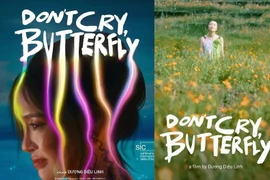
“Don’t cry, Butterfly” wins hearts, opens Vietnamese Film Days in US
“Mua tren canh buom” (Don’t cry, Butterfly) garnered accolades at the 2024 Venice International Film Festival and won the MPA’s coveted Best Screenplay award in 2019.