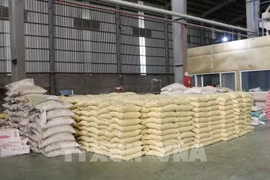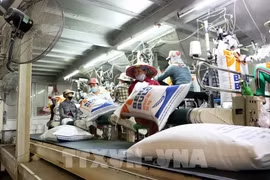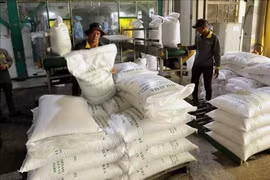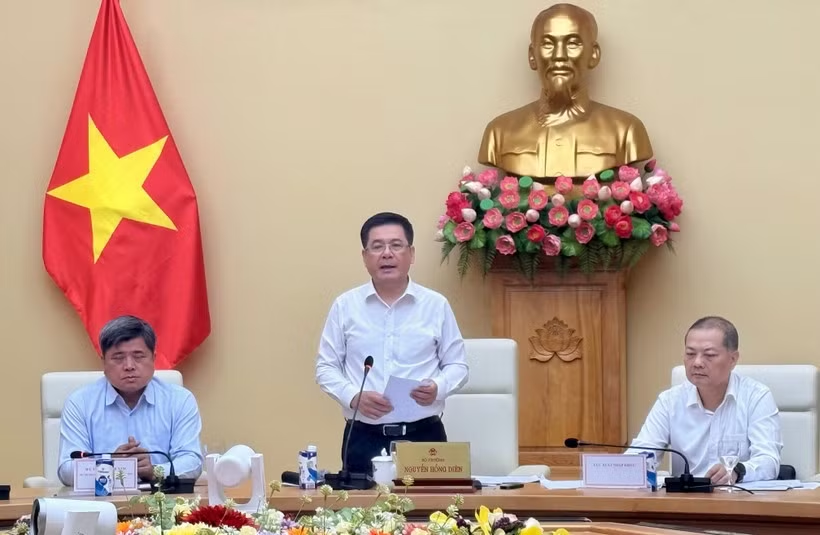
Hanoi (VNA) – Despite the temporary import suspension by some key markets like Indonesia and the Philippines, Vietnam’s rice exports remain stable, and many markets’ demand is expected to recover by the end of this year, according to Minister of Industry and Trade Nguyen Hong Dien.
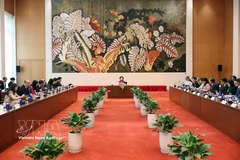
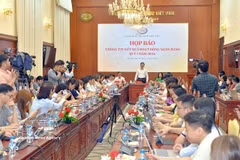
Dien made the statement at a conference held by the Ministry of Industry and Trade on September 10 to promote rice production and export, and stabilise the rice market. The goal is to implement the Prime Minister’s Official Dispatch No. 160/CD-TTg, dated September 9, 2025, regarding the enhancement of measures to boost production and export activities, and stabilise the market.
At the event, representatives from associations and major rice exporters shared the challenges they face in production, business, and export activities, helping relevant units from the Ministry of Industry and Trade compile and submit reports to higher authorities for consideration and resolution, ensuring balanced interests among the State, businesses, and citizens.
Representatives from several Vietnamese trade offices abroad also highlighted the potential of emerging markets such as Senegal and Bangladesh, suggesting businesses seize opportunities to diversify markets.
Deputy Minister of Agriculture and Rural Development Tran Thanh Nam stated that the overarching goal of the agricultural sector is to maintain both domestic food security and export value, especially when some major markets halted imports on September 1.

Nam emphasised that solutions include strengthening production linkages, and implementing the project on sustainably developing 1 million hectares of high-quality and low-emission rice cultivation, which has already yielded positive results. Through 11 pilot models, the project has increased productivity as much as 50% and cut costs by 20–30%. This helps businesses and farmers maintain profitability even when market prices fluctuate. The project will be reviewed and continue to be expanded in the time ahead.
This advanced production model is also attracting significant interest from international partners, and may contribute to enhancing the reputation of Vietnamese rice, currently present in over 80 countries.
The quality of Vietnamese grains has won high evaluation from Australia, demonstrating that market expansion potential does not rely solely on traditional countries. Many African nations have also expressed interest in importing Vietnamese rice in the near future.
Based on this, the deputy minister requested Vietnamese trade counsellors abroad strengthen connections and provide market information so that domestic businesses can develop appropriate export strategies.
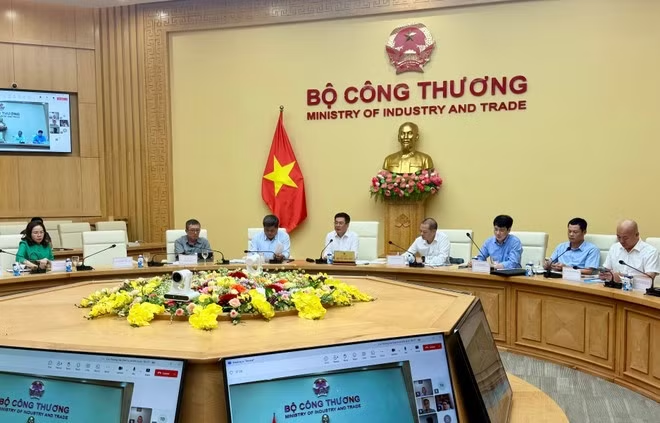
At the conference, Minister Dien said that the goal of exporting 8 million tonnes of rice this year is reachable as the country has shipped around 6.3 million tonnes abroad since the beginning of this year, up 2% year-on-year.
However, he emphasised that complacency must be avoided, noting that it is essential to diversify markets and products, increase the value of Vietnamese rice, and promote the brand and quality.
He urged agencies to step up negotiations, sign new or upgrade existing rice trading agreements, especially with potential markets or those Vietnam has a free trade agreement (FTA) with. They should guide localities in planning cultivation zones, applying green technologies, and adopting clean production processes. Further efforts include building brands, ensuring traceability, and accelerating the implementation on the 1 million hectares of low-emission and high-quality rice project.
To support businesses, the official requested the Ministry of Finance and the State Bank of Vietnam to accelerate VAT refunds for rice exporters, and simplify customs procedures during periods of increased import demand. They should also consider raising credit limits, provide timely capital for businesses to purchase and temporarily store rice, and also consider increasing the national reserves in the short term.
In addition, Dien emphasised the need to propose the Government and the National Assembly promptly review the proposals to amend the Value-Added Tax Law, introduce preferential credit mechanisms, and subsidise warehousing and logistics to help businesses expand rice purchase, storage, and export./.