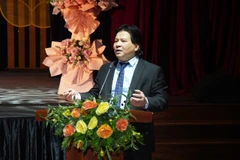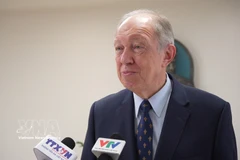
Quang Ninh (VNA) - UNESCO-recognised heritage sites open up opportunities for the development of Quang Ninh’s tourism, services, and culture, contributing to attracting high-quality visitors and creating potential for international cooperation in investment, research, education, and conservation, according to Director of the northern province’s Department of Culture, Sports and Tourism Nguyen Viet Dung.
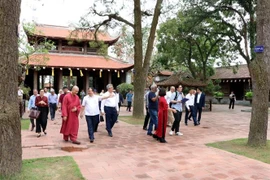
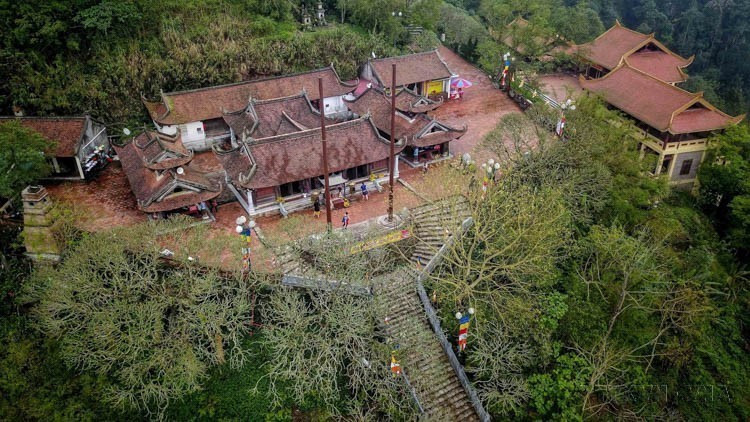
On July 12 (Paris time), at the 47th Session of the World Heritage Committee of the United Nations Educational, Scientific and Cultural Organisation (UNESCO), the Yen Tu - Vinh Nghiem - Con Son, Kiep Bac Relics and Landscape Complex was recognised as a World Culture Heritage site, marking the second of its kind co-owned by Quang Ninh, after Ha Long Bay - Cat Ba Archipelago.
In an interview granted to the Vietnam News Agency, Dung said Quang Ninh's co-possession of these two World Heritage sites is a great honour and also a strategic opportunity for the sustainable socio-economic development of the province, helping the locality affirm and strengthen its position on the international cultural and natural tourism map.
The World Cultural Heritage title serves as a "soft" resource to inspire and awaken pride, responsibility, and collective action from society in preserving cultural identities, creating sustainability for the future, he affirmed.
With this advantage, Quang Ninh identifies the development of “heritage economy” as a strategic direction for sustainable socio-economic development, Dung stated, affirming that the province does not approach heritage merely as a tourism resource, but as a unique cultural asset that holds economic value and serves as a pillar in building identity, trust, and human development.
Therefore, the province is implementing specific solutions such as improving institutional management, preserving and promoting heritage values based on the principles of maintaining authenticity, ensuring sustainability, and promoting balanced and controlled development.
Quang Ninh will invest in infrastructure to effectively connect heritage areas, and ensure harmony in landscapes, ecology, culture, and experience. The goal is not to urbanise heritage, but to modernise the way the locality responsibly access and engage with them, he shared.
In addition, efforts will be made to develop heritage-based creative economic models, such as cultural and spiritual tourism at Yen Tu, OCOP (One Commune One Product) products linked to traditional craft villages, meditation and Truc Lam Buddhist services, and heritage education in schools. At the same time, it will promote public-private partnerships, regional and international collaboration in the preservation and exploitation of heritage according to UNESCO standards, with the active participation of the local community.
As the pressure of economic and tourism development may lead to the risk of harming or "commercialising" heritage if not properly managed, Quang Ninh consistently upholds the view that development must go hand in hand with preservation.
All restoration, enhancement, and value promotion activities within the core and buffer zones of the heritage sites are carefully evaluated to ensure compliance with cultural heritage laws and the 1972 UNESCO Convention concerning the Protection of World Cultural and Natural Heritage.
Furthermore, the province will focus on raising community awareness, especially among people living in heritage areas, said Dung.
The official also affirmed that protecting and promoting World Heritage is not only the responsibility of a single sector or locality, but of the entire region, the nation, and the current and future generations./.

Yen Tu – Vinh Nghiem – Con Son, Kiep Bac Monuments and Scenic Landscape Complex recognised as World Heritage
Vietnam’s Yen Tu – Vinh Nghiem – Con Son, Kiep Bac Monuments and Scenic Landscape Complex has been officially inscribed on the UNESCO World Heritage List at the 47th session of the UNESCO World Heritage Committee held recently in France. This marks Vietnam’s 9th World Heritage site recognised by UNESCO and the second trans-provincial heritage site, following Ha Long Bay – Cat Ba Archipelago (which spans Quang Ninh Province and Hai Phong City).