Bac Ninh promotes UNESCO-recognised Then singing heritage

In 2019, the practice of Then in several provinces, including Bac Ninh, was inscribed by UNESCO on the Representative List of the Intangible Cultural Heritage of Humanity. Following this recognition, Bac Ninh rolled out comprehensive measures, including a master plan on safeguarding ethnic cultural heritage through 2030.

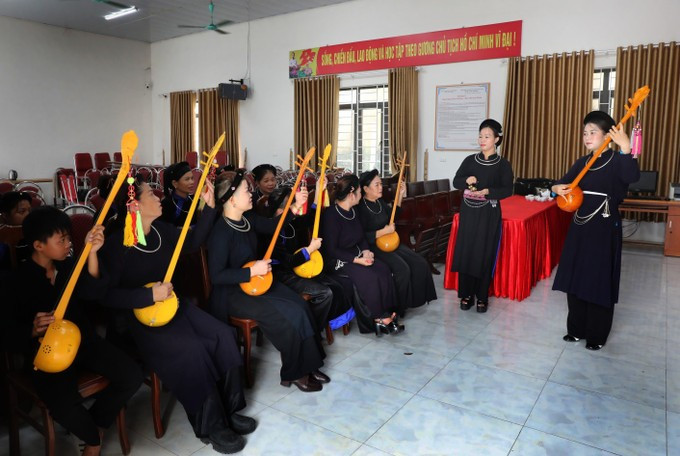
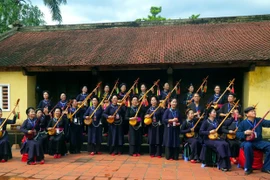
Members of the Luc Ngan Then singing and dan tinh (a traditional stringed instrument) club in Luc Ngan commune, Bac Ninh province, gather every Sunday afternoon (Photo: VNA)

Bac Ninh (VNA) – Bac Ninh is home to the practice of Then singing, a traditional folk art form of the Tay, Nung and Thai ethnic groups, inscribed by UNESCO on the Representative List of the Intangible Cultural Heritage of Humanity. In this land rich in cultural traditions, Then has been embraced by the community as a cherished cultural expression, enriching the province’s diverse heritage.

Breathing new life into Then

For the Tay and Nung ethnic groups in Bac Ninh, Then has long been a familiar spiritual and cultural practice, closely tied to community life. It is categorised into two forms: ritualistic Then, which preserves traditional spiritual elements, and recreational Then, adapted for artistic and cultural purposes.

Every Sunday afternoon, members of the Luc Ngan Then singing and dan tinh (a traditional stringed instrument) club gather at Cau Chet village’s cultural house. Elderly members guide the young, while experienced singers support newcomers, all sharing the desire to preserve and pass on the melodies of Then.

According to Ha Thi Duong, vice head of the club, it was founded in 2011 by 11 dedicated members concerned about the risk of Then fading away. Today, it has grown to nearly 60 members across three generations. Their activities not only keep Then alive in the community but also bring their melodies to wider audiences through festivals and competitions.

Among the younger members, Duong Thi Men nurtures her passion for Then by self-learning online and attending virtual classes. “Thanks to the club, I can perform, connect with others, and spread love for Then,” she said, adding that it’s both a joy and a source of pride to contribute to preserving this heritage.

Safeguarding and promoting values

Bac Ninh has long prioritised safeguarding intangible cultural heritage, including Then. Since 2004, the provincial cultural sector has conducted surveys, documentation, and inventories, identifying dozens of artisans and hundreds of practitioners. This laid the groundwork for the Ministry of Culture, Sports and Tourism to recognise Then as a national intangible cultural heritage in 2015.
then2.jpg
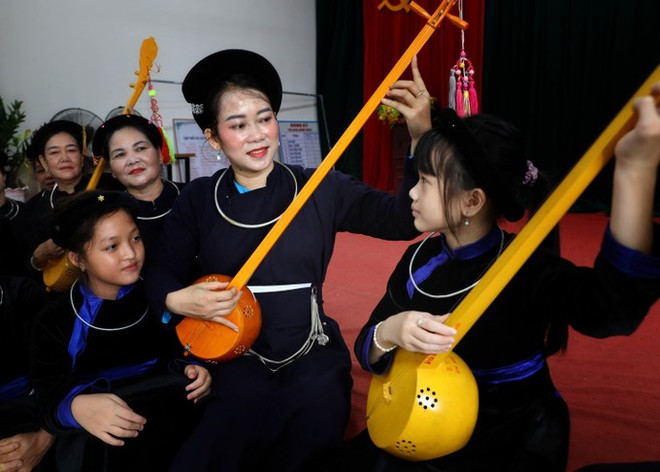
Children learn Then singing and dan tinh (a traditional stringed instrument) at the Then singing and dan tinh club in Luc Ngan commune, Bac Ninh province (Photo: VNA)

In 2019, the practice of Then in several provinces, including Bac Ninh, was inscribed by UNESCO on the Representative List of the Intangible Cultural Heritage of Humanity. Following this recognition, Bac Ninh rolled out comprehensive measures, including a master plan on safeguarding ethnic cultural heritage through 2030.

Training activities have expanded, with dozens of classes attracting nearly 200 learners. Several schools in Son Dong and Luc Ngan have included Then in music lessons and extracurricular activities. The province now has 20 Then clubs that drive community engagement, while performances have been linked with community-based tourism, contributing to improved livelihoods for residents.

Artisans also receive attention and support. Two Then practitioners have been awarded the title of Meritorious Artisan and receive monthly allowances. The provincial Department of Culture is drafting resolutions to preserve the heritage as well as provide financial assistance to artisans and clubs involved in UNESCO-recognised practices.

Nguyen Van Dap, Deputy Director of the provincial Department of Culture, Sports and Tourism, stressed that preserving Then requires collective efforts. The province is expanding clubs, encouraging schools to include Then in their extracurricular activities, and integrating the heritage with tourism products, he stated. The locality is promoting the application of technology, digitising documents, and producing videos and clips to introduce Then singing on social media platforms.

He underlined that Bac Ninh will continue to strengthen heritage management, comply with international conventions and national laws to ensure Then remains a living and sustainable cultural treasure./.

VNA

See more

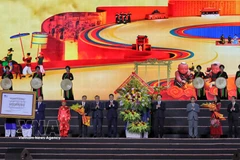
Politburo member, Secretary of the Party Central Committee and Chairman of its Commission for Inspection Tran Sy Thanh; and Deputy Prime Minister Mai Van Chinh congratulate Bac Ninh province. (Photo: VNA)

Ceremony marks UNESCO recognition of Dong Ho prints, Yen Tu complex

Bac Ninh–Kinh Bac is a land rich in historical depth and cultural heritage. Over centuries, it has nurtured a diverse cultural legacy integral to Vietnam’s identity. While Quan ho (love duet) folk singing symbolises the soul of the region, Dong Ho folk folk woodblock printings stands as a unique artistic heritage reflecting Vietnamese creativity and aesthetics.

The Vietnam Sports Economy Summit 2026 (VSES 2026) opens in Hanoi on March 27. (Photo: VNA)

Vietnam Sports Economy Summit 2026 explores pathways to new sector

For years, sports in Vietnam has been viewed mainly through the lens of elite performance and mass participation. However, global trends show that sports has evolved into a large-scale economic sector linked with media, tourism, sponsorship, event organisation, technology and consumer markets.

Young participants from India, Indonesia and Russia learn about the traditional pot-breaking game. (Photo: VNA)

Vietnamese culture showcased in colourful festival in Russia

Although the Vietnamese student community in Tomsk numbers only about 60 members, the event offered a rich and comprehensive cultural experience, demonstrating strong unity and pride in national identity. Beyond celebrating heritage, the festival served as a cultural bridge connecting Vietnam with international friends in Western Siberia.

The Con Dao delicacies booth draws strong interest from visitors. (Photo: VNA)

Vietnamese cuisine takes centre stage in global culinary showcase

Running from March 26 to 29, the event also highlights a series of key activities, including the honouring of 10 chefs behind signature regional dishes, recognition of 10 standout mixologists, and a Top 10 contest for the most dynamic and creatively designed booths.

Hue to offer immersive night tour of imperial heritage

Hue to offer immersive night tour of imperial heritage

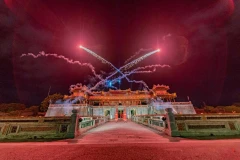
Elaborately staged, the programme vividly recreates the royal court at night through a series of artistic performances and immersive experiences. It opens with a guard-changing ceremony at Ngo Mon (Noon Gate), combined with cannon-fire effects to mark the opening of the palace.

The dribble and clinical finish by Hai Long to score. (Photo: VNA)

Vietnam beat Bangladesh 3-0 in international friendly match

The hosts came out on the front foot, pressing high and pinning Bangladesh deep in their own half from the opening whistle. The breakthrough arrived in the eighth minute when Tien Anh whipped in a corner and Tuan Hai finished from a close range to open the scoring.

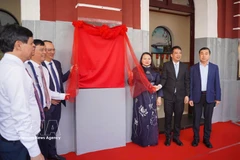
Delegates perform the ceremony to officially declare Hue Railway Station a tourist destination (Photo: VNA)

Heritage values maximised on central train journey

The Hue–Da Nang route is positioned not merely as transportation but as a cultural journey along one of central Vietnam’s most scenic corridors. With comprehensive upgrades, the “Central Heritage Connection Journey” is expected to become a must-experience tourism product in 2026.

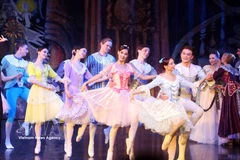
The artists perform the ballet "The Nutcracker" at Ho Guom Opera House on March 25 (Photo: VNA)

Russian classic ballet enchants Hanoi audiences

From the opening scenes, the auditorium was transformed into a fairytale world, enhanced by elaborate staging and the timeless music of Pyotr Ilyich Tchaikovsky, including “Dance of the Sugar Plum Fairy” and “Waltz of the Flowers”. Technically demanding sequences such as leaps and pas de deux captivated the audience with their precision, harmony and expressive coordination.