Hanoi (VNA) – The Vietnamese Ministry of Agriculture and Environment has urged chairpersons of People’s Committees in coastal cities and provinces with fishing fleets to strengthen oversight of vessels and fishing activities, and to enhance the traceability of seafood catches.
Local authorities must review their vessel records and cross-check them against the national fisheries database, known as VNFishbase. Information on vessel registration, technical inspections, fishing licenses, vessel monitoring systems (VMS), and each boat’s operating status must be updated fully, promptly and accurately.
Officials must sort vessels into clear categories: those eligible to operate, those that fail operating requirements, inactive boats, deregistered vessels and other groups requiring management under regulations.
Localities must also assign specific agencies, units and individuals to oversee each group of vessels, pinpoint why data is missing, inaccurate or inconsistent, and fix it. Updates and corrections must rest on lawful records and documents, keeping local files consistent with VNFishbase and allowing the information to be verified, cross-checked, and retrieved for fisheries management and monitoring.
On licensing, cities and provinces must urgently review and classify vessels that have no fishing licence, hold expired licences, or have license details that don’t match management records. Owners must be guided in completing their paperwork, and local administrative procedures must be processed promptly and in line with regulations.
Vessels that don’t qualify for licences must be kept under strict supervision to stop them from continuing to fish in violation of the law.
License procedures must follow the documentation, processes, eligibility conditions and jurisdiction set out in the Government’s Decree 41/2026/ND-CP, which details certain provisions and enforcement measures under the Law on Fisheries, along with other relevant rules.
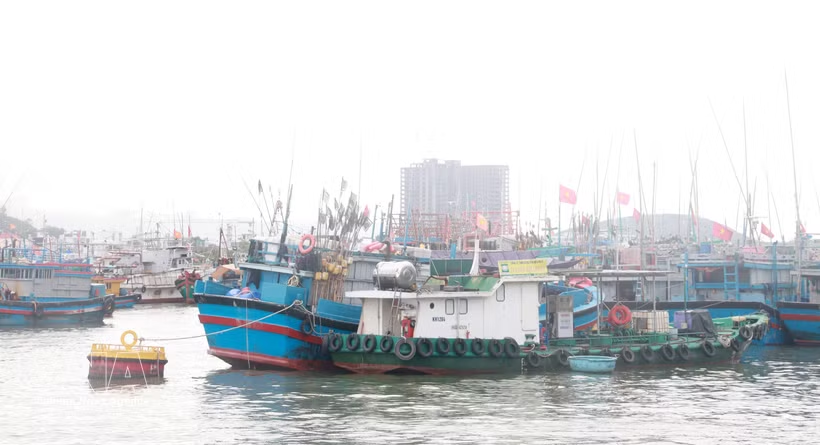
Fishing port management boards, fisheries agencies and local enforcement forces must coordinate to control vessels entering and leaving ports, including checking and cross-referencing vessel information, fishing licences and other details.
They must also work with the Border Guard and other relevant agencies to ensure that data on vessels entering and leaving ports is recorded fully, accurately and consistently.
The ministry assigned other specific tasks as well./.