Hanoi (VNA) – As Vietnam’s population ages rapidly and traditional family structures change, expanding community-based and daytime healthcare services is emerging as a practical solution to help meet the growing health and social care needs of older people.
Vietnam officially entered the “ageing population” phase in 2011, when people aged 60 and above accounted for more than 10% of the population, and is projected to become an “aged society” by 2036. While it took developed countries 50–120 years to adapt to population ageing, Vietnam is expected to complete the transition in about 25 years.
Nguyen Lam, Vice Chairman of the Vietnam Association of the Elderly, said population ageing is an inevitable and irreversible global trend in the 21st century. For a developing country entering the ageing phase while average incomes remain modest, the pressure is particularly significant, requiring concerted efforts from the entire political system and society, as well as expanded international cooperation.
Traditional multigenerational families are also becoming less common. About 29.3% of older people now live alone or only with an elderly spouse, while 95% suffer from at least one chronic disease and many have multiple health conditions.
Despite rising demand for support, the current supply of elderly care services remains limited. More than 400 public social assistance facilities meet only about 0.05% of older people’s needs, mainly serving those in particularly difficult circumstances. Private nursing homes remain limited and concentrated in major cities, with monthly fees commonly ranging from 10–25 million VND. Medical expenses for older people are estimated to be 7–10 times higher than for younger people.
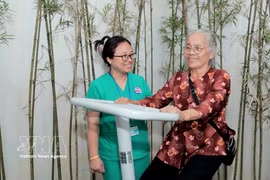
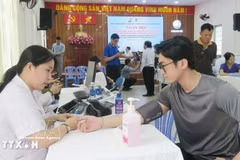
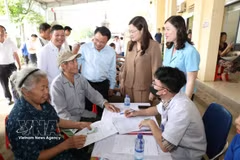
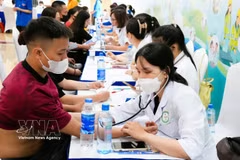
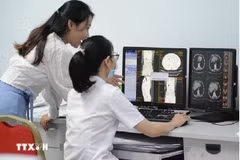
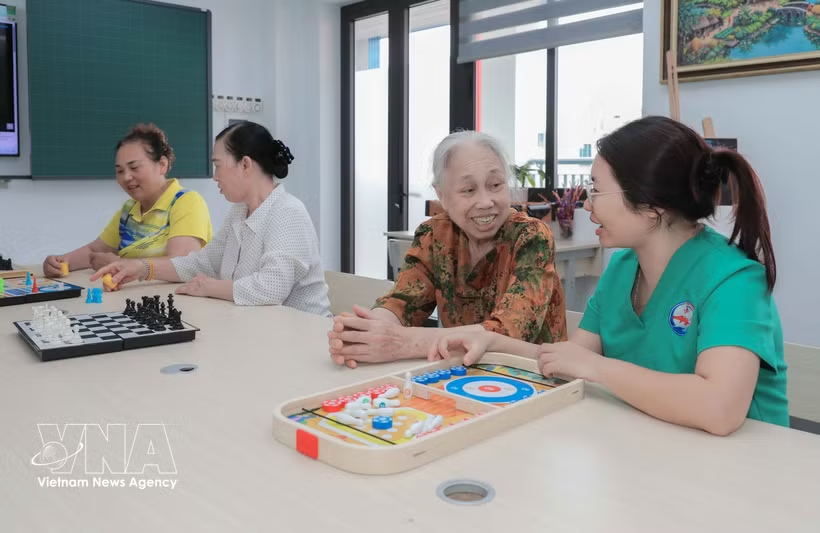
Expanding community-based and daytime healthcare services is emerging as a practical solution to help meet the growing health and social care needs of older people. (Photo: VNA)
Assoc. Prof. Dr Tran Viet Luc, Deputy Director of the National Geriatric Hospital and Vice Chairman of the Vietnam Association of Geriatrics, cited a survey as showing that Vietnamese older people have an average of six to seven diseases or disorders simultaneously, making diagnosis and treatment more complicated. Multiple medication use also increases the risk of adverse events.
He stressed that geriatric care must go beyond treating acute illnesses to include rehabilitation, occupational therapy, nutrition and self-care guidance, helping older people maintain independence and quality of life.
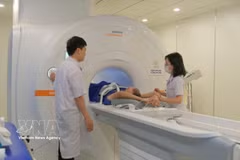
To meet these needs, Luc called for stronger specialised geriatric healthcare networks, including provincial-level geriatric hospitals, specialised clinics and mobile geriatric teams. Primary healthcare should also be strengthened through regular health monitoring, early detection of disability risks and guidance on safe medication use.
He also recommended expanding geriatric training at medical universities and providing formal training for doctors, nurses, social workers and home caregivers.
Research, international cooperation and public awareness campaigns on healthy diets, physical activity and chronic disease prevention should also be promoted, Luc stressed.
According to the expert, community-based care should be diversified through medically equipped nursing homes, senior-oriented housing and daytime social care centres. Insurance policies should also be improved to help people cover long-term care costs.
In the long term, the goal is to enable older people to remain at home and in their communities for as long as possible. This requires diversified home-support services, including home nursing, rehabilitation, nutritious meals, cleaning, shopping and hourly care.
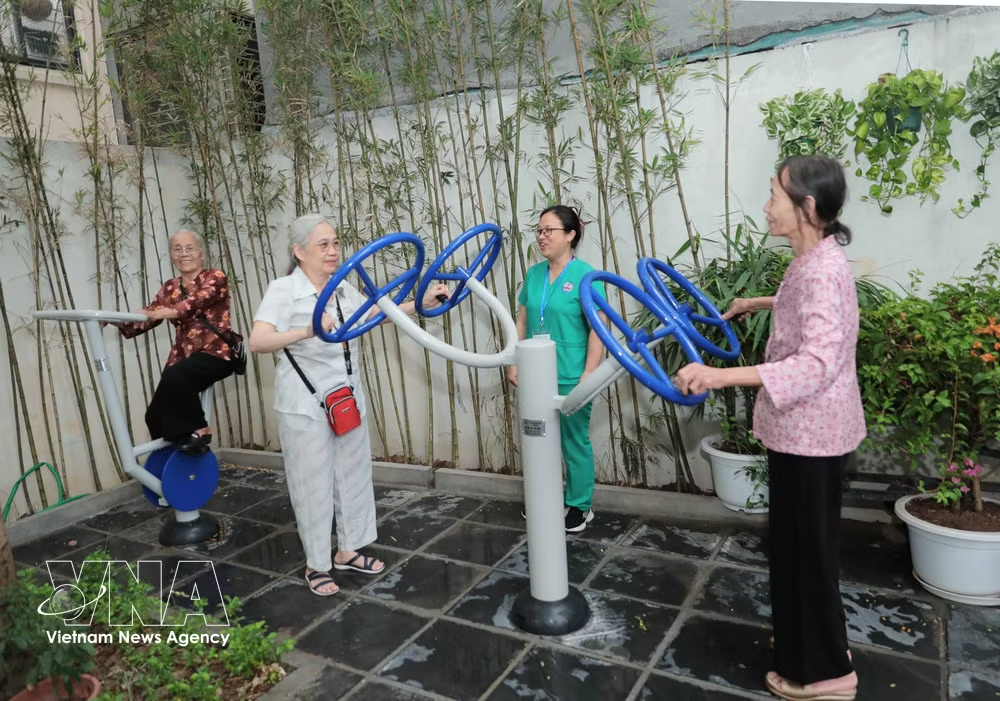
A notable example is Hanoi’s daytime healthcare model, being piloted and expanded in areas including Long Bien, Dong Da, Tay Ho, Quoc Oai, Viet Hung and Phuc Thinh. Following a “come in the morning, return home in the afternoon” approach, the centres provide health monitoring, chronic disease management, nutritional counselling, rehabilitation and cultural activities without overnight accommodation.
The model combines physical and mental healthcare with health record management while encouraging older people to share experience, join community activities and continue contributing to society.
By linking primary healthcare, social workers and families, daytime care can ease pressure on residential facilities and reduce costs. A multi-tiered care system combining specialised healthcare, social welfare and community services will help Vietnam better adapt to population ageing and enable older people to live healthier, more fulfilling lives./.