Hanoi (VNA) – As Vietnam steps up efforts to remove the European Commission’s warning over illegal, unreported and unregulated (IUU) fishing, digital technologies are emerging as both a regulatory necessity and a powerful tool helping fishermen enhance productivity and economic efficiency at sea.
Previously, procedures such as fishing vessel registration and inspection were largely paper-based and time-consuming. Today, digital platforms including Vnfishbase, vessel monitoring systems (VMS), and the electronic catch documentation and traceability system (eCDT) are streamlining administrative processes, enabling fishermen to complete licensing and compliance procedures more quickly and transparently.
The Ministry of Agriculture and Environment has coordinated with relevant ministries, agencies and localities to finalise integrated fisheries data systems, including licensing and registration through the national fisheries database (Vnfishbase), electronic fishing logbooks (elogbook), eCDT, VMS, and digital platforms for handling administrative violations in the fisheries sector.
A major milestone in the sector’s digital transformation is the rollout of the eCDT system, implemented with support from the Military Industry and Telecoms Group (Viettel). Previously reliant on handwritten records prone to errors and difficult verification, fishermen can now log departures, arrivals and catch volumes via a smartphone application with just a few taps. Data are synchronised directly with regulators, strengthening transparency and ensuring compliance with stringent EU traceability standards.
Experts note that the eCDT platform enables authorities to monitor vessel operations, landings and fishing output more effectively while supporting origin verification, a core requirement of modern fisheries governance and international market access.
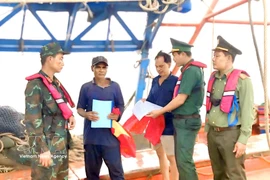
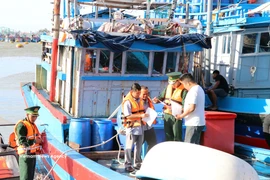
To Huy Hung, owner of fishing vessel NA 92888 TS in Nghe An province, said he initially found the digital system challenging but quickly adapted after guidance from port officials. Electronic declarations, he added, now save significant time compared to traditional paperwork.
Across coastal communities, more fishermen are gradually adopting digital tools, replacing handwritten logs and manual port procedures with smartphone-based operations, even among those previously unfamiliar with technology.
Supporting Vietnam’s efforts to address the EC’s IUU warning, Viettel’s S-Tracking solution has become a key digital platform managing more than 30,000 offshore fishing vessels nationwide. Designed specifically for harsh maritime environments, the system goes beyond standard positioning devices to provide integrated monitoring and safety functions, making it an indispensable tool for modern fishing operations.
By combining Iridium satellite connectivity with GSM/GPRS mobile networks, S-Tracking ensures continuous operation even outside mobile coverage. The system automatically transmits vessel location, speed and direction to management centres, while maritime boundary alerts warn fishermen when approaching foreign waters, helping reduce legal risks.
All vessels equipped with S-Tracking now support electronic traceability verification, facilitating inspections by European Commission monitoring missions.
According to Chu Quang Dan, an IoT solutions engineer at Viettel High Tech, upcoming upgrades will introduce automatic capsizing detection using inertial sensors and artificial intelligence, along with enhanced firmware capable of diagnosing signal disruptions to prevent unjust penalties. These improvements are expected to significantly shorten seafood origin certification procedures that previously required extensive paperwork.
To strengthen offshore connectivity, Viettel has also launched the Sea+ mobile service package, the first telecom plan in Vietnam tailored specifically for fishermen and coastal residents. The service provides free SMS weather forecasts and early storm warnings, while affordable group calling helps fishing fleets stay connected, share fishing information and support each other at sea, fostering a growing digital maritime community.
In addition, vessel and fisherman data are being integrated into the VNeID electronic identification application, reducing administrative procedures for port entry and exit. During emergencies such as storms or technical incidents, an SOS function transmits precise coordinates to onshore authorities, enabling faster rescue operations and minimising risks to lives and property.
Beyond fishing activities, digital transformation is also opening new market opportunities. Through Viettel’s Voso e-commerce platform, freshly caught seafood can be directly connected with buyers via Viettel Post’s logistics network, reducing intermediaries, improving selling prices for fishermen and ensuring product freshness./.