HCM City's steady remittance inflow reflects policy effectiveness

Total remittances to the city reached 7.969 billion USD during the period, a year-on-year increase of 7.8% and equivalent to 83.4% of the total remittances received in 2024.​

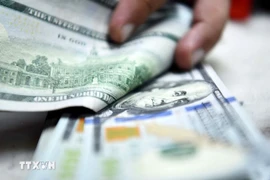
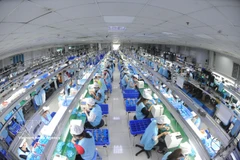
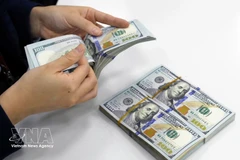
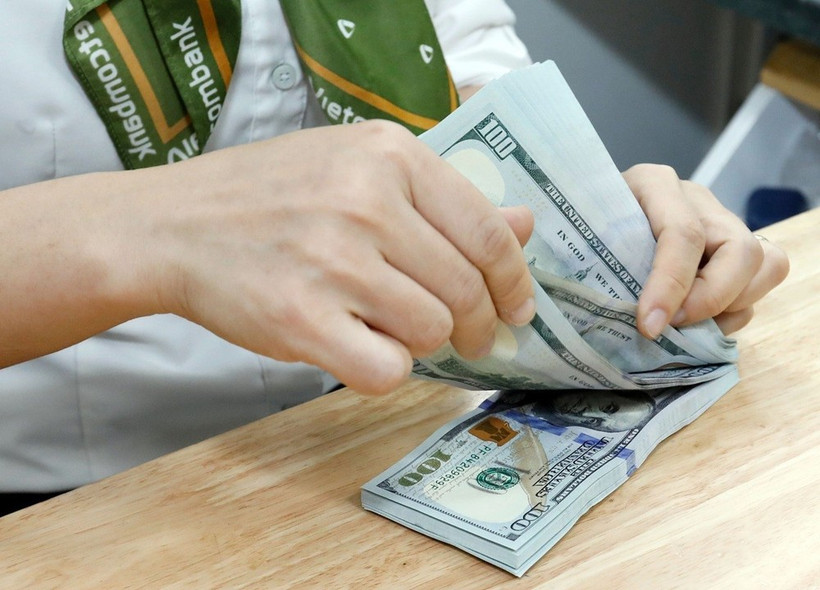
Ho Chi Minh City receives almost 8 billion USD in overseas remittances in the first nine months of 2025. (Illustrative photo: VNA)

HCM City (VNA) – Ho Chi Minh City received almost 8 billion USD in overseas remittances in the first nine months of 2025, reflecting a steady upward trend driven by favourable policies and investment environment.

Data from the State Bank of Vietnam’s HCM City Branch (Region 2) show that total remittances to the city reached 7.969 billion USD during the period, a year-on-year increase of 7.8% and equivalent to 83.4% of the total remittances received in 2024.

Remittance flows have kept strong growth momentum, with the region-based structure remaining largely unchanged. The majority continues to come from Asia and the Americas, accounting for over 80% of the city’s total inflows.

The positive result also demonstrates effects of the policies on foreign exchange and remittances, as well as the local favourable business climate, which have encouraged overseas Vietnamese to remit funds home. These inflows have contributed significantly to economic and social development as money was channelled into investment, business expansion and household consumption.

The steady increase also highlights the effectiveness of the municipal People’s Committee’s policy to capitalise on remittance resources.

In addition, the nearly 8 billion USD inflow relects the success of labour market and overseas employment policies. Expanded international partnerships of remittance companies and improved communications by commercial banks and remittance service providers have made transactions more convenient for overseas workers and Vietnamese communities abroad, further boosting inflows.

With these favourable factors in place, remittances to HCM City are expected to sustain positive growth in the remaining months of 2025 and may reach around 10 billion USD by the year's end, according to the central bank./.

VNA
See more

Vice Chairman of the Ho Chi Minh City People’s Committee Hoang Nguyen Dinh inspects IUU fishing prevention efforts at Hung Thai Port in Long Hai commune. (Photo: VNA)

Ho Chi Minh City steps up oversight of unqualified fishing vessels

HCM City currently has 4,475 fishing vessels, all of which have been registered and updated on the VNFishbase system. Among them, 4,268 vessels, or 95.37%, have been granted fishing licences, while 207 unqualified vessels are being strictly managed and kept ashore.

Airlangga Hartarto (fifth from right), Indonesian Coordinating Minister for Economic Affairs, and CEO of VinFast Asia Pham Sanh Chau (sixth from right) at the plant opening ceremony on December 15. (Photo: VinFast)

VinFast inaugurates EV plant in Indonesia

The VinFast Subang plant was completed and put into operation just 17 months after groundbreaking, demonstrating the company's rapid execution capability and strong implementation capacity. This is VinFast's fourth operational facility worldwide, and its first plant in Indonesia and Southeast Asia outside of Vietnam.

From early December, major retail chains in Ho Chi Minh City have recorded a noticeable increase in shoppers seeking Tet products. (Photo: VNA)

HCM City businesses ramp up production to meet Lunar New Year demand

From early December, major retail chains in the city have recorded a noticeable increase in shoppers seeking Tet products. Many consumers are taking advantage of promotional programmes to purchase gift items with long shelf lives, such as confectionery, soft drinks and processed foods, well ahead of the holiday peak.

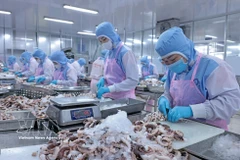
Workers process fish to be tinned for export at KTC Canned Food Factory under Kien Giang Trading JSC. (Photo: VNA)

Vietnam to host seminar on export growth strategies

Vietnam's exports rose 16.1% to 430.2 billion USD in the first 11 months of 2025, while total trade hit 839.8 billion USD during the same period. This strong performance shows that exports remain a key driver of economic growth, boosting Vietnam's standing on the world stage in recent years.

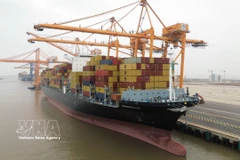
The vessel carrying the 2 millionth TEU arrives at Hai Phong Port. (Photo:VNA)

Hai Phong Port reaches 2-million-TEU milestone

Handling the 2 millionth TEU in 2025 not only demonstrates Hai Phong Port’s operational capacity and the collective efforts of its workforce, but also highlights its increasingly important role in regional and global supply chains, the confidence of shipping lines, logistics firms and the business community, and the effectiveness of policies to improve the investment climate and strengthen maritime infrastructure and services.

Melons labelled with traceability codes on display at the Song Van agricultural produce store in Ninh Binh city, Ninh Binh province. (Photo: VNA)

Tracing origins hindered by fragmented data systems

As the Government accelerates the digital economy, establishing a unified national traceability system has become a crucial move to end data fragmentation and disconnection among ministries, sectors and localities.

Hyundai unveils its new Avante Hybrid model in Seoul, the Republic of Korea, on August 13, 2020. (Photo: Yonhap/VNA)

Tax cuts poised to ignite Vietnam’s hybrid vehicle boom from 2026

Experts forecast that 2026-2030 will mark a period of strong growth for hybrid vehicles in Vietnam, a trend that will invigorate the automotive sector while supporting national objectives on emissions reduction, sustainable development and the broader transition to green mobility.

Illustrative image (Photo: VNA)

Vietnam targets 1 billion USD in banana exports

Bananas have been identified as a priority product under the Project for the Development of Key Fruit Crops to 2025, with a vision to 2030, approved in October 2022. Under the plan, banana acreage is projected to reach 165,000–175,000ha by 2030, with output of 2.6–3 million tonnes.