Hanoi (VNA) – Vietnam wants environmental protection and climate action to be new drivers of green growth, national competitiveness and sustainable development, with a stronger focus on coordinated governance, according to experts.
Dr Tang The Cuong, Director of the Department of Environment under the Ministry of Agriculture and Environment, said Vietnam’s approach to environmental protection is shifting from traditional pollution control and remediation towards modern environmental governance, in which the environment is regarded as an important development resource.
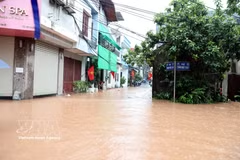
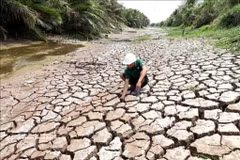
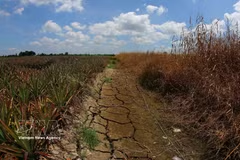
The shift comes as the country faces growing environmental and climate pressures, including sea-level rise, saltwater intrusion, drought, landslides and extreme weather. Vietnam also faces air and water pollution, biodiversity loss, and unsustainable resource use.

At the same time, global efforts to achieve net-zero emissions and increasingly stringent green standards are reshaping international trade. Carbon border adjustment mechanisms are placing greater pressure on businesses to reduce emissions and improve resource efficiency to maintain competitiveness in global markets.
Against this backdrop, Vietnam is placing greater emphasis on integrating environmental protection and climate adaptation into development planning from the outset, rather than addressing environmental consequences after they emerge.
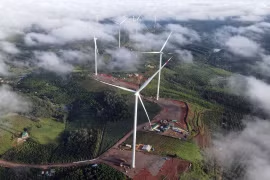
Cuong said this approach also creates opportunities to develop green and environmental industries, promote circular production, expand carbon markets and green finance, and encourage low-carbon business models.
Businesses, he noted, can turn environmental protection into a competitive advantage by adopting cleaner technologies and improving energy efficiency, while meeting increasingly demanding international standards.
Towards integrated environmental governance
One of the key changes is a move away from managing environmental issues solely along administrative boundaries towards a more integrated approach based on regions, river basins, and environmental spaces.
Such an approach requires closer coordination among sectors and localities, together with shared databases and integrated monitoring of pollution sources and overall pollutant loads.
The need for coordination is particularly clear where environmental problems cross administrative boundaries. Effective data sharing and joint management can help authorities identify pollution at its source and develop more effective solutions.
Greater emphasis is also being placed on developing the environmental industry, expanding recycling and promoting the circulation of materials throughout production and supply chains. Incentives for recycling projects and environmental technologies should encourage greater private-sector participation.
For businesses, the development of these sectors could create new markets for environmental technologies while reducing production costs and environmental impact.
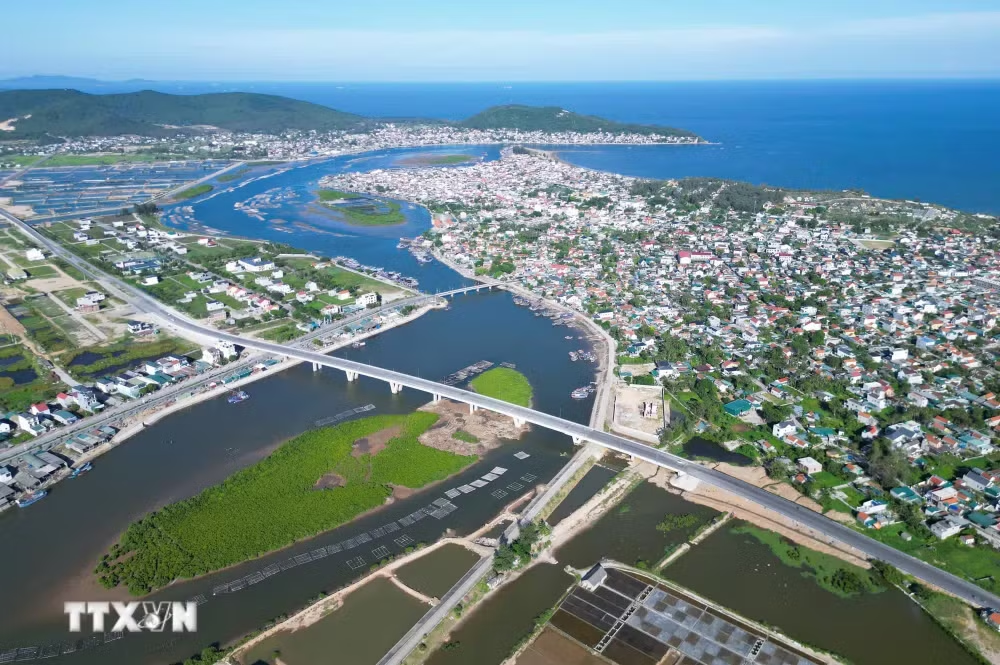
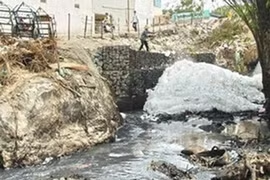
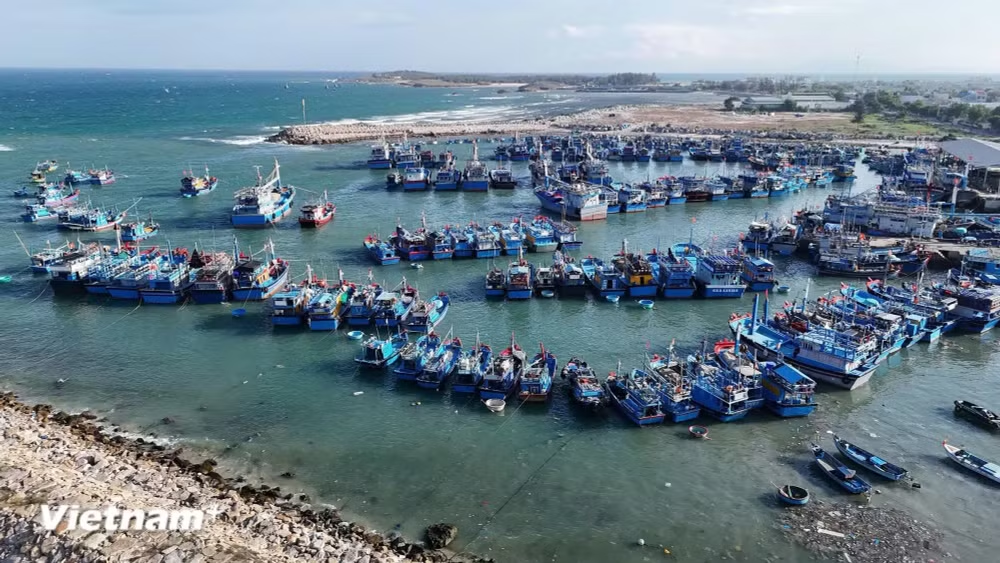
Addressing urgent environmental problems remains a priority, particularly air pollution in major cities, water pollution in river basins, pollution from craft villages and industrial zones, and the growing volume of plastic waste.
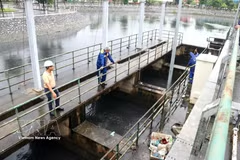
Authorities are encouraged to expand waste separation at source, reuse and recycling while reducing dependence on landfill. Digital transformation, artificial intelligence, big data and smart monitoring systems are also expected to support real-time environmental monitoring, forecasting and decision-making.
From policy to practical action
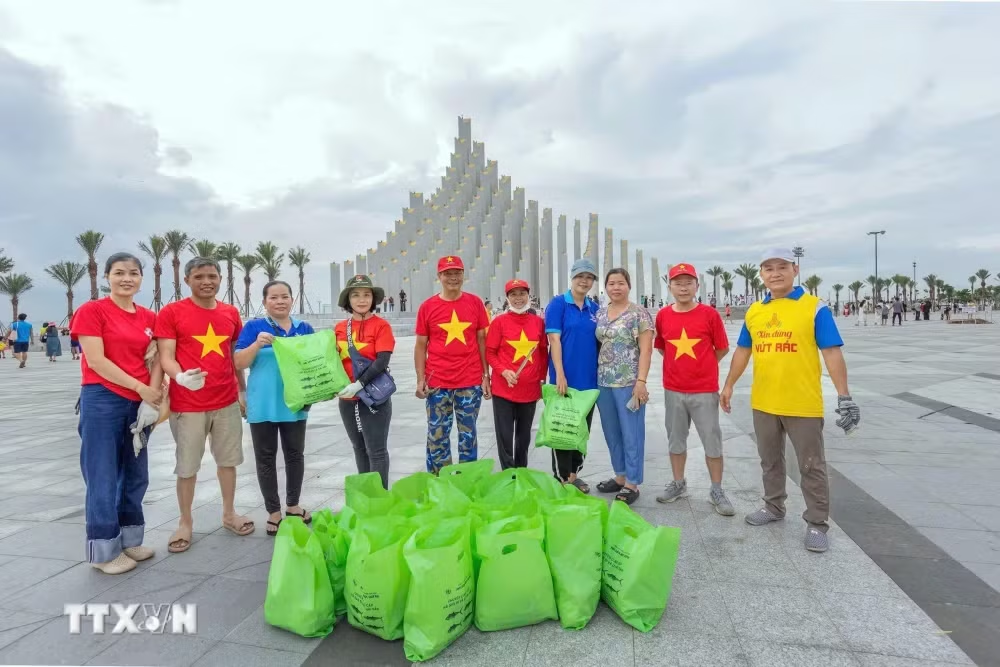
Cuong stressed that environmental protection and climate response cannot be achieved through regulations alone. They require coordinated participation from the political system, businesses, communities and individuals.
In this direction, Vietnam is strengthening institutions, environmental standards and technical regulations while integrating environmental and climate requirements into development strategies and plans.
Mobilising resources is another priority. At least 2% of the annual State budget spending is to be allocated to environmental protection, alongside efforts to attract private investment, expand green finance and public-private partnerships, and improve access to international climate finance.
Resources will also be needed for environmental monitoring and early-warning systems, waste treatment infrastructure, climate adaptation, energy transition, and low-carbon growth.

International cooperation remains important, particularly in mobilising finance, technology, and expertise in helping Vietnamese businesses adapt to new environmental standards and technical barriers in international markets.
Cuong said the agriculture and environmental sector would focus on translating the Party’s orientations into practical programmes, strengthening coordination and improving the capacity and accountability of environmental officials.
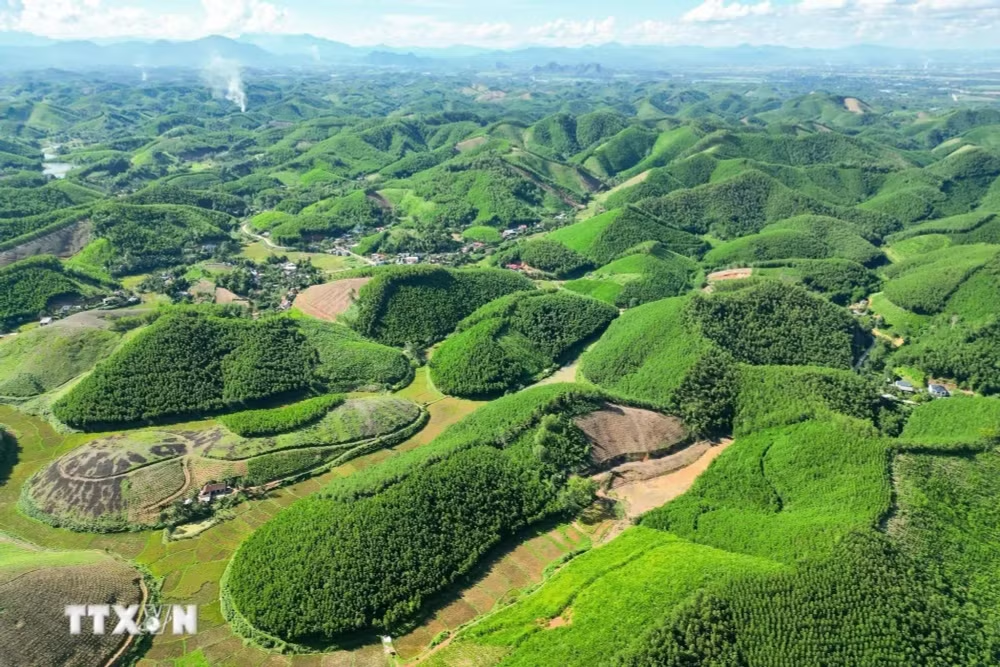
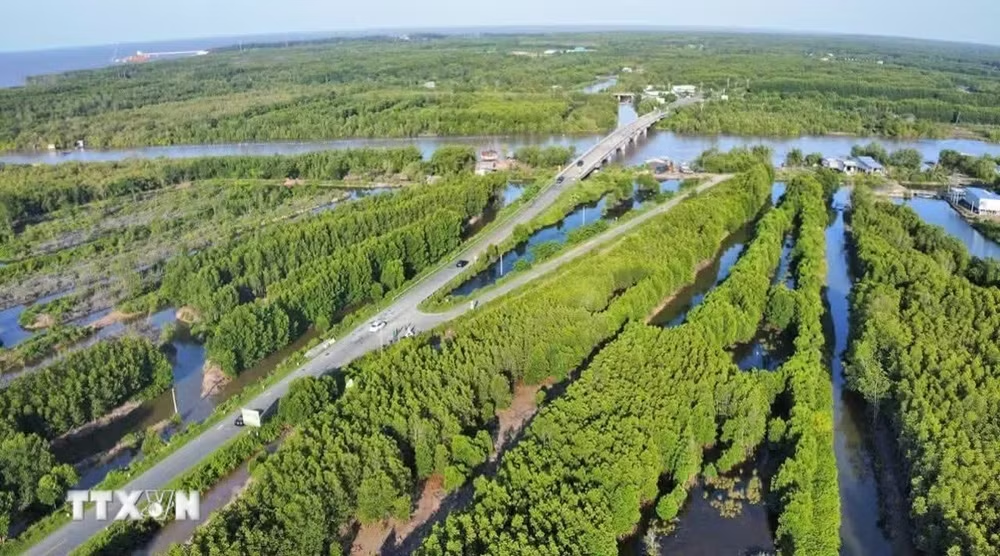
He noted that Vietnam’s transition towards green growth, supported by science, technology and innovation, could transform environmental and climate challenges into opportunities for new sources of growth.
The policy direction set out in Conclusion No. 75-KL/TW on environmental protection and proactive response to climate change in the new period, issued by the 14th Party Central Committee, and Action Programme No. 31-CTr/TW of the Politburo to implement the important conclusion is expected to provide a stronger foundation for modern environmental governance, helping align economic development with environmental protection, public health and the long-term well-being of future generations./.