Hanoi (VNA) - Completing institutions, modernising data-driven environmental governance, and mobilising society will be the key to building a greener and more prosperous Vietnam, according to Dr Tang The Cuong, Director of the Vietnam Environment Agency under the Ministry of Agriculture and Environment.
Speaking to VietnamPlus on the occasion of World Environment Day 2026, Cuong said environmental protection was no longer simply an urgent response to climate change, pollution and resource depletion, but a prerequisite for sustainable development in the new era.
Putting the environment at the heart of development
More than five years after the 2020 Law on Environmental Protection took effect, Vietnam has made important progress in environmental governance, Cuong said.
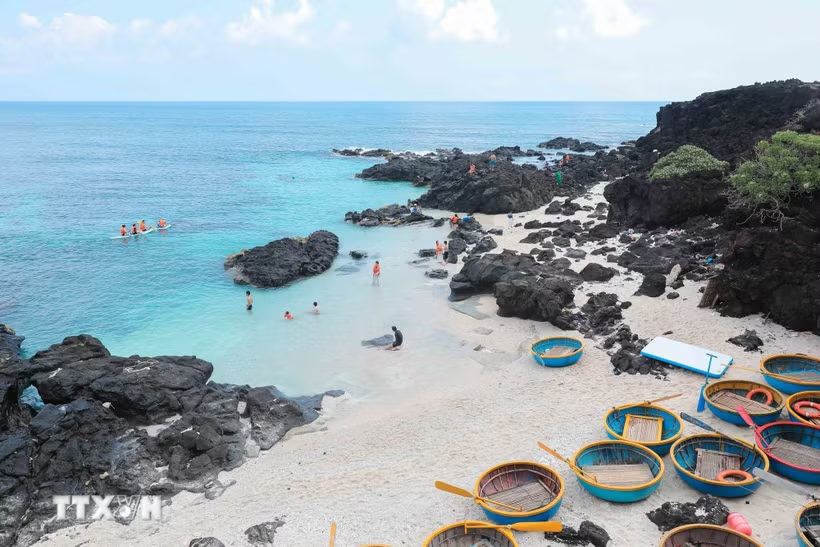
Management has gradually shifted from responding to pollution after it occurs to preventing environmental impacts at their source. Pollution control, waste management and nature conservation have been strengthened, while solid waste collection and treatment rates and the coverage of nature reserves have increased.
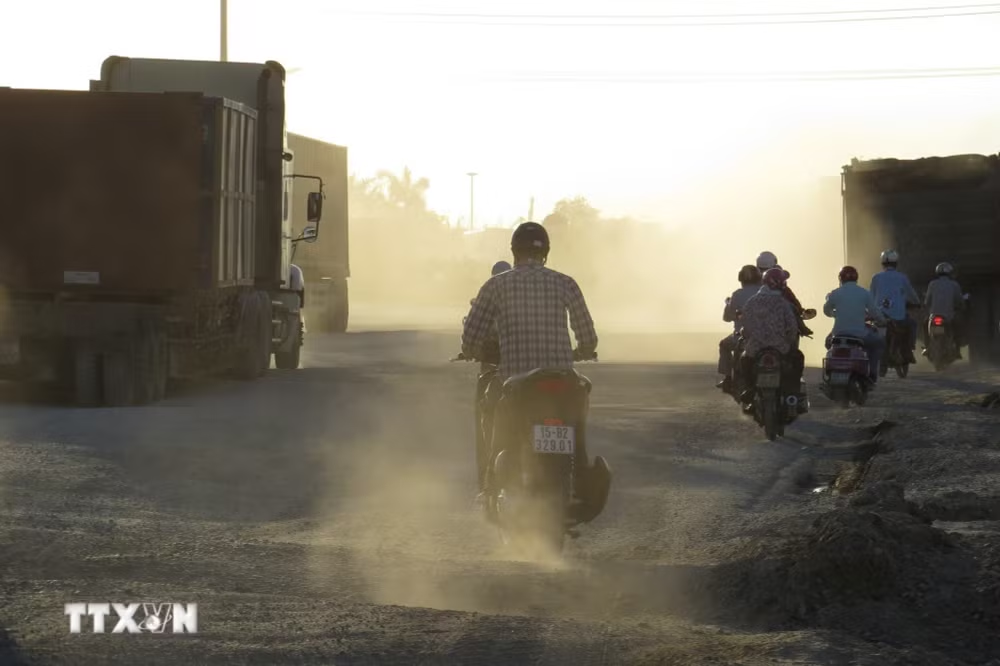
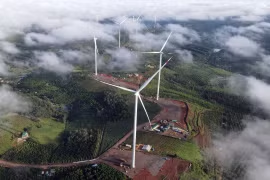
Many localities and businesses have also embraced green growth, circular economy models and more efficient use of resources and energy.
Significant challenges, however, remain. Air quality in major cities, particularly Hanoi and Ho Chi Minh City, has been improving slowly, while pollution in river basins and craft villages, and plastic waste remain pressing concerns. Ecosystem degradation and biodiversity loss continue, environmental infrastructure remains inadequate in many areas, and environmental data is fragmented and poorly connected.
Green lifestyles and consumption have yet to become widespread, while limited resources for environmental protection and climate action continue to constrain efforts to tackle urgent problems.
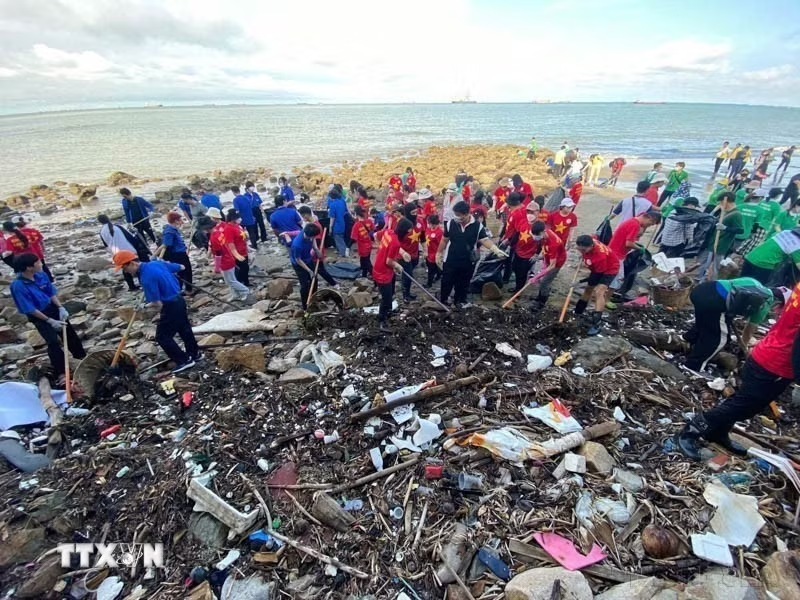
Green transition brings both opportunities and pressures
Cuong said Vietnam faces both opportunities and challenges as green transition, digital transformation and new governance models gain momentum.
Strong political commitments, growing public awareness and increasing engagement from businesses provide a solid foundation for environmental action. Advances in science, technology and innovation, together with international cooperation, are also opening access to green finance and modern technologies.
Vietnam's deeper participation in global value chains and international environmental and climate commitments could strengthen competitiveness and accelerate the development of green, circular, and low-carbon industries.
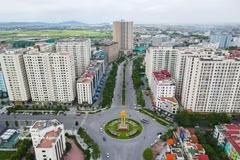
At the same time, maintaining high economic growth could put greater pressure on natural resources, energy demand, waste generation and greenhouse gas emissions. Rapid urbanisation and economic expansion are also increasing demand for land, water, energy and environmental services.
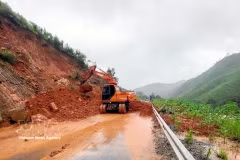
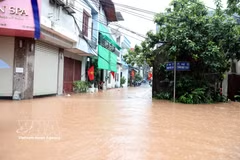
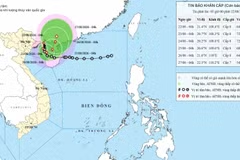
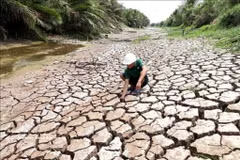
Climate change, extreme weather and rising sea levels are adding to those pressures, directly affecting socio-economic development and people's livelihoods.
From administrative control to smart governance
Against this backdrop, the Vietnam Environment Agency is working with relevant agencies to review and amend the 2020 Law on Environmental Protection and improve the effectiveness of State management.
A key direction is to move from pre-inspection to post-inspection and from conventional administrative management to modern, data-driven environmental governance.
The agency also plans to help tackle major pollution hotspots, including air pollution in large cities and water pollution in major river basins, while promoting advanced technologies, innovation and digital transformation.
A unified environmental database that is integrated and interconnected from the central to local levels would improve monitoring, decision-making and public access to environmental information.

Cuong also stressed the importance of developing high-quality human resources capable of using emerging technologies, analysing big data and applying artificial intelligence. Greater cooperation with domestic and international organisations would help Vietnam learn from advanced governance models and gain access to modern environmental solutions.
He said environmental protection should be regarded as a continuous task, requiring stronger participation across the political system and greater resources.
More importantly, building an ecological civilisation requires the gradual establishment of a modern environmental governance system grounded in data, science and technology, enabling decisions to be made more effectively.
Turning commitments into action
The theme of World Environment Day 2026, “A Global Call to Action for Climate,” carries a message not only for governments but also for businesses and individuals, Cuong said.
The priority now, he stressed, is to move from awareness to action and from commitments to implementation.
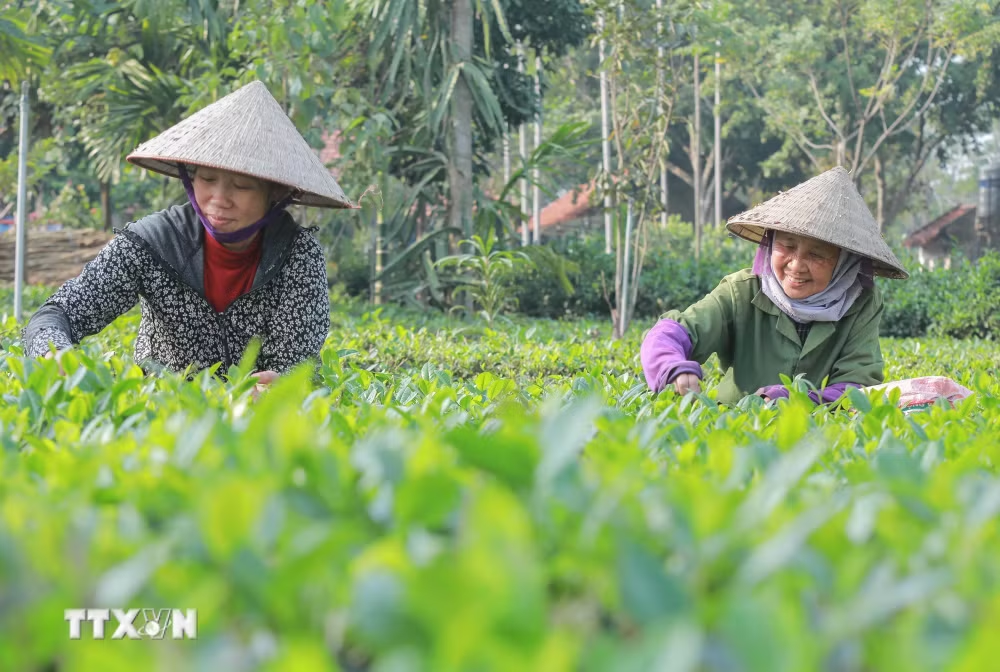
Authorities at all levels should place environmental protection and climate action at the centre of socio-economic strategies, plans and development decisions.
For businesses, environmental investment should be viewed not merely as a social responsibility but as an investment in future competitiveness. Companies need to adopt cleaner technologies, use resources more efficiently, cut emissions and develop greener production models to strengthen their position in global value chains.
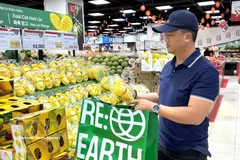
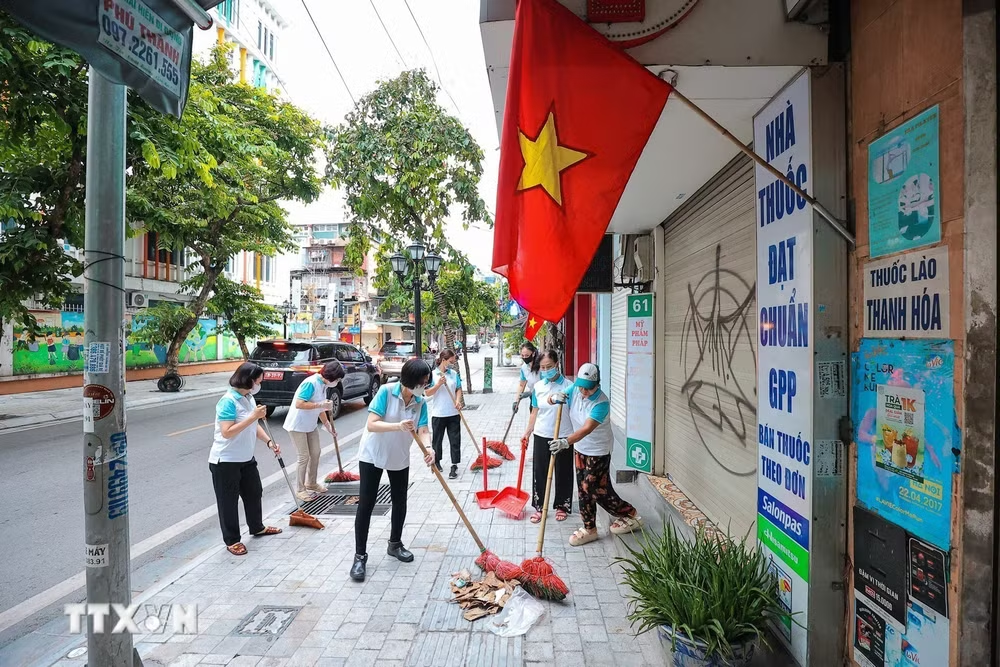
Individuals, meanwhile, can contribute through daily choices in consumption, lifestyles and interactions with the environment. Small changes, when repeated and embraced widely, can generate major benefits for society and future generations.
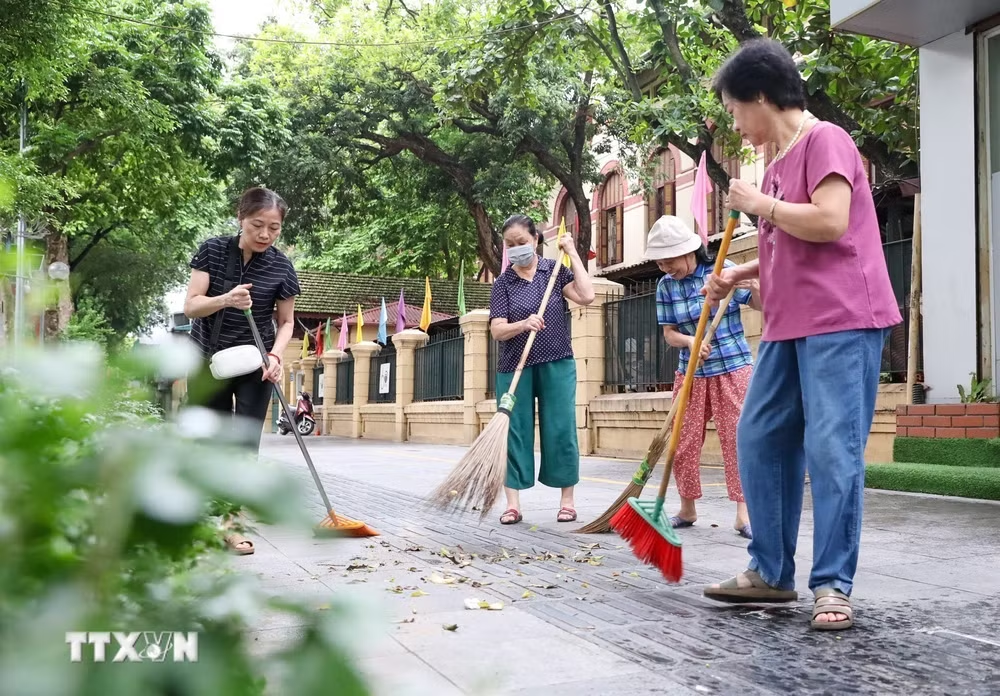
Environmental protection is not the responsibility of State management agencies or the environmental sector alone but a shared responsibility of the whole society, Cuong stressed.
He also expressed his belief that with concerted efforts from the political system, businesses and the public, Vietnam can move closer to its goal of building an ecological civilisation and a greener, more sustainable living environment./.