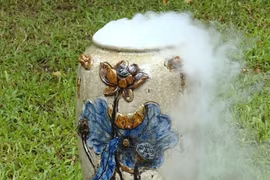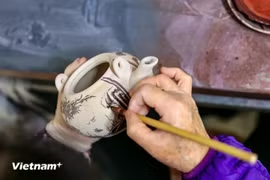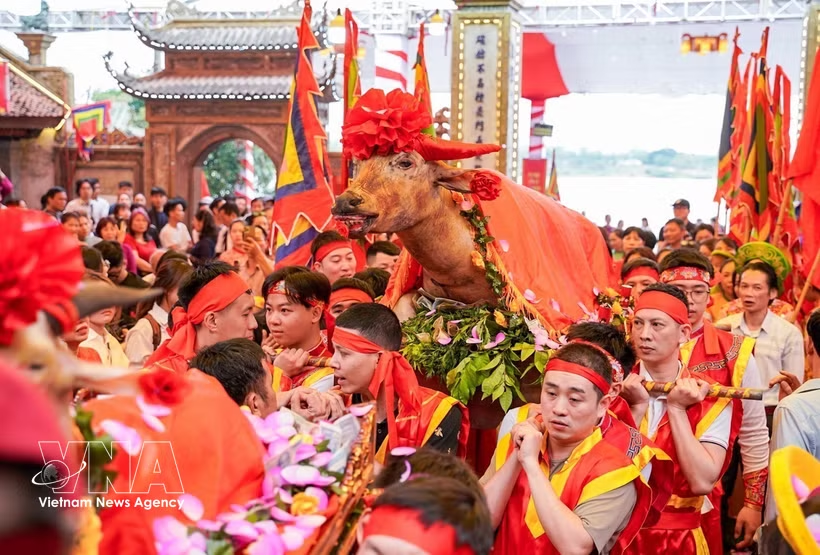
Hanoi (VNA) – The 2026 traditional festival of Hanoi’s Bat Trang pottery village officially opened on April 1, drawing large numbers of residents and visitors from across the country.
More than an annual cultural event, it serves as an occasion for the community to pay tribute to their forebears while reaffirming the enduring vitality of a nationally recognised intangible cultural heritage in contemporary life.
According to the organisers, the festival runs from March 31 to April 3 (corresponding to the 13th to 16th days of the second lunar month) at the village communal house.
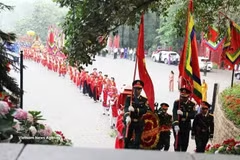
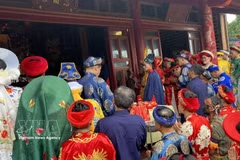
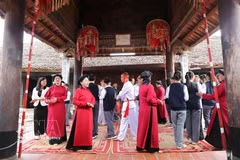
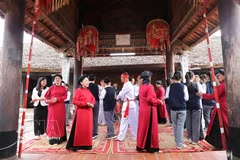
Proceedings began with a prayer ceremony for peace and prosperity on the morning of March 31, expressing hopes for a safe and favourable year ahead. In the following days, a series of traditional rituals, including incense offerings, palanquin processions, ceremonial rites and the distribution of blessed offerings, are conducted with due solemnity.
A highlight of the festival remains the water procession on the Red River, symbolising aspirations for growth and prosperity, as well as the close bond between the craft village and the natural environment.
These rituals have been preserved largely in their original form, reflecting the cultural depth of this long-established craft village. Beyond their spiritual significance, they represent a vital link to ancestral roots and a means of honouring those who laid the foundation of the traditional pottery making. The presence of multiple generations, from elders and artisans to younger participants, underscores the organic continuity of this heritage within the community.
Alongside the ceremonial elements, the festival also features a vibrant array of cultural exchanges, folk games and artistic performances, vividly recreating the communal life of the village.
A notable feature of this year’s edition is the lantern-floating ceremony on the Red River on the evening of April 3, carrying residents’ wishes for peace and happiness. The activity highlights the harmonious blend of tradition and spiritual values in modern life.
To ensure the festival proceeds in a safe and orderly manner, the People’s Committee of Bat Trang commune established a 31-member organising committee, comprising representatives from local authorities, artisans and community organisations. Measures have been implemented to ensure public order, environmental sanitation and traffic management. As in previous years, entry to the festival remains free of charge while service activities are subject to stricter monitoring, including transparent pricing and the prevention of touting.
Particular attention has also been paid to waterway traffic safety during the water procession, with functional forces tasked with guiding vessels in the area.
In parallel, local authorities have intensified communications efforts to raise public awareness of the historical significance of the site and festival regulations through loudspeaker systems and public signage. The introduction of a code of conduct for cultural environments at festivals is also being promoted, with a view to fostering civilised behaviour and the sense of responsibility towards heritage preservation and promotion.
The festival has been recognised as part of Vietnam’s national intangible cultural heritage. Meanwhile, Bat Trang pottery village is currently a member of the UNESCO Creative Cities Network for crafts and folk art.
With thorough preparations and a strong sense of community responsibility, the festive event this year not only meets the cultural and spiritual needs of local residents but also provides an opportunity to popularise the value of the traditional craft village to both domestic and international visitors, thereby reinforcing the role of heritage in nurturing cultural identity and supporting sustainable tourism development./.
Bat Trang traditional art features Vietnamese spirit
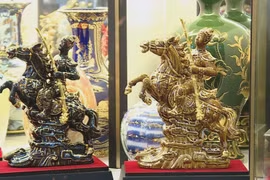
Bat Trang traditional pottery village in Hanoi is entering a new season of creativity. From earth and fire, shaped by the skilful hands of artisans, symbolic creatures embodying the beliefs and aspirations of the Vietnamese people gradually come to life. Among them is a collection of sacred ceramic horse figures, carrying the spirit of the Year of the Horse.