Dong Nai (VNA) – With its diverse tourism resources and strategic location as a gateway connecting the Southeastern region with the Central-Central Highlands region, and neighbouring countries such as Cambodia, Laos, and Thailand, the southern province of Dong Nai is working to leverage these advantages to develop its “green economy”, with increased investment aimed at attracting both domestic and international tourists.
Turning potential into advantage
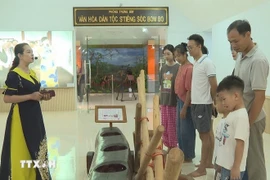
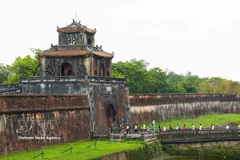
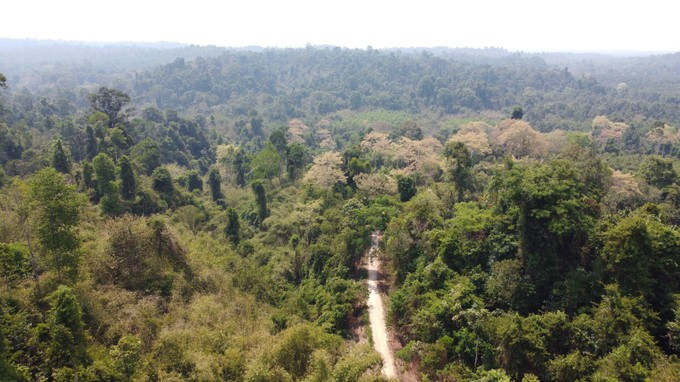
Dong Nai boasts a rich cultural heritage spanning thousands of years, found throughout the province. It is home to notable sites such as the Bu Gia Map National Park, the Sac Mangrove Forest (Nhon Trach), and the S’tieng Ethnic Cultural Reserve in Bom Bo. Notably, the Dong Nai Cultural and Nature Reserve, covering over 100,000 hectares, was recognised as a UNESCO Biosphere Reserve in 2011.
The province’s diverse ethnic makeup brings together distinct regional cultures through festivals and traditional activities such as the S’tieng rain-praying ritual, the M’nong new rice celebration, the Khmer Chol Chnam Thmay, and the Dolta Festival, alongside vibrant traditional craft villages.
Associate Professor, Dr. Huynh Van Toi from Ho Chi Minh City University of Culture describes Dong Nai as a land blessed with favourable natural, cultural, and human conditions - a region that embodies and spreads the cultural essence of southern Vietnam.
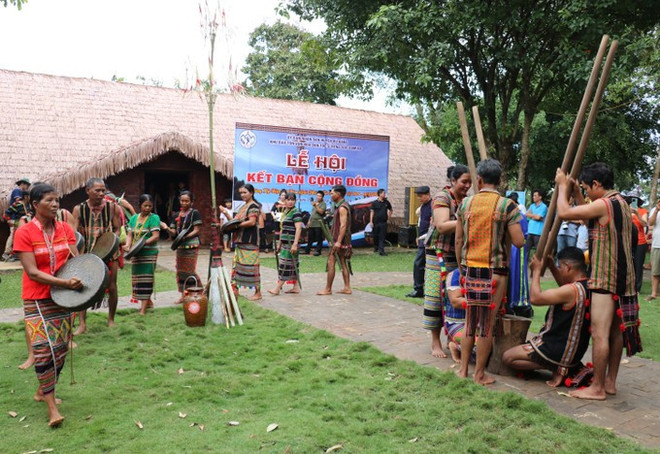
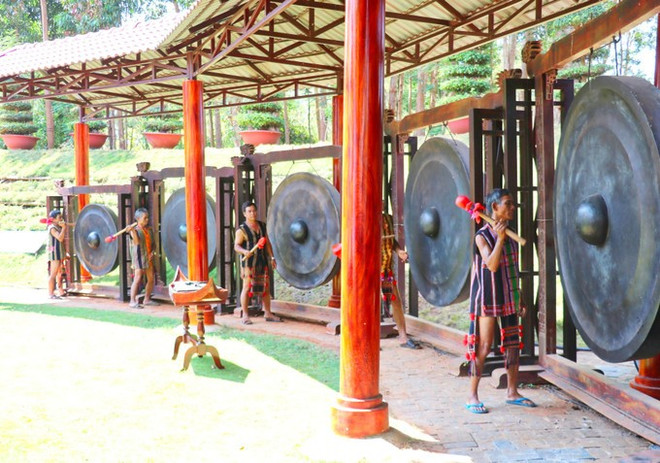
Visitors have praised the cultural richness and natural beauty. Nguyen Duc Toan from Ho Chi Minh City expressed his admiration after visiting the Bom Bo S’tieng Cultural Reserve, highlighting experiences such as traditional rice pounding, brocade weaving, and stone xylophone performances by locals.
Le Thi Ai Vy, a visitor from Can Tho city, shared her excitement about the wild beauty and biodiversity at the Bu Gia Map National Park, where she joined trekking, camping and fishing, and experienced local traditions like gong dancing, weaving, and ethnic cuisine.
Prioritising tourism investment
Nha Bich commune is seen as a key area with natural and geographical advantages for development. According to Secretary of the communal Party Committee Nguyen Trung Dung, the commune is focusing on infrastructure development, especially to support eco-agriculture tourism linked with OCOP (One Commune One Product) schemes. Nha Bich is encouraging community-based, cultural, and experiential tourism, particularly around Phuoc Hoa Lake and ethnic minority areas. Public investment is also being prioritised for transport infrastructure and integrated tourism-service projects, including a golf course and resort complex.
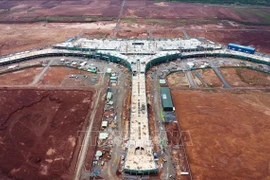
In Bom Bo commune, Secretary of the communal Party Committee Vu Long Son said the locality will accelerate infrastructure development to connect tourist sites and provincial roads. Plans include road upgrades, parking areas, rest stops, and public facilities near the Bom Bo national historic site.
From cultural heritage to economic value
Professor Phan Thi Thu Hien from University of Social Sciences and Humanities under the Vietnam National University – HCM City, noted that cultural resources must be transformed into economic and social value to benefit local communities. Tourism is a powerful medium to realise this transformation effectively.
Professor, Dr. Cao Viet Hieu from Binh Duong University emphasised that for heritage and scenic sites to contribute to the local economy, a suitable financial policy is vital. The province should allocate sufficient funds for conservation and promotion efforts. He noted that many cultural assets in Dong Nai are still underdeveloped and require strategic, scientific investment to become viable tourism products.
To develop tourism sustainably, Dong Nai plans to focus public and private investment on key infrastructure projects and heritage conservation. Efforts will integrate cultural preservation with tourism growth, prioritising transport infrastructure, boat piers, and improved access to tourist areas.
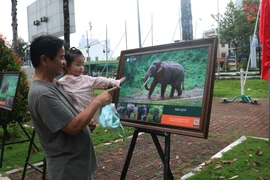
The province is actively calling for investment in key tourist zones and enhancing ongoing projects featuring eco-tourism and adventure experiences. Dong Nai has also planned 51 tourism development sites and 37 forest and lake exploration routes, tapping into the region’s biodiversity.
Highlighted investment opportunities include a high-end resort complex by Tri An lake, a Safari park covering 412 hectares, adventure and aerial sports tourism areas, a 240-hectare wildlife rescue and conservation centre, and community-based tourism projects in partnership with local ethnic groups.
With coordinated planning and investment, Dong Nai is laying the foundation to become a premier green and cultural tourism destination in Vietnam’s southeastern region./.