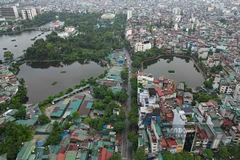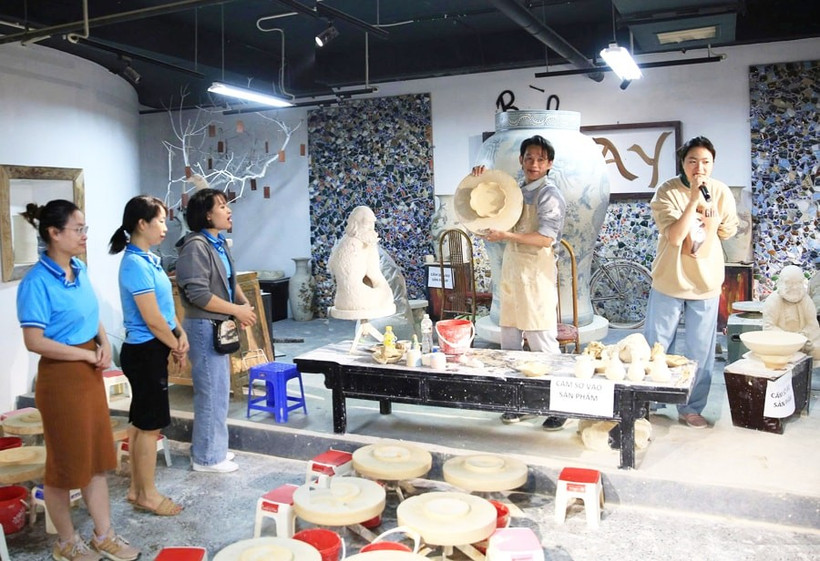
Hanoi (VNA) – Amid rapid urbanisation and shrinking agricultural land, Hanoi is leveraging its suburban advantage by developing agro-tourism tied to the preservation of traditional culture and the creation of a modern rural economy, aiming to diversify agricultural value, stimulate local growth, and ensure sustainable livelihoods for farmers.
Expanding agro-tourism opportunities
With vast, diverse, and culturally rich rural areas, Hanoi has identified community-based agro-tourism as a pillar of local economic growth. The approach helps restructure agriculture toward sustainability, attract investment, and generate jobs.
The city boasts over 1,000 craft villages and traditional handicraft communities - cultural and artisanal treasures with strong tourism potential. According to Nguyen Xuan Dai, Director of Hanoi’s Department of Agriculture and Environment, Hanoi aims to support brand-building and collective trademark certification for at least 100 craft villages by the end of 2025, with 64 already achieving this goal by 2024.
Hanoi’s “One Commune, One Product” (OCOP) programme further accelerates agro-tourism. Sixteen innovation and design centres dedicated to promoting OCOP and craft village products have been established, linking handicraft villages and farm products with tourism markets and offering effective distribution channels.
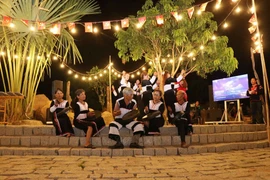
Successful models are drawing visitors, including Van An Cooperative, which combines clean agricultural production with school tours, an organic vineyard in Vinh Thanh that integrates farming with homestays, and Hong Van bonsai village, an OCOP tourism highlight that attracts more than 60,000 visitors annually.
These successes clearly demonstrate the potential and effectiveness of agro-tourism in Hanoi. Director of the Hanoi Department of Tourism Dang Huong Giang emphasised that rural tourism is a sustainable pathway, combining cultural and ecological values while attracting both domestic and international visitors.
Creating sustainable livelihoods
Vice Chairman of the municipal People’s Committee Nguyen Manh Quyen stressed that agro-tourism facilitates labour shifts, boosts incomes, attracts investment, and protects cultural heritage. He called for closer coordination between the agriculture and tourism sectors to establish value chains from production, processing, and OCOP products to services, with cooperatives and enterprises playing central roles.
Key priorities include linking OCOP products with agro-tourism tours, forming on-site consumption networks, and using digital tools to map destinations, design online tours, and enhance visitor experiences through QR codes, AR/VR, and e-commerce.
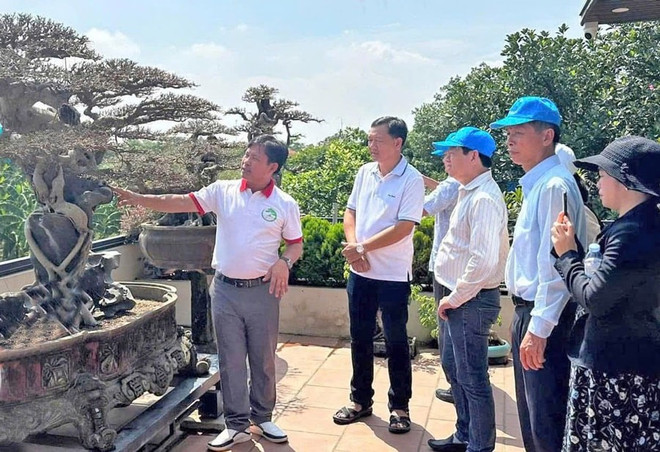
Communities are encouraged to prioritise workforce training in hospitality, culinary arts, and homestay management, with a specific focus on empowering youth and women in rural areas to enhance service quality and promote sustainable livelihoods.
Regional connectivity and public-private partnerships are highlighted as critical to scaling up and diversifying offerings. Hanoi encourages themed tours tied to seasons, festivals, and specialities while strengthening links among travel agencies, cooperatives, and communities to form a robust agro-tourism ecosystem.
Experts recommend that Hanoi refine spatial planning for agriculture-tourism integration, prioritising ecological farming zones, cultural landscapes, and distinctive rural attractions. Nguyen Quang Dang, Chairman of the Vinh Thanh commune People’s Committee, emphasised the need for preferential loans and business-friendly administrative procedures to attract investment.
Agro-tourism is seen as a bridge between economic growth and cultural preservation. For Hanoi, it represents a strategic path toward building advanced rural areas and a green, smart, modern capital. With its strengths, integrated solutions, and strong participation from authorities, businesses, and communities, Hanoi’s agriculture is well-positioned to become a standout in the city’s and nation’s socio-economic development./.