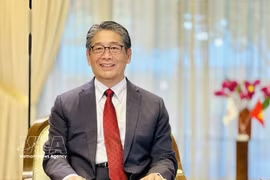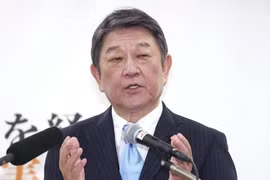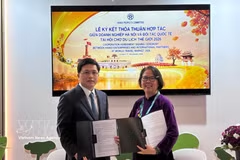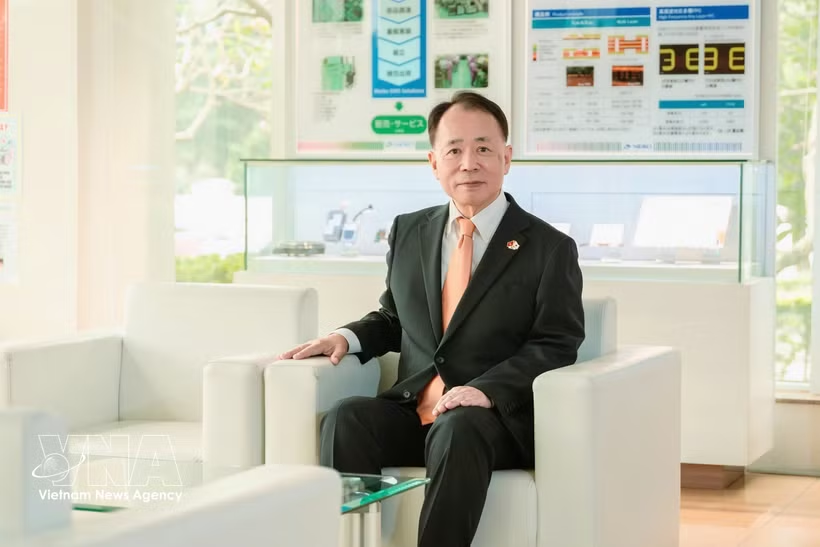
Tokyo (VNA) – Japanese businesses hope to translate the strong political trust between Vietnam and Japan into practical cooperation in human resources development, green transition and investment environment improvement, reaffirming their long-term partnership commitment to Vietnam, said Tsuchibashi Akito, Chairman of the Japan Chamber of Commerce and Industry in Vietnam (JCCI).
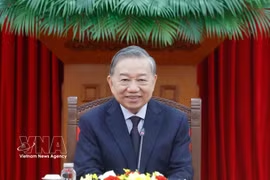
In an interview with the Vietnam News Agency, Tsuchibashi said the upcoming official visit to Japan by General Secretary of the Communist Party of Vietnam Central Committee and President To Lam is expected to open a new vision for the next 50 years of bilateral cooperation and further deepen the Vietnam-Japan Comprehensive Strategic Partnership.
He described bilateral ties as among the strongest and most trusted in the history of relations between the two countries. Since Vietnam embarked on Doi moi (Renewal) and opened its economy, Japan has been among the first countries to invest in Vietnam and has consistently supported the Southeast Asian nation’s industrialisation and modernisation.
According to the expert, Japan now remains Vietnam’s largest provider of official development assistance (ODA), one of its key labour cooperation partners, a leading foreign direct investment (FDI) source and a major trading partner. The elevation of ties to a Comprehensive Strategic Partnership for Peace and Prosperity in Asia and the World in 2023, marking the 50th anniversary of diplomatic relations, reflected decades of trust and mutual understanding.
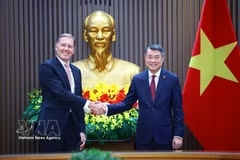
The JCCI chairman also spoke highly of the Vietnamese Government’s increased dialogue with Japanese businesses. During 2025-2026, then Prime Minister Pham Minh Chinh met with Japanese businesses three times, while incumbent Prime Minister Le Minh Hung has also chaired direct dialogue sessions, he said, noting that these meetings demonstrate Vietnamese leaders’ trust in Japanese businesses as long-term partners in the country’s development.
He said Japanese firms contribute to Vietnam’s economy through investment, job creation, tax payments, technology transfer, workforce training and supply chain development. Their role is expected to grow as Vietnam moves towards higher value-added industries and seeks to strengthen its global competitiveness.
Looking ahead, Tsuchibashi outlined three priority areas for cooperation, starting with developing high-quality human resources through stronger links among businesses, universities and research institutes; promoting green transition and energy security through technology transfer and initiatives such as Asia Zero Emission Community (AZEC) by the Japanese government; and improving the investment environment through greater legal transparency, policy predictability and streamlined administrative procedures.
He highlighted the growing number of Vietnamese people studying and working in Japan, acquiring professional skills and international experience before returning to take up important positions in businesses, saying that this creates a channel for transferring knowledge, technology and experience back to Vietnam, beyond simply facilitating labour mobility. He hoped that the two governments would continue supporting and expanding this model.
Regarding the investment environment, Tsuchibashi called on Vietnam to further improve legal transparency, ensure policy predictability and simplify administrative procedures, saying that a stable and transparent business environment will help attract new investment, promote technology transfer and human resource development, and bring benefits to both countries.
Tsuchibashi stressed that Japanese businesses regard Vietnam not merely as a consumer market or investment destination, but as a partner in shared development. As Vietnam works towards becoming a developed, high-income country by 2045, Japanese companies will continue contributing through workforce training, technology transfer, green transition, digital innovation, and stronger participation by Vietnamese firms in industrial value chains./.