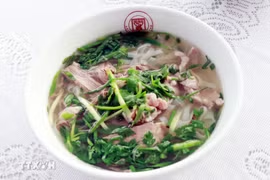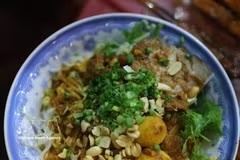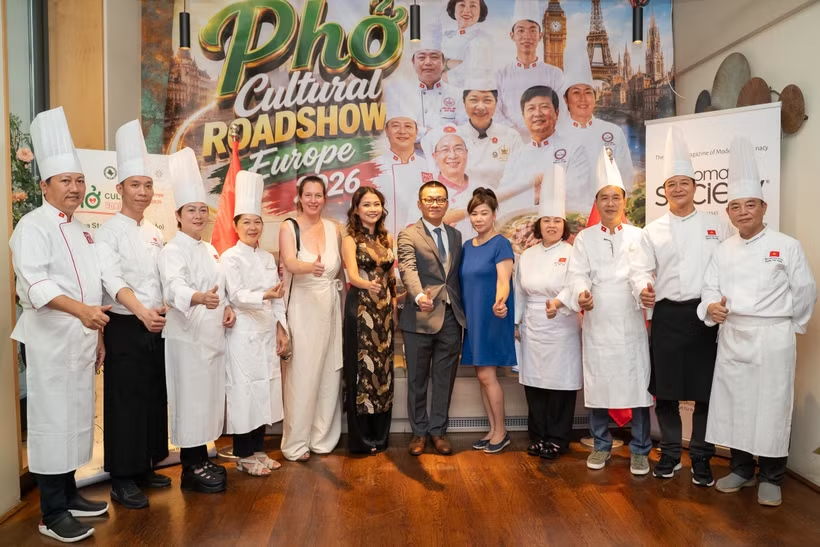
Hanoi (VNA) – Vietnam’s iconic pho (noodle soup) took centre stage in a nearly three-week cultural roadshow across Europe in July, introducing international audiences not only to the country’s signature dish but also to the traditions, history and community spirit behind it.
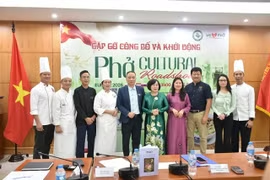
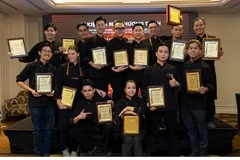
The Pho Cultural Roadshow Europe 2026 travelled through six countries – the Czech Republic, Poland, Slovakia, Austria, Hungary and Germany – with seven stops, bringing together eight Vietnamese culinary artisans, chefs and food experts.
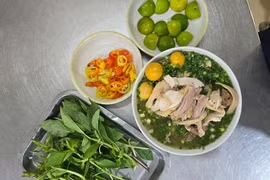
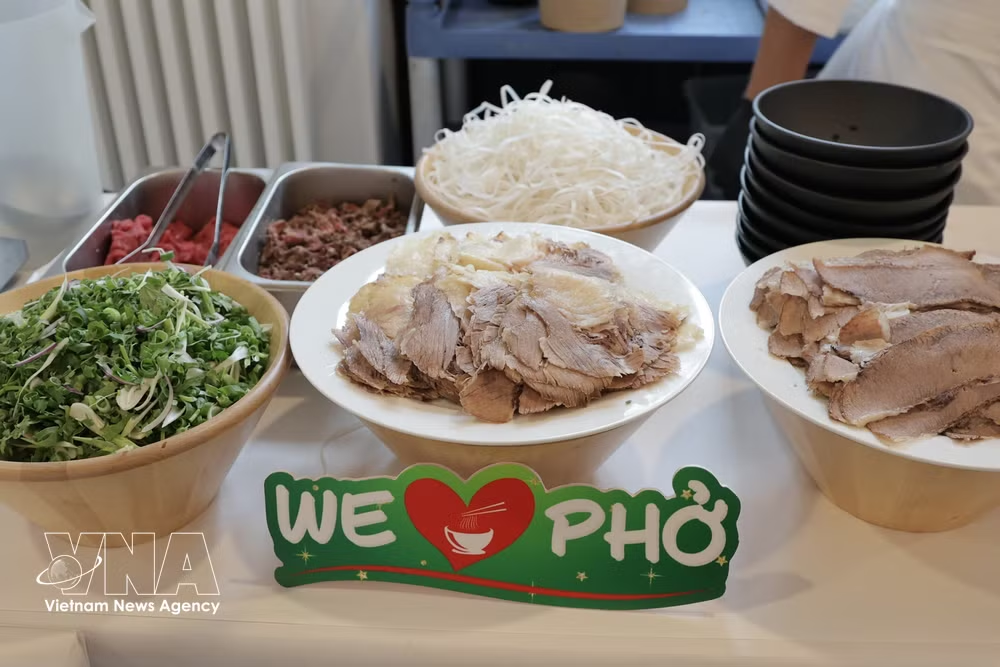
At each destination, the aroma of simmering broth drew curious visitors to demonstration kitchens, where Vietnamese chefs prepared bowls of pho from scratch. Audiences watched every step, from slicing beef and blanching rice noodles to ladling fragrant broth and adding fresh herbs.
Many were eager to learn why such a seemingly simple dish requires hours of preparation and meticulous attention to ingredients. Others were fascinated by cooking techniques refined and passed down through generations.
Mathis Lerice, a French diner, told Ha Noi Moi newspaper that he had known pho through his family and regarded it as one of the best dishes he had ever tasted. Watching Vietnamese chefs prepare it in person and learning about its origins made the experience even more memorable.
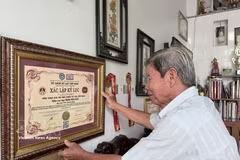
Beyond serving food, the roadshow highlighted Vietnam’s culinary heritage. Visitors learned how pho has been preserved for more than a century, particularly in Hanoi, where it remains closely associated with everyday life and cherished memories for generations of Vietnamese, including those living abroad.
A key contributor to the programme was Mai Hai Lam, a Vietnamese expatriate in Poland and founder and president of the We Love Pho Association. He said promoting pho internationally requires close cooperation among chefs, restaurant owners, artisans, researchers and cultural advocates who share a passion for the dish.
The association has also proposed building a "Pho Map" in Europe, highlighting Vietnamese-owned restaurants that serve authentic pho while introducing local communities to Vietnamese culture.
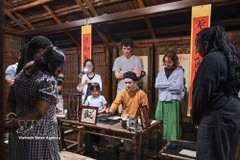
Throughout the tour, the We Love Pho Association worked with Vietnamese communities across Europe to organise cultural exchanges bringing together pho enthusiasts, overseas Vietnamese and local residents.
Whether held in public squares, cultural centres or community venues, cooking demonstrations consistently attracted the largest crowds. In Prague, long queues formed as visitors waited to sample pho prepared by Vietnamese master chefs.
Culinary expert Duong Van Hung, President of the Royal Chefs Association of Vietnam, said the events allowed Vietnamese chefs to showcase traditional techniques while helping international audiences better understand the cultural value of pho. He stressed that chefs preparing pho overseas should understand the dish’s origins, as every recipe reflects the traditions, people and culinary customs of different regions of Vietnam.
Restaurant owners also play an important role in preserving authentic flavours. In Poland, Pham Thanh Nhan, owner of Mama Pho restaurant, said she hopes to introduce the authentic taste of northern Vietnamese pho to more diners across Europe while promoting Vietnam’s culinary heritage.
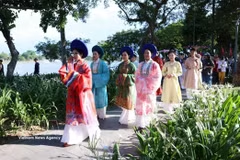
For overseas Vietnamese, the events also served as community gatherings where younger generations could hear Vietnamese, see traditional costumes and enjoy familiar flavours from home. Nguyen Duy Vu, President of the Vietnamese Association in Slovakia, said such activities help preserve Vietnamese cultural identity among second- and third-generation overseas Vietnamese.
Supported by Vietnamese associations and diplomatic missions, the roadshow also showcased the solidarity and successful integration of Vietnamese communities in Europe. Vietnamese Ambassador to Slovakia Pham Truong Giang said the programme not only promoted Vietnam’s culture but also conveyed a strong message about the cohesion of overseas Vietnamese communities.
From Prague and Bratislava to Budapest and Berlin, pho has become more than a popular dish. It serves as a cultural bridge connecting overseas Vietnamese with their homeland while offering European audiences a gateway to Vietnam’s rich culinary heritage./.