Hanoi (VNA) – Vietnamese and Czech officials have underscored the vast potential of expanded cooperation between the two nations, driven by the EU-Vietnam Free Trade Agreement (EVFTA).
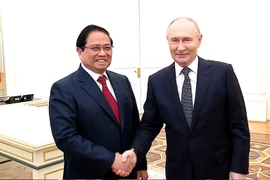
Vietnam has become the Czech Republic’s largest trade partner in ASEAN. In return, the Czech Republic stands out as a fast-growing and stable economy with a strong industrial base, positioning it as a key player among markets in Eastern Europe. Therefore, Prime Minister Pham Minh Chinh's ongoing official visit to the Czech Republic is expected to elevate the bilateral traditional friendship and multifaceted cooperation to a new level, fostering deeper, more substantial and effective ties.
Supplementary ties
Experts described the two economies as perfectly complementary. Vietnam’s strengths lie in agriculture, seafood, apparel, footwear, wooden furniture, electronics and consumer goods. Conversely, the Czech Republic boasts a well-developed industrial sector, renowned for its mechanical products, machinery, automobiles, trucks, locomotives, marine engines, defence equipment, and quality consumer goods, many of which are in strong demand in Vietnam.
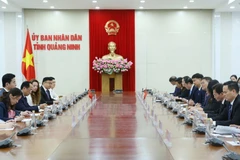
During a recent working session with Ambassador of the Czech Republic in Vietnam Hynek Kmonicek, Minister of Industry and Trade Nguyen Hong Dien said bilateral economic and trade collaboration remains modest, falling short of its potential. With Vietnam’s improving business and investment environment, the stage is set for enhanced cooperation across industrial and energy sectors.
As both Vietnam and the Czech Republic accelerate their integration into the global economy, Dien expressed his hope that the Czech Republic and other relevant countries would expedite the ratification of the EU-Vietnam Investment Protection Agreement (EVIPA) and discuss specific cooperation areas in more details.
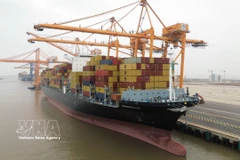
A representative from the Ministry of Industry and Trade (MoIT)’s European – American Market Department said as of November 2024, two-way trade hit 1.8 billion USD, 1.6 billion USD of which was Vietnam’s exports, mostly coffee, pepper, fresh and dried fruits, peanut, tea, rice, rubber, seafood, footwear, apparel, handicraft, and computer components.
Vietnam imports a variety of goods from the Czech Republic, including electronics, machinery, chemicals, apparel, textile fibers, leather products, equipment, dairy products, pharmaceuticals, mechanical products, plastics and glassware. Notably, the Czech Republic always considers Vietnam a priority economic partner outside the EU.
In terms of investment, the Czech Republic has 41 foreign-invested projects in Vietnam, totaling 92 million USD, ranking 50th out of 147 countries in Vietnam. These projects primarily focus on manufacturing, processing and mining industries.
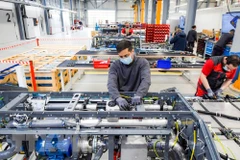
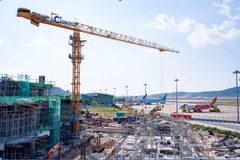
Key areas of Czech strength include energy, locomotives and railcars, buses, trams, agricultural machinery, and irrigation equipment. Notable projects include a 450 million USD joint venture between SKODA Auto and Vietnam's Thanh Cong Group to produce automobiles in Quang Ninh province, and Sev.en Global Investment’s acquisition of a 51% stake in the Mong Duong 2 coal-fired power plant.
In contrast, Vietnam has four investment projects amounting to 1.5 million USD in the Czech Republic.
Tapping advantages
Nguyen Thi Hong Thuy, Commercial Counselor at the Vietnamese Embassy in the Czech Republic, underscored the solid growth in trade and investment cooperation, driven by long-standing ties and the crucial role of the overseas Vietnamese community.
Beyond key currency earners like phones, computers, apparel and footwear, primarily driven by foreign-invested enterprises, Vietnamese products are gaining traction, including fresh fruits, processed grain products under Chapter 19 of Vietnam’s preferential export tariff schedule, tea, and coffee which have entered the top 10 fastest-growing export categories.
Czech companies specialising in thermal power, environmental solutions, mining, specialised vehicle manufacturing, and weapon production are showing heightened interest in the Vietnamese market. Prominent names include Enelex, ARMEX Group, and CSG Group.
According to Thuy, the biggest challenge facing Vietnamese exports is the increasing number of technical barriers imposed by the EU, especially for agricultural products, frequently consumed food items, and high-value goods such as bird’s nest, medicinal herbs, and cordyceps.
In response, the MoIT and the Government’s negotiation team are working closely with domestic agencies to negotiate the removal of such barriers, aiming to diversify Vietnamese export portfolios and tap into broader market opportunities.
Visiting the Hanoi Beer-Alcohol-Beverage Joint Stock Corporation (HABECO), Minister of Agriculture of the Czech Republic Marek Výborný highlighted the strong potential of bilateral coordination in agro-food sector.
The MoIT encouraged both sides to explore deeper investment cooperation, especially in developing Vietnam’s supporting and foundational sectors such as machinery, manufacturing, new materials, metallurgy, and chemicals. It called for greater efforts to attract Czech investors in the energy sector. Special emphasis should also be placed on maximising opportunities for the Vietnamese community in the Czech Republic.
To effectively realise the agreements outlined in the 7th session of the Vietnam-Czech Republic Inter-Governmental Committee on Economic Cooperation, both countries are set to hold the 8th session in the first quarter in Hanoi, which will also see the inauguration of the Škoda automobile assembly plant in Quang Ninh./.