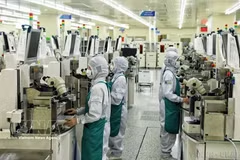
The pharmaceutical industry wants tomeet 60 percent of market demand by 2010 by producing specialisedmedicine and improving its distribution network, according to the DrugAdministration Department.
Most drugs produced locally are low-priced generic products, the department said.
With a population of more than 80 million, industry representatives said the potential for growth was high.
The industry expects to sell between 12 and 15 USD worth of drugs per capita by 2010.
Domestic pharmaceutical companies have had difficulty competing withforeign rivals companies because the former are unable to comply withWorld Trade Organisation regulations.
Industry experts said local companies should adhere to GoodManufacturing Practices (GMP), a manufacturing and quality controlstandard recognised worldwide.
To maintain market share, pharmaceutical authorities have recommendedthat the industry produce specialised medicine for the treatment ofpneumonia, heart disease, rheumatism and diabetes.
Although there is a retail sales network of 40,000 pharmaciesnationwide, the shops fail to market their brand or trademark, expertshave said.
Bui Quoc Trung, deputy head of the Ministry of Planning andInvestment’s Foreign Investment Agency, said domestic pharmaceuticalcompanies were currently working with foreign companies to learn aboutnew technologies and enlarge distribution network.
Le Van Dung, director general of Vien Dong Joint Stock PharmaceuticalsCo, said he had signed contracts to be the sole distributor ofpharmaceutical products produced by foreign companies such as GLCorporation of the Republic of Korea , Sopharma of Bulgaria and OraSureTech Inc of the US .
According to the ministry, 800 pharmaceutical companies are registeredto produce and trade in drugs, including 440 foreign companies.
Foreign investors have shifted from building plants to distributingdrugs, while domestic pharmaceutical companies produce as well asdistribute drugs.
Domestic companies currently meet 53 percent of the demand for drugs, while importers account for the remaining 47 percent./.