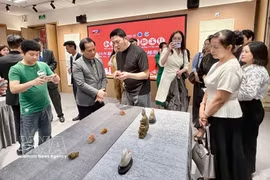
Hanoi (VNA) – Hanoi has unveiled nine new tourism destinations under the theme “Green Tourism Journeys,” developed in harmony with nature conservation, cultural heritage preservation, community responsibility and sustainable growth.
The new offerings include three tourism products and six destinations and routes officially recognised by the Municipal People’s Committee.
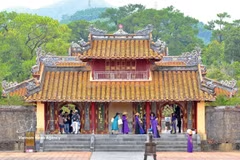
Among the highlights is the “Path of Learning” at Ha Mo tourism site in O Dien commune. The experience combines heritage exploration with educational values, taking visitors on a voyage through time, from ancient Thang Long to the Temple of Literature and the Van Hien Temple, where they can explore the legacy of the Ly Dynasty (1009-1225) and the distinguished scholars who laid the foundations for the flourishing educational tradition of Dai Viet.
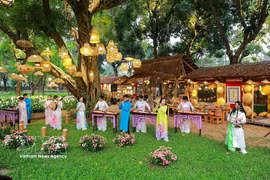
Another new product, “Sac hoa Tuong Phieu” (Tuong Phieu in Bloom) in Phuc Tho commune, introduces visitors to the charm of northern Vietnamese rural life. The experience features flower gardens, fruit orchards, traditional village festivals and cultural works that reflect the architecture, customs and spiritual life of the former Doai Land.
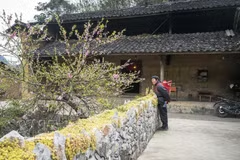
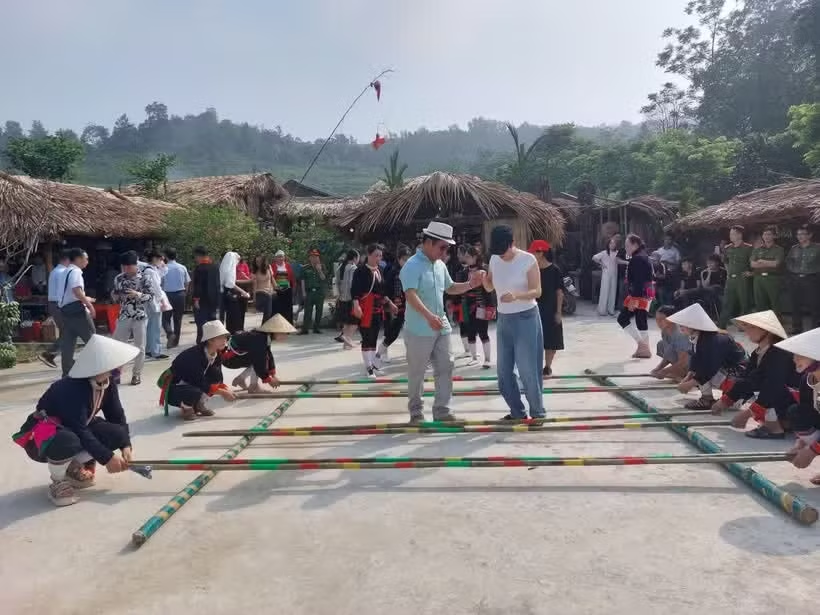
Meanwhile, the community-based tourism destination at Mien hamlet in Ba Vi commune promotes wellness and cultural discovery under the theme “Healing – Tranquillity – Wisdom.” Visitors can explore the traditions of the Dao Quan Chet ethnic group, experience herbal baths and traditional medicinal practices, and learn about local crafts and rituals that have been preserved for generations.
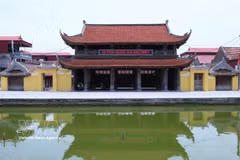
The “Southern Thang Long Heritage Road” route is the first itinerary linking central Hanoi with the city’s southern suburban areas. It features three journeys, including a visit to Noi Binh Da communal house (Binh Minh commune), a site dedicated to Lac Long Quan, the legendary progenitor of the Vietnamese people. The two remaining stops include Quang Phu Cau incense village, famous for its vibrant displays of incense sticks and handicraft experiences, and Phung Xa weaving village, where visitors can learn about silk and textile production.
Another route, themed “The Essence of Vietnamese Craft Villages,” highlights traditional lacquerware, wine-making, paper craft and tailoring villages, showcasing the creativity and craftsmanship of local artisans. Accordingly, visitors will be taken to Lau wine-making village in Dai Thanh commune, Phuc Am paper craft village in Ngoc Hoi commune, Ha Thai lacquerware village in Hong Van commune, and Cuu tailoring village in Chuyen My commune.
In addition to cultural and craft tourism, Hanoi is promoting eco-tourism through destinations such as the Hanoi Botanical Garden in Tay Tuu ward. The site serves as a green oasis within the urban landscape and contributes to biodiversity conservation while offering recreational and educational opportunities for residents and visitors.
Other newly recognised destinations include Thiet Ung woodcraft village, known for its fine woodworking traditions, and Thuy Lam tourism site, home to the historic Sai Temple and the renowned Dao Thuc water puppet troupe.
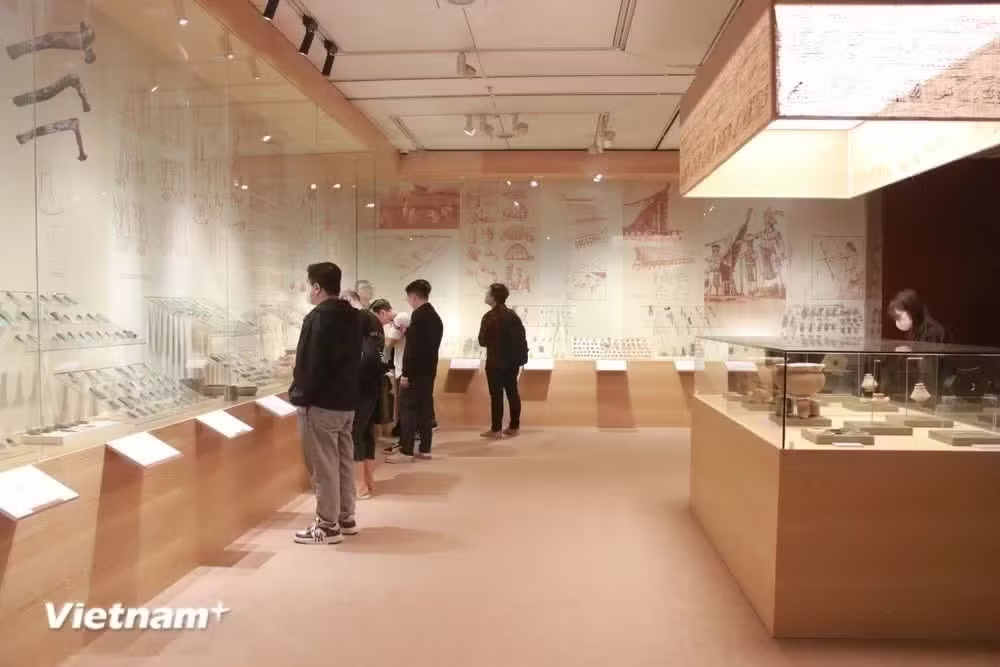
The Hanoi Museum has also been included among the city’s key tourism attractions. Inspired by the architectural symbolism of the One Pillar Pagoda, the museum houses more than 70,000 artifacts and documents, including six groups of national treasures. Its modern exhibition spaces present the history and development of the capital through a series of thematic displays.
According to Tran Trung Hieu, Deputy Director of the Municipal Department of Tourism, the newly launched products and destinations reflect the city’s strategy of promoting cultural values while creating innovative tourism experiences. The initiative is expected to strengthen the capital city’s appeal as a leading destination that combines heritage, creativity, and sustainability./.