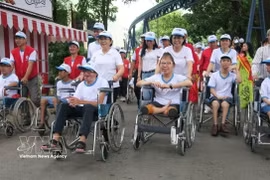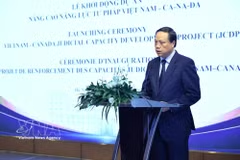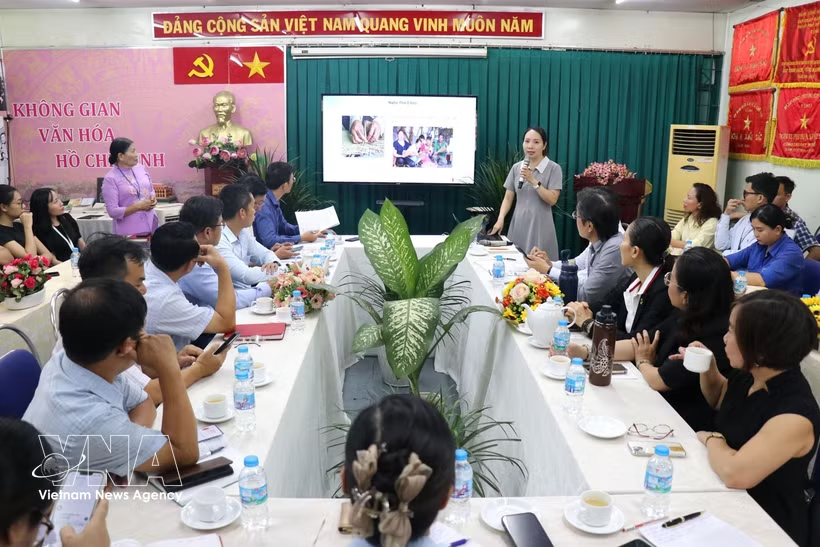
Ho Chi Minh City (VNA) - The Ho Chi Minh City Child Welfare Association (HCWA) and Save the Children on May 28 launched a conference to scale up vocational training and job opportunities for disabled children and young people over 2026-2028, part of a wider social support push in Vietnam’s southern metropolis.
Nguyen Ngoc Hang from Save the Children said children and young people with disabilities have long received backing from the Party, State and local authorities through policies on education, daily life and personal development. Against that backdrop, the scheme is designed to make them “professionally competent, highly skilled and immediately employable” via partnerships between vocational training establishments and enterprises.
In the initial phase, it will target those with physical disabilities and hearing impairments, helping them access occupations suited to their abilities while equipping them with soft skills, professional attitudes and direct exposure to companies during training. Systematic training and equal opportunities, Hang said, are what it takes to succeed in the workplace.
Bui Thanh Tuan, Director of the Ho Chi Minh City Centre for vocational training and employment support for the physically handicapped, said the centre’s core duties cover cultural education, vocational training and job placement for the disabled, with all costs borne by the State.
The biggest obstacle, he noted, is that most trainees are classified as severely or especially severely disabled, with a relatively high share experiencing intellectual disabilities. As a result, training demands patience, flexibility and tight coordination among families, schools and businesses.
To widen the employment pipeline, he said the centre has rolled out cooperation models with enterprises, hotels and vocational organisations for internships, apprenticeships and post-training hiring. Several large companies, hotels and professional associations have provided hands-on workplace training for the disabled. The centre has also introduced mobile training models at specialised schools and continues to run hybrid job-matching platforms to connect companies with suitable workers.
Drawing on international experience, HCWA Vice Chairman Dang Hoa Nam stressed that bringing businesses into vocational training, internships and recruitment from the outset is the decisive factor for long-term impact. He called for more amendments to the Law on Persons with Disabilities to offer stronger incentives to firms that train and hire disabled workers, while pushing faster digital transformation in job matching and vocational training.
Participants discussed ways to raise the quality of vocational training, bridge the gap to employment and advance social inclusion for those with disabilities./.