Jakarta (VNA) – Indonesia’s economy is projected to expand 5.05% in the first quarter of 2026, supported by positive impacts from the Ramadan and Idul Fitri (Eid) festive season, according to the Centre of Economic and Law Studies (Celios).
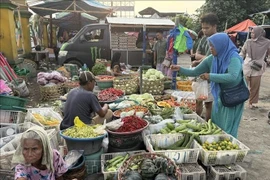
As the world’s largest Muslim-majority nation, Indonesia has just concluded the Eid holiday, the peak period for consumption and travel each year. Millions of people return to their hometowns (mudik) or travel with their families, while workers receive the Eid bonus (THR), typically equivalent to one month’s salary. These factors help boost household spending, the main driver of GDP growth.
Celios Executive Director Bhima Yudhistira said that actual growth could be higher if not for certain risks. He noted that many households remain cautious about spending due to concerns over possible increases in energy and food prices after the holiday, which may partly dampen consumption recovery.
The labour market also remains a bottleneck. Job opportunities in major urban areas are still limited, while many jobseekers migrate to cities during the Eid period. Therefore, the government needs to accelerate job creation and expand economic opportunities in emerging growth centres.
Celios also highlighted the role of tourism. Seasonal waves of homebound travel and domestic tourism provide a significant boost to the sector. However, in the long term, Indonesia needs to further promote new destinations and encourage longer visitor stays to maximise economic benefits.
The Indonesian government has set a growth target of 5.5–5.6% for the first quarter of 2026. To support consumption and tourism during Eid, the country introduced an economic stimulus package worth 911.16 billion IDR (around 54 million USD), including travel discounts and spending support programmes funded by the state budget and other financial sources.
Analysts said the festive-season effect will continue to play an important role in Indonesia’s growth structure, but sustaining momentum after the holiday will depend on inflation control and improvements in labour market conditions in the coming quarters./.