Bangkok (VNA) – The Thai Government is intensifying price controls and planning to expand controlled goods to help ease the cost of living for the people amid the tensions in the Middle East.
Speaking after a special cabinet meeting on the conflict’s repercussions, Commerce Minister Suphajee Suthumpun said prices of key consumer staples, including canned fish, instant noodles, powdered milk and fresh milk, will remain unchanged as producers still have sufficient inventories.
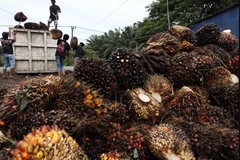
According to the minister, producers of these goods must obtain approval from the Department of Internal Trade under the Ministry of Commerce before implementing any price increases. The ministry will also expand price-stabilisation measures to cover additional products such as palm oil, toilet paper, tissue products, shampoo, detergents, dishwashing liquid, napkins and soap.
As many as 59 categories of goods are currently included on the ministry’s price-control list, Suphajee noted, saying that for certain items, producers may adjust prices but are required to provide prior notification.
The minister added that for products not subject to price controls, the ministry and major producers plan to offer special discount programmes through wholesalers and retailers to help ease consumer expenses.
In parallel, the Ministry of Commerce is working with the Ministry of Agriculture and Cooperatives to help farmers manage rising costs by promoting the use of organic fertilisers and domestically sourced chemical fertilisers.
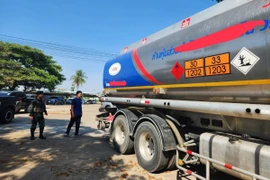
Earlier, Deputy Prime Minister and Finance Minister Ekniti Nitithanprapas announced that the government will end its fuel price freeze, which had been introduced to cushion consumers from rising energy costs linked to the Middle East conflict. Instead, authorities will provide targeted assistance to groups most heavily affected, including farmers, fishermen and drivers.
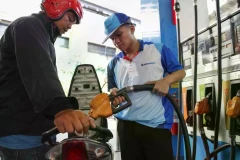
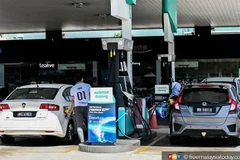
Following the decision, retail prices of petrol and diesel in Thailand rose sharply on March 26 morning, with diesel recording the steepest increase at 18%./.
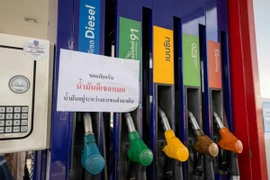
Thailand changes its approach to dealing with fuel crisis
After scrapping the fuel price cap, state assistance will be directed to the poor, as well as drivers, farmers, fishermen, contractors, and operators in sectors directly affected by the energy crisis.