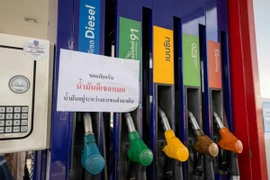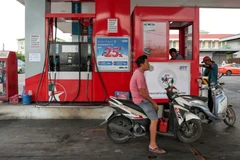
Bangkok (VNA) – The Thai Government has approved seven urgent measures to mitigate the impact of the ongoing energy crisis following a sharp rise in fuel prices.
Prime Minister Anutin Charnvirakul on March 26 chaired a special Cabinet meeting to seek measures responding to the ongoing energy crisis.
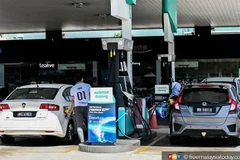
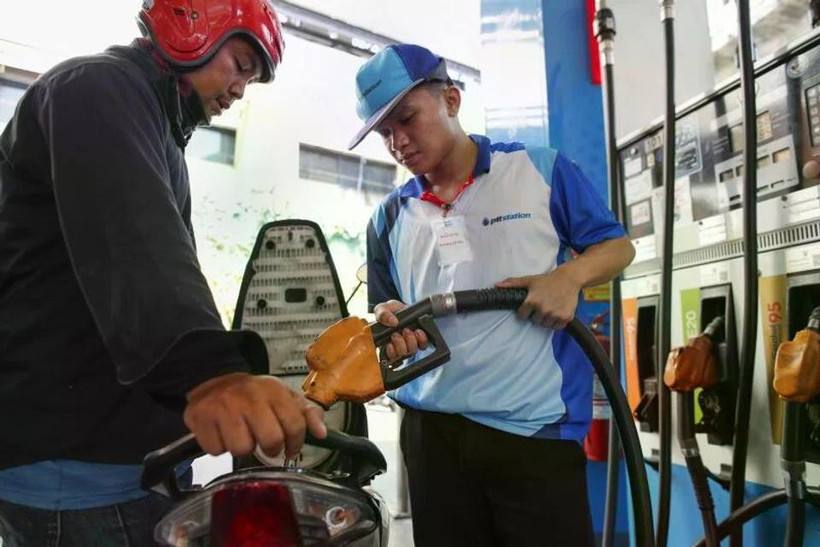
The meeting was held after the Fuel Fund Management Committee raised petrol and diesel prices by 6 THB (0.18 USD) per litre the same day, triggering widespread concern.
Speaking to the press after the meeting, Permanent Secretary for Finance Lavaron Saengsnit said the Cabinet approved seven measures.
Key steps include a review of fuel excise tax reductions, covering both the level and duration of tax cuts. Financial support for vulnerable groups will be increased through the state welfare card scheme, with monthly assistance rising from 300 THB (0.91 USD) to 400 THB (1.21 USD) per person for one month. The extension of this measure will be considered after a new government is formed.
The government will also provide support for the transport sector, including trucks, buses and motorcycle taxis. Farmers will receive assistance through the Ministry of Commerce’s “Green Flag” fertiliser programme, combined with subsidies and the “Good Soil Card” initiative to reduce agricultural costs and promote the use of alternative or organic fertilisers.
In addition, the fisheries sector will be encouraged to use B20 diesel, which is 5–6 THB per litre cheaper than conventional fuel. Support will also be extended to state contractors through flexible project inspection timelines on a case-by-case basis.
To assist businesses, particularly small and medium-sized enterprises (SMEs), the Government Savings Bank will allocate 10 billion THB (303 million USD) in soft loans to improve liquidity across supply chains affected by rising energy costs.
Meanwhile, Permanent Secretary for Energy Prasert Sinsukprasert said fuel prices could fluctuate depending on global market conditions. While concerns have been raised that prices may reach 50 THB per litre, he noted that future movements would depend on how the situation evolves./.