Overseas Vietnamese scholar sees Vietnam as model for sustainable growth

As Vietnam moves toward a new era of national rise, the lessons drawn from the country’s historic journey toward reunification remain deeply relevant in navigating the challenges of digital transformation and the Fourth Industrial Revolution.

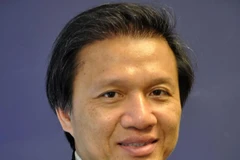
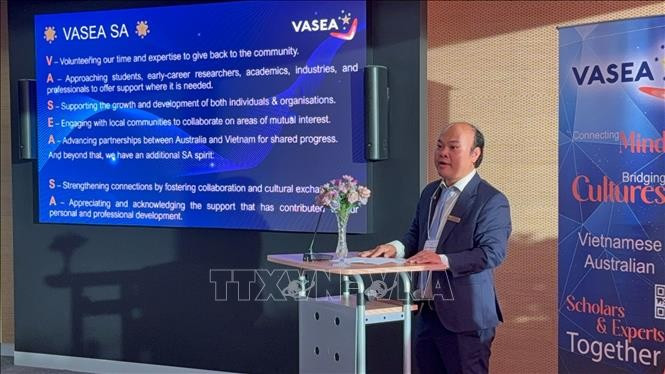
Dr. Nam Nghiep Tran, a senior lecturer at the University of Adelaide’s School of Chemical Engineering (Photo: VNA)

Sydney (VNA) – With strong determination, a spirit of innovation, and the unity of Vietnamese people both at home and abroad, coupled with strategic partnerships such as with Australia, Vietnam is poised not only to rise but also to serve as a model for sustainable development in today’s challenging world.

Speaking to a Vietnam News Agency (VNA) correspondent in Australia, Dr. Nam Nghiep Tran, a senior lecturer at the University of Adelaide’s School of Chemical Engineering, shared his optimism about Vietnam’s remarkable transformation in economic, social, and geopolitical terms.

According to Nghiep, Vietnam has transitioned from a centrally planned economy to a socialist-oriented market economy, a challenging journey that has been marked by resilience and determination. Administrative reform policies, investment in education, infrastructure, and digital transformation, and proactive global integration have helped Vietnam emerge from poverty to become a middle-income country and a trusted destination for international investors.

Nghiep, who also serves as President of the South Australia chapter of the Vietnam-Australia Scholars and Experts Association (VASEA), emphasised that national unity has always been a core value of the Vietnamese people and remains essential to the country’s continued development. In a world fractured by geopolitical conflicts and economic crises, he stressed that solidarity is not only a source of internal strength but a strategic necessity.

He called on Vietnamese people worldwide to stand together, not only to safeguard national interests but also to harness the collective power of knowledge, innovation, and entrepreneurial spirit. With a population exceeding 100 million and a youthful workforce, Nghiep believed Vietnam has the potential to strengthen its domestic market and become a vital link in global supply chains.

As Vietnam moves toward a new era of national rise, Nghiep emphasised that the lessons drawn from the country’s historic journey toward reunification remain deeply relevant in navigating the challenges of digital transformation and the Fourth Industrial Revolution.

He pointed to the enduring moral values of diligence, thrift, integrity, and uprightness as essential foundations for sustainable growth in the digital age where transparency in governance, responsible data handling, and efficient use of resources are more important than ever.

Nghiep also highlighted the resilient and proactive spirit that carried Vietnam through wartime hardships, urging that same mindset be applied to mastering emerging technologies such as artificial intelligence and automation. He underscored the importance of STEM education and international collaboration in building a workforce equipped to meet the demands of a rapidly evolving global landscape.

He said the Vietnamese community abroad can play a vital role in developing an innovation-driven ecosystem, through startups, research, and intellectual exchange. Initiatives like VASEA, which connect Vietnamese talent worldwide, are helping channel that collective knowledge back into the country’s development, he added.

Reflecting on the significance of the April 30, 1975 victory, Dr. Nghiep said it offers invaluable lessons for the present.

Foremost is the power of internal strength. With bold, strategic reforms in administrative processes, education, and science and technology, Vietnam is laying the groundwork for a future breakthrough. Continued investment in these pillars will be crucial for long-term development, he said.

To move ahead, strategic foresight is essential, and Vietnam’s government has demonstrated sound policy direction aligned with regional and global dynamics. The development of the digital economy, green transition, innovation, and entrepreneurship are all necessary components of national strength. However, these efforts must be synchronised and sustained, not short-lived campaigns.

As an emerging and globally integrated nation, Vietnam faces both immense opportunities and complex challenges. A diplomatic strategy that is flexible, transparent, and skillfully executed will be vital in safeguarding national interests and contributing to regional peace.

Lastly, Nghiep underscored the need for administrative reform and modern governance. Streamlining apparatus, accelerating digital government transformation, and prioritising citizens and businesses will enhance national competitiveness. These efforts, combined with contributions of overseas Vietnamese, he said, will support Vietnam in solidifying its place in the global economy./.
source

See more

Vietnam’s foreign affairs: 40 years of historic achievements under Party's leadership

Vietnam’s foreign affairs: 40 years of historic achievements under Party's leadership

Vietnam has obtained historic achievements in foreign affairs over 40 years of "Doi moi" (renewal) under the leadership of the Communist Party of Vietnam (CPV), which is set to continue to build on these successes to proactively seize opportunities and surmount challenges to further strengthen diplomatic efforts, thereby safeguarding national interests and affirming Vietnam’s role as a responsible and active member of the international community in an ever-changing world.

NA Vice Chairman Nguyen Duc Hai speaks at the event (Photo: VNA)

NA Vice Chairman inspects election preparations in Ca Mau

National Assembly (NA) Vice Chairman Nguyen Duc Hai, who is also a member of the National Election Council, called on Ca Mau authorities to ensure local communes and wards regularly update and clearly post voter lists as required, ensure timely allocation of funds for the grassroots level, maintain public safety and order, and provide social welfare support for those eligible, especially as the Lunar New Year holiday draws near.

Former Deputy Foreign Minister and former Vietnamese Ambassador to Cambodia Thach Du (Photo: VNA)

Public expectations grow ahead of 14th National Party Congress

The attainments gained over 40 years of Doi moi come as the essence of the perseverance in independence, self-reliance, as well as the solidarity and creativity of the entire nation, said former Deputy Foreign Minister and former Vietnamese Ambassador to Cambodia Thach Du.

National Assembly (NA) Vice Chairman Tran Quang Phuong speaks at the working session with representatives of Quang Tri province. (Photo: VNA)

NA Vice Chairman inspects election preparations in Quang Tri

National Assembly (NA) Vice Chairman Tran Quang Phuong, member of the National Election Council, asked Quang Tri to continue implementing all steps in line with legal regulations, including establishing election teams within the timeframe prescribed in the election law, and organising the 2nd and 3rd consultative conferences to finalise the lists of candidates no later than February 20, 2026.

Politburo member and standing member of the Party Central Committee’s Secretariat Tran Cam Tu speaks at the meeting of the Party Organisation of the VFF and central mass organisations (Photo: VNA)

Fatherland front asked to better serve as political nucleus in strengthening great national unity

The Party Organisation of the Vietnam Fatherland Front and central mass organisations was urged to further enhance effectiveness and innovation, broaden public participation in the great national unity bloc, strengthen the close bond between the Party, local authorities and the people, and make a meaningful contribution to the successful implementation of the 14th National Party Congress’s Resolution and the country’s renewal and development cause.

National Assembly Vice Chairman Nguyen Duc Hai speaks at the January 12 working session to inspect preparations for the elections of deputies to the 16th legislature and People’s Councils at all levels for the 2026-2031 term in the southern province of Ca Mau. (Photo: VNA)

NA Standing Committee inspects election preparations in Ca Mau

In Ca Mau, 13 candidates have been introduced for the National Assembly, 73 for the provincial People’s Council, and 1,469 for commune-level People’s Councils. The provincial election committee has designated five NA constituencies and 18 constituencies for People’s Councils at provincial and commune levels.

Vietnamese association in Thailand elects leadership for 2026–2028 term (Photo: VNA)

Vietnamese community in Thailand elects new executive board for 2026–2028 term

Established in July 2012 under the Thai Government approval, the Association of Vietnamese in Thailand currently has 26 local chapters and a women’s committee, and has played an active role in preserving cultural identity, supporting community development, and fostering people-to-people ties between Vietnam and Thailand.

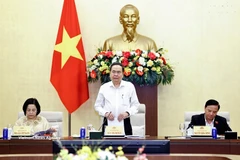
National Assembly Chairman Tran Thanh Man speaks at the event (Photo: VNA)

National Assembly Standing Committee convenes 53rd session

NA Chairman Man said the 53rd session will review and approve two resolutions on specific matters relating to the organisational structure and the contingent of prosecutors of the Supreme People’s Procuracy, as well as consider the NA’s people's aspiration report in December 2025.

Prime Minister Pham Minh Chinh meets with Uruguayan President Yamandú Orsi on the sidelines of the expanded BRICS Summit on July 7, 2025. (Photo: VNA)

Vietnam–Uruguay relations poised for further elevation: Uruguayan Ambassador

Uruguayan Ambassador to Vietnam Raúl Juan Pollak Giampietro noted that although the two countries have yet to formally establish a comprehensive partnership, the foundations of bilateral cooperation have been steadily strengthened and expanded, particularly in the fields of economy and trade, science and technology, agriculture, and people-to-people exchanges.