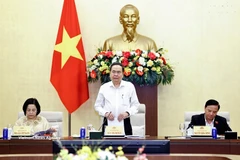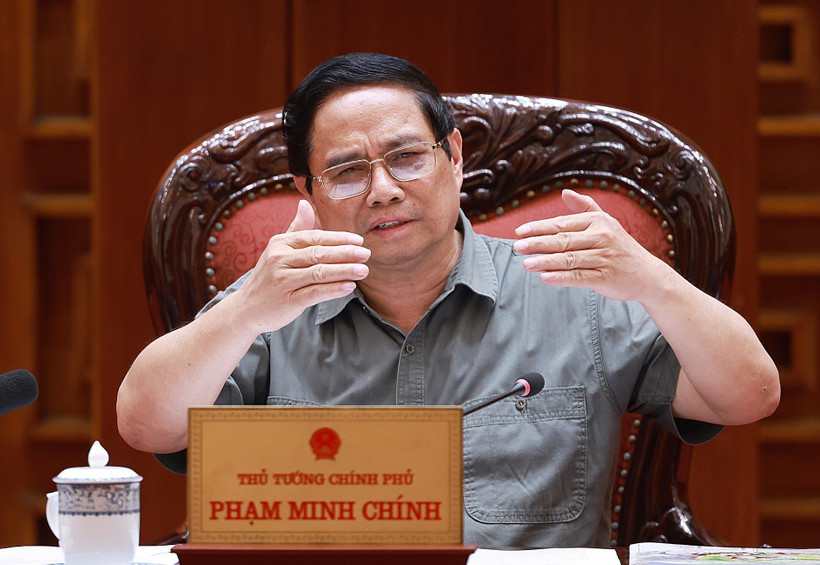
Hanoi (VNA) – Prime Minister Pham Minh Chinh on July 27 chaired a meeting with relevant ministries and agencies on the implementation of a campaign to construct schools and boarding facilities for students and teachers in land border communes across the country.
The meeting followed the Politburo’s Notice No. 81-TB/TW dated July 18, 2025, which outlines the policy on investing in the construction of primary, secondary and high boarding schools in 248 land border communes, with the pilot construction or renovation of 100 schools within 2025.
The PM has directed the Ministries of Education and Training, Construction, Finance, Ethnic and Religious Affairs, and Agriculture and Environment to coordinate with localities to implement the policy.
Key tasks include reviewing current infrastructure, amending relevant regulations, developing school building plans, and mobilising contributions from individuals, businesses, and the wider community. Other priorities involve developing standardised school designs, conducting land surveys, and ensuring adequate water supply, sanitation, and landscaping.
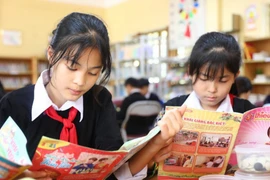
Currently, 248 land border communes across 22 provinces and cities are home to 956 schools, serving over 625,000 students. Of these, more than 332,000 require boarding or semi-boarding arrangements.
To meet this demand, over 6,000 classrooms; nearly 8,000 boarding rooms; around 4,000 kitchens and dining halls, common rooms, and cultural houses; and 3,400 staff quarters need to be built or upgraded.
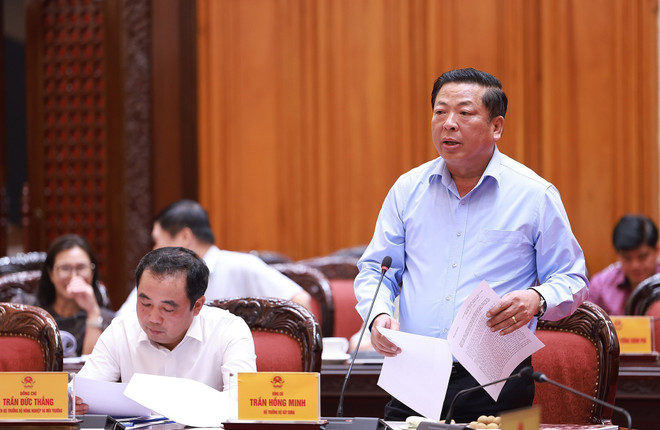
Delegates at the meeting stressed the need to evaluate actual needs in light of recent commune mergers, ensure flexibility in school design and scale, and encourage community contributions. They also called for a simplified, transparent process to expedite implementation while preventing waste and corruption.
Concluding the meeting, PM Chinh underscored that the Politburo’s conclusion represents a major policy of great socio-political meaning. He emphasised the need for swift and bold action to complete the construction of 100 schools by August 30, 2026.
The Ministry of Education and Training was instructed to quickly finalise a draft Government resolution on the programme. Localities were urged to review and plan school locations, ensure sufficient land and access to electricity, water and telecommunications infrastructure, and call on residents to donate land for the construction.
The Ministry of Construction was assigned to design model schools suited to the needs of border students, taking into account local culture, geography and climate conditions.
The Government leader stressed the need for special mechanisms and streamlined procedures to facilitate progress while maintaining strict anti-corruption measures. He called for maximum mobilisation of social resources, with state funding as the main, and urged the military and public security forces, Fatherland Front and mass organisations to join hands in this effort.
The Ministry of Finance needs to allocate investment capital for the initiative, he said, requesting all ministries, agencies and localities to perform the mission with “high determination, great effort, and focused and effective action,” and to ensure “clear assignment of personnel and tasks, clear timelines, clear outcomes, clear responsibilities and clear authority.”/.