Singapore ranks fifth in Global Innovation Index 2025 ranking

Singapore has been ranked fifth among 139 economies in the Global Innovation Index (GII) 2025, marking the third consecutive year it has remained in the top five.

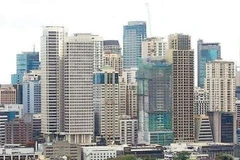
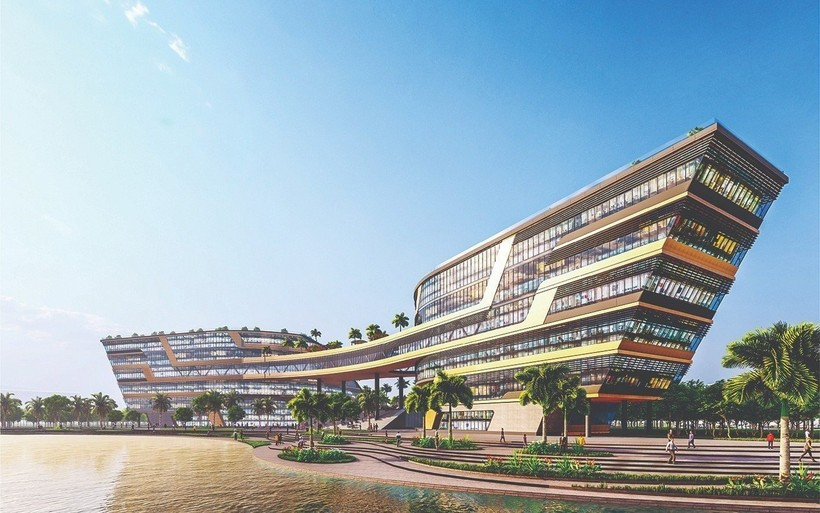
Illustrative Image (Photo : NIC)

Singapore (VNA) – Singapore has been ranked fifth among 139 economies in the Global Innovation Index (GII) 2025, marking the third consecutive year it has remained in the top five.

It also secured 2nd place in the Southeast Asia, East Asia and Oceania (SEAO) region.

For the second year running, Singapore recorded the highest number of top-ranked indicators, leading 10 out of 78 GII indicators. The GII, published annually by the World Intellectual Property Organisation (WIPO), assesses economies based on innovation inputs such as institutions, human capital, infrastructure, market and business sophistication; and innovation outputs, including knowledge, technology, and creative products.

Singapore retained its top position in innovation inputs for the 15th consecutive year, ranking first in institutions, second in human capital and research, and third in business sophistication. Key strengths include government effectiveness, policy stability, and net FDI inflows.

Notably, Singapore rose two places to 9th in innovation outputs, its highest in over a decade. It climbed to seventh in knowledge and technology outputs and 15th in creative outputs, driven by advances in high-tech manufacturing, unicorn valuation, cultural and creative exports, as well as stronger intangible assets and brand value.

This year’s GII tracked innovation performance across 139 economies using 78 indicators from international public and private sources./.
VNA

See more

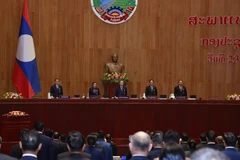
Lao National Assembly has approved in-principle a railway project linking Thakhek township in Khammouane province of Laos and the Mu Gia border gate in Vietnam’s Quang Binh province (Photo: kpl.gov.la)

Laos pushes rail link with Vietnam

The project is seen as a strategic step to help transform Laos from a landlocked country into one better connected to regional and global markets via the East–West Economic Corridor.

Malaysia rolls out measures to reduce healthcare costs

Malaysia rolls out measures to reduce healthcare costs

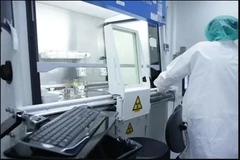
A report by BMI, a market research firm under Fitch Solutions, indicates that the focus of this policy is to increase the share of domestically produced medical products and establish a legal framework that prioritises essential medicines, especially generic drugs and biosimilars.

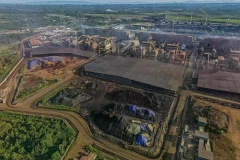
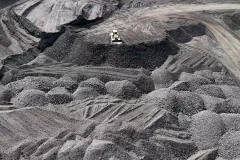
An aerial photo shows heavy vehicles and machinery being operated to collect coal along the coast of Peunaga Cut Ujong, Meureubo district, Aceh, on January 9, 2026. (Photo: Antara)

Indonesia plans coal export tax from April

The planned levy comes as Indonesia faces mounting fiscal pressure from higher global oil prices, which are driving up energy subsidy costs and raising the risk of a wider budget deficit.

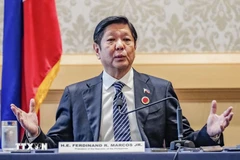
Philippine President Ferdinand Romualdez Marcos Jr. (Photo: Kyodo/VNA)

ASEAN leaders to discuss oil, food and migrant labour

The Philippines holds the ASEAN Chairmanship in 2026 under the theme “Navigating our future, together,” with three key priorities: strengthening peace and security, enhancing economic connectivity, and empowering people.

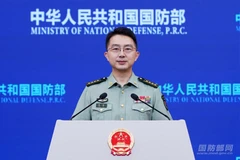
Spokesperson of the Chinese Ministry of National Defence and Deputy Director-General of its Information Office Col. Jiang Bin. (Photo: VNA)

China, Vietnam bolster military cooperation

Colonel Jiang Bin, spokesperson of the Chinese Ministry of National Defence and Deputy Director-General of its Information Office, described China-Vietnam ties as “profound”, noting the two countries are socialist neighbours working to build a China-Vietnam Community with a shared future of strategic significance. Military exchanges and collaboration have broadened in recent years, with new strides in high-level visits, joint training and border defence cooperation, he added.