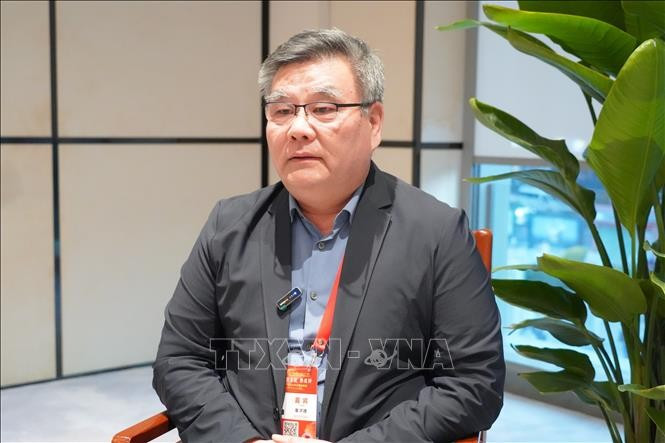
Beijing (VNA) – Economic ties between Vietnam and China have expanded at an unprecedented pace in recent years, becoming one of the key drivers of cooperation between China and the Association of Southeast Asian Nations (ASEAN), according to Professor Cui Hongjian from the Academy of Regional and Global Governance at the Beijing Foreign Studies University.
He stressed that Vietnam is not only a major trading partner but also a vital link in the regional supply chain.
Reviewing more than two decades since the signing of the China – ASEAN Free Trade Area (CAFTA) agreement, Cui said bilateral trade has grown remarkably. From over 40 billion USD in 2000, China – ASEAN trade has surged nearly 25-fold to 980 billion USD in 2024 and is expected to exceed 1 trillion USD in 2025.
Among ASEAN members, Vietnam stands out thanks to its dynamic economy and rapid industrialisation. Bilateral trade between Vietnam and China reached 260 billion USD in 2023, accounting for roughly 25% of total China – ASEAN trade.
According to Cui, Vietnam has become an “indispensable partner” in China’s production and trade network across Southeast Asia.
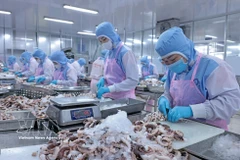
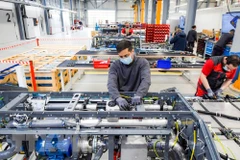
He noted that Vietnam possesses numerous advantages, including a population of nearly 100 million, a young and cost-effective workforce, and a fast-growing export-oriented economic model. The country is deeply integrated into global supply chains in electronics, textile – garment, component manufacturing, wood processing and, more recently, renewable energy.
The professor noted Vietnam’s per-capita GDP has grown to around 4,500 USD over the past decade, which he considered “a remarkable achievement”. This progress is inseparable from regional cooperation frameworks such as CAFTA and the Regional Comprehensive Economic Partnership (RCEP), which have strengthened infrastructure connectivity, trade policy coordination, and business collaboration between Vietnam and China, creating favourable conditions for bilateral trade to accelerate.
He underscored the structural complementarity between the two economies. Vietnam undertakes labour-intensive assembly stages while China supplies raw materials, high-tech components and supporting infrastructure. This is a mutually beneficial two-way relationship that will continue to deepen under the RCEP, the world’s largest unified market, he opined.
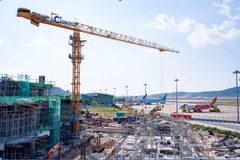
Vietnam has also become a priority destination for international investors, particularly in electronics, high technology, logistics, energy and textiles. However, infrastructure remains a major bottleneck, he noted.
The expert highlighted significant potential for Vietnam – China cooperation in infrastructure development, especially after the recent state visit to Vietnam by Party General Secretary and President of China Xi Jinping, during which both sides agreed to accelerate cross-border railway connectivity. Road transport, seaports, energy and logistics are also seen as promising drivers for future economic growth./.
Vietnam, China strengthen solidarity, friendship
The VFF Central Committee and the CPPCC National Committee have maintained many years of sincere and effective cooperation, with regular high-level exchanges and joint workshops on experience-sharing, as well as various people-to-people activities.