World Tourism Day: Vietnam advances green, sustainable tourism

Vietnam, blessed with abundant natural and cultural assets, is working to adopt greener practices to secure long-term growth and strengthen its position on the global tourism map.

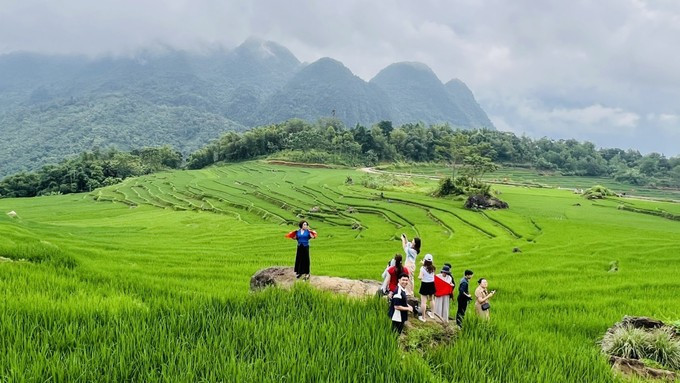
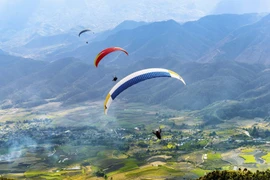
Pu Luong community tourism area in Thanh Hoa province attracts domestic and international tourists (Photo: VNA)

Hanoi (VNA) – As the world marks World Tourism Day 2025 with the theme “Tourism and Sustainable Transformation,” Vietnam is pushing ahead with a bold shift toward green, innovative and sustainable tourism.

Every year on September 27, the world celebrates World Tourism Day, an initiative of the United Nations World Tourism Organisation (UNWTO) that honours tourism’s role in economic, cultural and social development. The 2025 theme “Tourism and Sustainable Transformation” underscores the urgent need for the sector to grow responsibly, adapt to climate change, and protect the environment.

As climate change, pollution, and overcrowding increasingly affect destinations, sustainable development is no longer optional but a necessity. Vietnam, blessed with abundant natural and cultural assets, is working to adopt greener practices to secure long-term growth and strengthen its position on the global tourism map.

Many iconic sites such as Ha Long Bay, Phu Quoc Island, Hoi An Ancient Town, and the Mekong Delta’s eco-zones are under pressure from seasonal tourist overload, plastic waste, and ecological imbalance. Experts warn that without sustainable management, these places risk losing their appeal while local communities miss out on fair benefits.

UN Secretary-General António Guterres has stressed that tourism is a powerful driver of transformation. It creates jobs, fuels local economies, supports infrastructure and contributes to development far beyond GDP.

Tourism strengthens bonds between people and places. It builds bridges across cultures, preserves traditions and restores cultural heritage. Yet tourism can also damage the very places and communities it celebrates.

“As the world faces climate breakdown and rising inequalities, we need bold, urgent, and sustainable action that puts people and planet first,” he said.

Vietnamese leaders echo this message. At the 19th Ho Chi Minh City International Travel Expo earlier this month, Deputy Prime Minister Mai Van Chinh said the country must move beyond growth at all costs to sustainable development, viewing tourism not just as a service industry but as a creative economy that links culture, environment and business.

He underlined the need to improve regulations, encourage innovation, promote digital transformation and green transition, and apply smart governance to build a modern tourism ecosystem. Vietnam, he added, should adopt a green tourism code of practice, foster regional and sectoral linkages, and connect tourism with agriculture, culture, science and technology.

This orientation has quickly translated into action. The Vietnam National Authority of Tourism (VNAT) has guided localities to hold meaningful activities for World Tourism Day, emphasising eco-friendly, cultural and community-based models.

VNAT has also launched “Visit Vietnam”, a national digital tourism ecosystem featuring a virtual assistant, destination information, and service platforms. This innovation marks a step forward in smart, sustainable management, reducing waste and environmental impacts.

According to VNAT Chairman Nguyen Trung Khanh, the agency will focus on quality and professionalism, developing signature tourism products such as luxury resorts, wellness retreats, agro- and eco-tourism, adventure travel, culinary and medical tourism. Vietnam aims to position itself as a world-class destination while showcasing its heritage and cultural identity.

hoi-cho-quoc-te.jpg
Deputy Prime Minister Mai Van Chinh (centre) visits a booth at Vietnam International Sourcing Expo 2025. (Photo: VNA)

The media campaign “Travel to Love” calls on travelers to love Vietnam’s nature, culture and people while practicing responsible tourism. On September 27, the Vietnam Tourism Awards 2025 will be presented, with new categories recognising pioneers in green and sustainable tourism. Companies adopting eco-friendly technology, creating community-linked products, and reducing environmental impacts will be honoured.

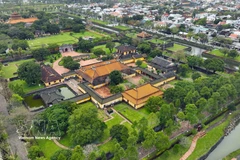
Localities are also tailoring solutions to their strengths. The northern province of Lao Cai promotes ethnic community tourism in mountain ecosystems; the southernmost province of Ca Mau develops mangrove eco-tourism; and the central city of Hue combines heritage conservation with traditional cultural performances to create sustainable heritage tourism.

According to a report by tourism platform Booking.com, Vietnamese travelers themselves are increasingly aware of their environmental footprint. The report found that 41% of Vietnamese tourists consider reducing single-use plastic their top sustainability priority.

This year, 58% aim to adopt eco-friendly habits such as recycling and rejecting disposable items, compared to 2024 when energy saving ranked highest. Over 60% said sustainability is now their main criterion for choosing destinations, while 90% plan to travel more sustainably in the coming year.

The theme “Tourism and Sustainable Transformation” is more than a reminder. It is a call for bold action. Green transition cannot stop at slogans or short-term campaigns but requires long-term commitment from government, businesses and travelers alike.

As the world pivots to greener growth, Vietnam faces both opportunities and challenges to reshape its development model. From national policies to local initiatives, the country is taking steady steps to align tourism with environment, humans and lasting benefits./.

VNA

See more

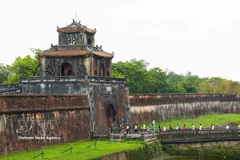
Tourists at the Hue Imperial Citadel (Photo: VNA)

Tourist arrivals in Hue surge, further growth expected

During the period, the city has welcomed more than 1.9 million visitors, up 31.3% year-on-year. Of the total, international arrivals exceeded 843,000, rising 26.7%, while domestic visitors reached over 1.05 million, up 35.2% compared with the same period last year.

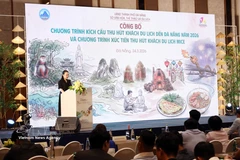
Deputy Director of Da Nang’s Department of Culture, Sports and Tourism Nguyen Thi Hoai An speaks at the event. (Photo: VNA)

Da Nang launches 2026 tourism stimulus, MICE promotion programmes

The city targets welcoming around 19.1 million visitors in 2026, including 8.7 million international arrivals. It expects that synchronised stimulus and promotion efforts will enhance visitor experience, add value, and foster sustainable tourism development

Vietnam saw a 22% rise in tourist numbers last year – and is showing no signs of wanting the growth to slow (Photo: telegraph.co.uk)

Vietnam praised as a welcoming destination for global travellers

From the otherworldly Ha Long Bay with its sprinkling of column-like islands, to the delicious cacophony of Ho Chi Minh City’s food markets, Vietnam is too often overlooked in favour of its larger neighbour Thailand, despite offering more competitive prices.

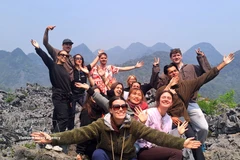
Foreign tourists excited by Ha Giang travel experiences. (Photo: VNA)

Ha Giang, Hoi An gain global spotlight in Time Out’s 2026 rankings

If Ha Giang represents the beauty of space, Hoi An embodies the beauty of time. Ha Giang evokes both geological grandeur and human stories while the ancient town stands out not only for its distinctive visual charm but also for its vibrant living environment and its rare ability to preserve a natural connection between heritage and contemporary life.

Dien Tho Palace (within the Complex of Hue Monuments) serves as the residence of the Empress Dowagers and Grand Empress Dowagers during this period. It is one of the distinctive architectural structures that has remained almost intact to the present day. (Photo: VNA)

Hue awakens heritage through community strength

The city is now shifting its development strategy to focus on the community, empowering local residents to become true guardians of heritage by preserving, creating, and directly enjoying the benefits of their cultural legacy.

Korean tourists on Ho Chi Minh City's book street (Photo: VNA)

Vietnamese destinations attracting Korean visitors amid “micro-trip” trend

Last year, Vietnam welcomed more than 4.3 million Korean visitors out of a total of nearly 29.6 million Koreans traveling abroad. This volume significantly outpaces Korean arrivals to neighbouring competitors like Thailand, Singapore, and the Philippines, cementing Vietnam’s status as a premier regional hub for East Asian tourism.

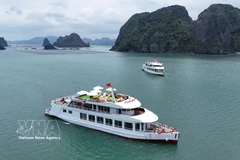
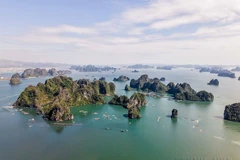
Ha Long Bay, located in northeast Vietnam, is beloved for its blue waters and spread of limestone islands - all occupied by tropical trees and wildlife. (Photo: VNA)

Vietnam named among world’s 28 most beautiful countries

In its latest list, the US-based magazine noted that while cities like Hanoi and Ho Chi Minh City attract millions of visitors each year, Vietnam’s true allure lies in its diverse natural landscapes and immersive travel experiences. The country, it said, is “a haven for outdoor enthusiasts” and anyone drawn to scenic beauty.

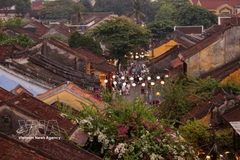
The enduring appeal of Hoi An's heritage lies not in static structures, but in its vibrant presence in everyday life. (Photo: VNA)

Hoi An, Da Nang Int’l Airport named among world’s best

Hoi An has been named among “The 51 most beautiful places in the world” by British magazine Time Out, while Da Nang International Airport has, for the third consecutive year, secured a place in the world’s Top 100 airports by Skytrax.

French tourists learn about Vietnamese tourism at the 49th World Travel Fair held in Paris (Photo: VNA)

Vietnam refines tourism promotion strategy to elevate national brand

At the fair, Vietnam’s pavilion drew strong interest from travel businesses, experts, and European visitors. According to organisers, Vietnam, along with Japan and Thailand, was among the Asian countries most searched for by French tourists, reflecting growing European attention to Southeast Asia and Vietnam.

International tourists visit the historical sites of the Dinh and Le Kings' temples in the ancient capital of Hoa Lu, Ninh Binh province (Photo: VNA)

Vietnam sees surge in foreign tourist arrivals, driven by safe destination image

Tourism experts attributed the strong growth to a combination of factors, including more open visa policies, diversified tourism products, and intensified promotion activities. Vietnam’s growing reputation as a safe and friendly destination has also played a significant role in attracting international travellers.

Through the lens of Travel + Leisure, Phu Quoc emerges as an open-air showcase of global architecture

US magazine calls Phu Quoc “a global showcase for architecture”

In a fresh perspective on the island, Travel + Leisure moves beyond beaches and resorts to spotlight Phu Quoc’s evolving identity. The magazine highlights how internationally inspired architectural works are increasingly shaping the destination, forming a new tourism character.

Unlocking tourism potential of Hoi An’s southern coastline

Unlocking tourism potential of Hoi An’s southern coastline

The central city of Da Nang possesses nearly 200km of coastline – the longest in Vietnam, with scenic landscapes and favourable natural conditions for tourism and service development. However, only about half of this coastline has been utilised for tourism activities, mainly concentrated in central Da Nang and Hoi An Ancient Town. Large stretches of coastline south of Hoi An remain largely untouched, holding significant potential for future development.