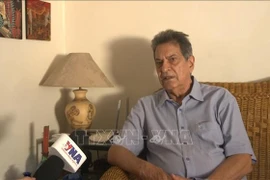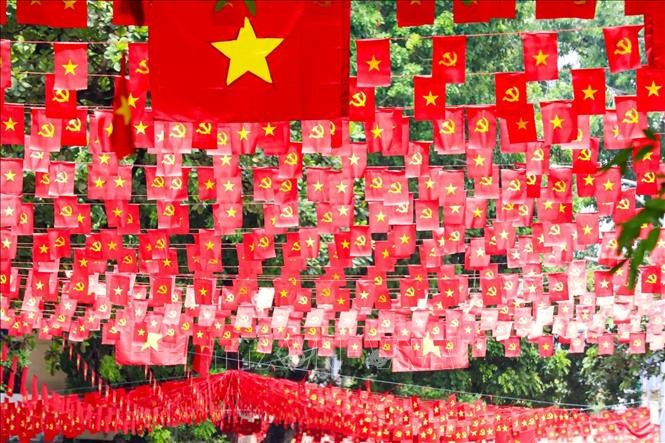
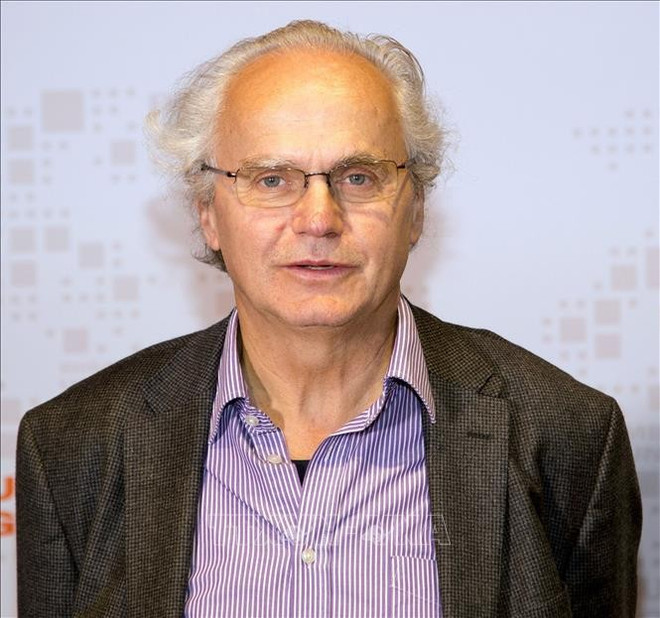
Berlin (VNA) – The success of Vietnam’s August Revolution was a “beacon of hope” for those resisting imperialism worldwide, Prof. Dr. Michael Brie, a German philosopher and social scientist, told the Vietnam News Agency on the occasion of the 80th anniversary of the revolution (August 19, 1945–2025) and the National Day of Vietnam (September 2, 1945–2025).
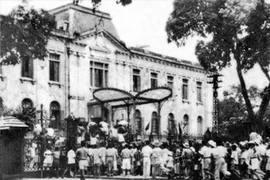
Brie affirmed that the August Revolution was a historic turning point not only for Vietnam but also for colonised nations across the globe. It marked the moment when the Vietnamese people, under the leadership of President Ho Chi Minh, won independence and ended nearly a century of the colonial rule. For the first time, Vietnam appeared on the world map as a sovereign state, delivering a powerful message to the oppressed peoples everywhere that liberation was within reach.
He highlighted that the revolution held enormous historical values, reflecting the victory of the national solidarity, the undauntedness, and people's will to determine their own destiny. On the global scale, it inspired anti-colonialist movements and contributed to the decolonisation wave after World War II.
The scholar perceived that the establishment of the Democratic Republic of Vietnam, now the Socialist Republic of Vietnam, following the August Revolution was not only a monumental achievement for the Vietnamese people but also a “beacon of hope” for those struggling against imperialism across Asia, Africa, and Latin America.
According to him, the Vietnamese people’s will of independence, self-reliance, and resilience was among the decisive factors of the revolution’s success, a spirit vividly demonstrated throughout Vietnam’s history of resistance and development.
From the wars against France and the US to the post-war period, Vietnam has continued to uphold this determination, building a self-reliant economy, fostering innovation, and strengthening social cohesion.
He also highlighted Vietnam’s growing international standing, from a war-torn and impoverished nation to an active and responsible member of the international community. Vietnam has joined in UN peacekeeping operations, assumed leadership roles in ASEAN, and hosted major events such as the APEC Economic Leaders’ Meeting and the DPRK – US Summit. It also played a constructive role as a non-permanent member of the UN Security Council. Those efforts further underline its commitment to multilateralism, dialogue, and sustainable development in peace with its neighbours.
With stable growth, a dynamic economy, and a consistent foreign policy of peace and cooperation, Vietnam is increasingly respected on the world stage and considered a reliable partner in addressing global challenges, including climate change, health crises, and regional security, he said.
The professor further praised Vietnam’s socio-economic progress since the launch of the Doi moi (Renewal) policy in 1986, particularly its transformation from one of the world’s poorest countries into a dynamic middle-income economy. He commended Vietnam’s success in reducing poverty, advancing education, healthcare, and infrastructure, and building a vibrant manufacturing base and digital economy. Its effective response to challenges, regardless of financial crises, disease outbreaks or climate change, reflects its governance capabilities and strong public participation.
These achievements demonstrate the enduring strength of the Vietnamese people, their commitment to comprehensive and sustainable development, and the leadership of the Communist Party of Vietnam, Brie affirmed./.