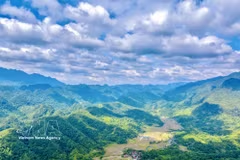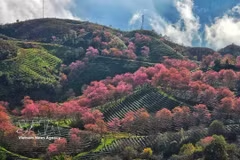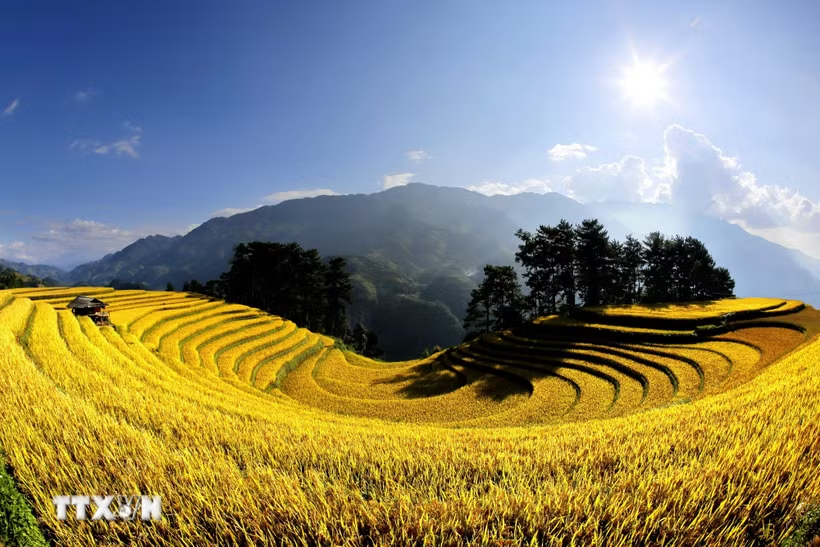
Hanoi (VNA) – As terraced fields turn golden, Vietnam’s northwestern highlands enter their most picturesque season. Beyond breathtaking mountain scenery, the harvest season offers visitors a chance to discover local cuisine, traditional markets and the distinctive cultures of ethnic communities.
Autumn in the northern mountains is not just about golden rice terraces. It is also the season of freshly harvested young sticky rice, fragrant glutinous rice, fireside meals in traditional stilt houses and colourful ethnic markets. With the right itinerary, a trip to admire the golden fields can become an immersive cultural experience rather than simply a sightseeing excursion.
Mu Cang Chai: Walking through golden stairways
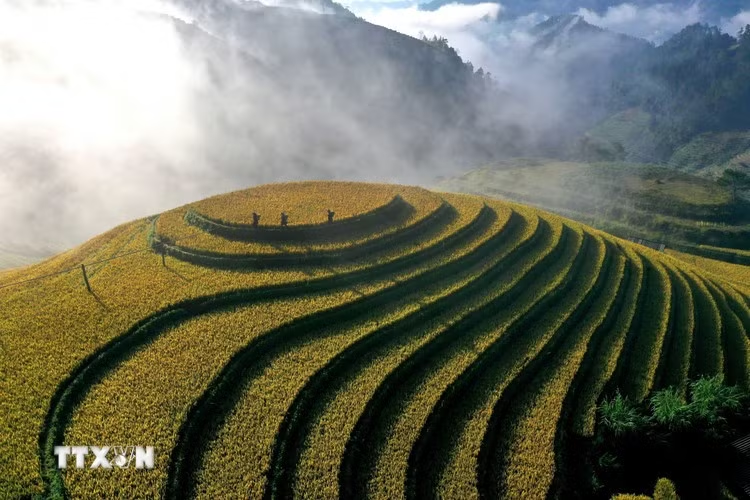
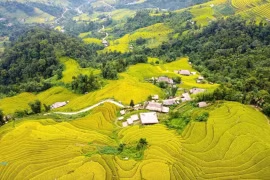
For first-time visitors to the northwestern rice harvest, Mu Cang Chai in Lao Cai province is an ideal starting point. Its terraced fields cascade down mountain slopes, interspersed with Mong ethnic villages and winding mountain passes.
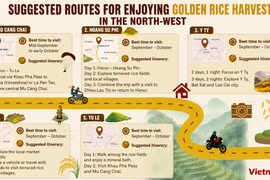
The best time to visit is generally from mid-September to early October, with late September and early October often offering the most spectacular golden landscapes. As rice ripens at different times across the area in a golden tapestry of shimmering hues, visitors can explore several locations during a two-day stay.
From Hanoi, the popular route follows National Highway 32 through Thanh Son, Nghia Lo and Tu Le, before crossing Khau Pha Pass to reach Mu Cang Chai. Travellers driving their own cars are advised to allow two nights, while those without mountain-driving experience can take a coach or hire local transport.
Beyond well-known viewpoints such as Mong Ngua, La Pan Tan and Che Cu Nha, visitors should venture into villages and walk along small paths winding through the terraces to observe farmers harvesting their crops.
Staying at community-based homestays, such as Mu Cang Homestay, Do Gu Homestay or Trai Ban Bungalow Homestay, offers opportunities to share meals with local families and learn about Mong culture and daily life.
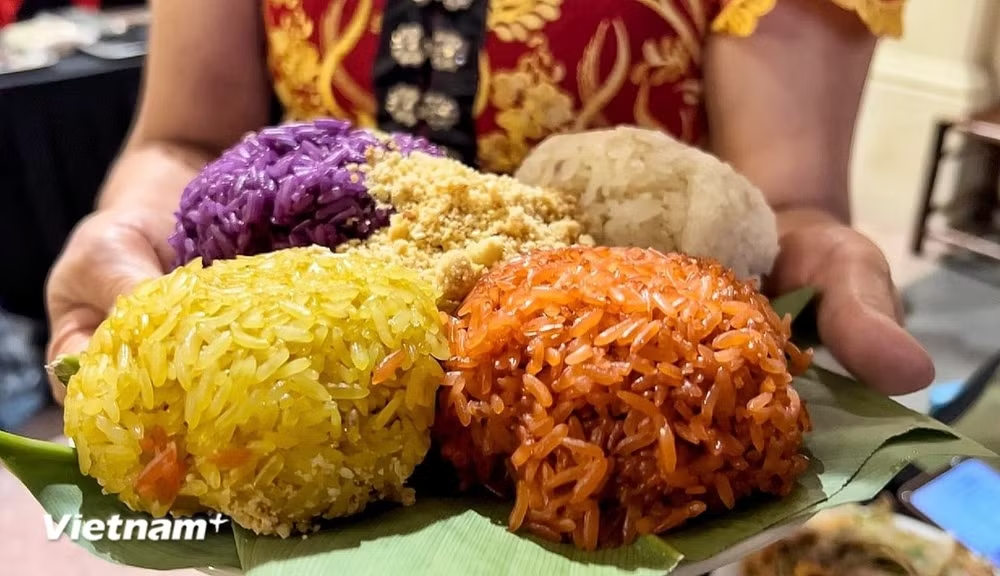
Local specialities include Tu Le sticky rice, five-colour sticky rice, hill-raised pork, black chicken, stream fish and seasonal forest vegetables. Late September and early October are also the season for Tu Le young sticky rice, traditionally roasted, pounded and sifted by hand.
Hoang Su Phi: Living among rice terraces and villages
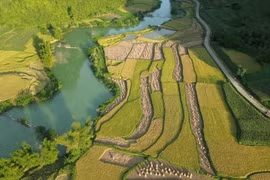
While Mu Cang Chai impresses visitors with its dramatic landscapes and vibrant harvest atmosphere, Hoang Su Phi in Tuyen Quang province is better suited to those seeking a slower journey and closer encounters with village life.
September and October are ideal months to explore its spectacular terraces, particularly in Thong Nguyen, Nam Hong, Ho Thau and Ban May.
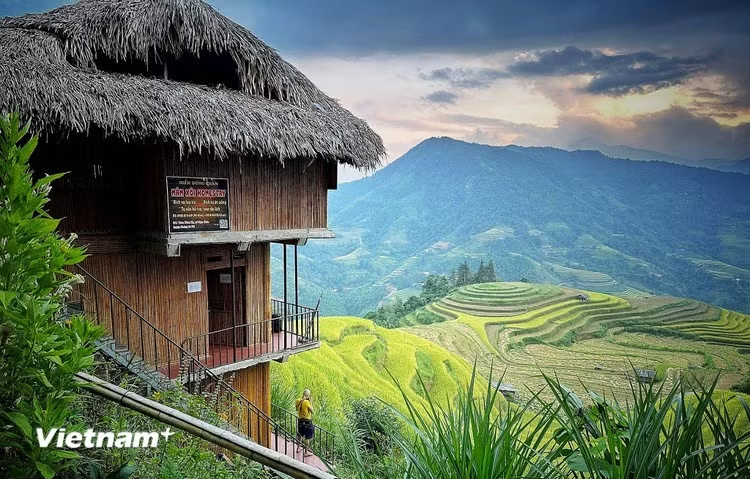
Located a considerable distance from Hanoi, the area warrants at least two nights. Visitors can stay in local accommodation in Thong Nguyen or Nam Hong, with options including Mong Ngua Homestay, Hoang Su Phi Bungalow and Bong Benh Retreat.
The experience goes beyond scenic views. Visitors can enjoy home-cooked meals, learn about local farming practices and explore the area's distinctive Shan Tuyet ancient tea. Other specialities include terraced-field carp, black pork, free-range chicken, bamboo-tube rice and forest vegetables.
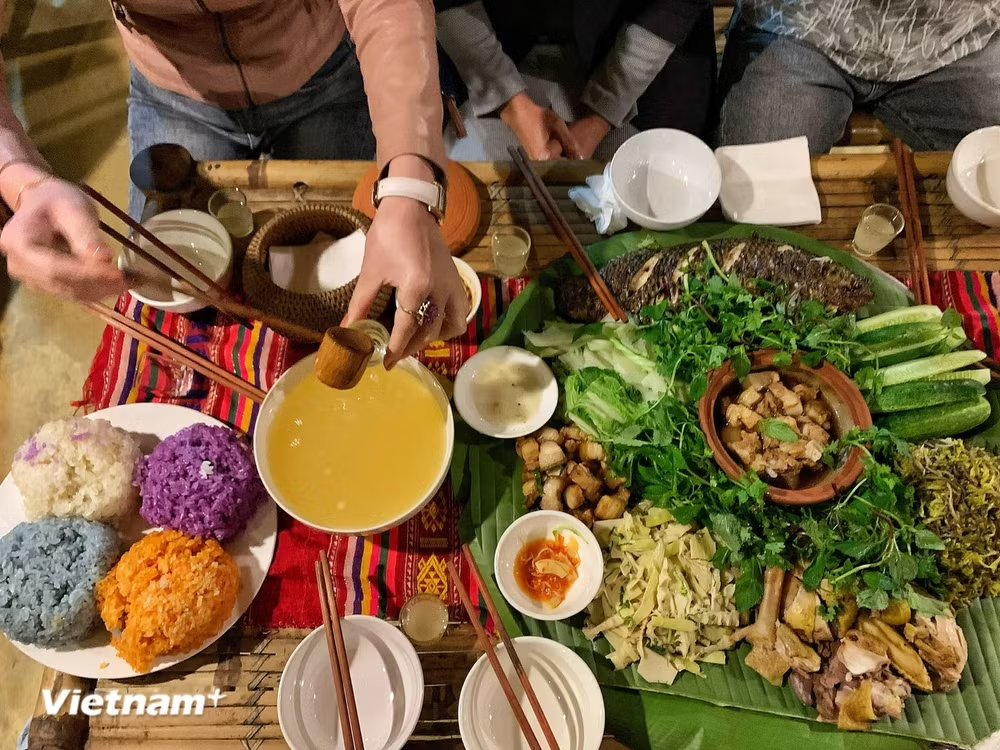
Y Ty: Golden harvest amid Ha Nhi culture
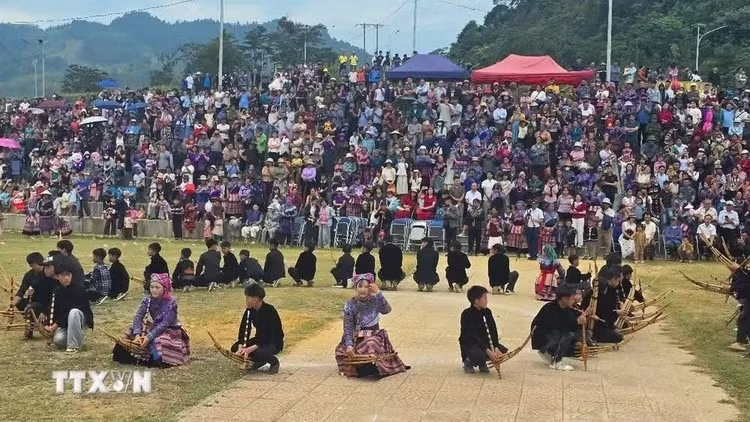
Y Ty in Lao Cai province offers a different highland experience, where terraced fields sit against towering mountains, clouds drift low over the valleys and Ha Nhi ethnic villages preserve a distinctive cultural identity.
Located more than 70km from Lao Cai city, Y Ty is best explored at a relaxed pace, with a full day allocated for the mountain journey. Visitors can consider staying at Ha Nhi House in Choan Then or Ha Nhi Family Homestay in Lao Chai village.
Traditional earthen-walled houses, family kitchens and home-cooked meals provide glimpses into Ha Nhi daily life. During the day, visitors can explore the rice terraces in A Lu, Lao Chai and Ngai Thau, while early mornings offer opportunities for cloud hunting and late afternoons reveal golden sunlight spreading across the fields.
Bac Ha: More than just a weekend market
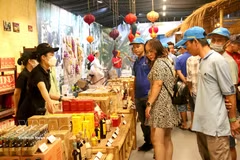
Bac Ha in Lao Cai province combines the beauty of the harvest season with colourful ethnic markets, local cuisine and the cultural traditions of different communities.
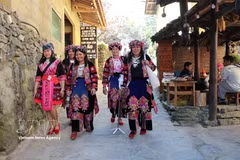
Visitors should arrive early on market days to observe local people gathering, trading goods, enjoying breakfast and socialising in traditional costumes.
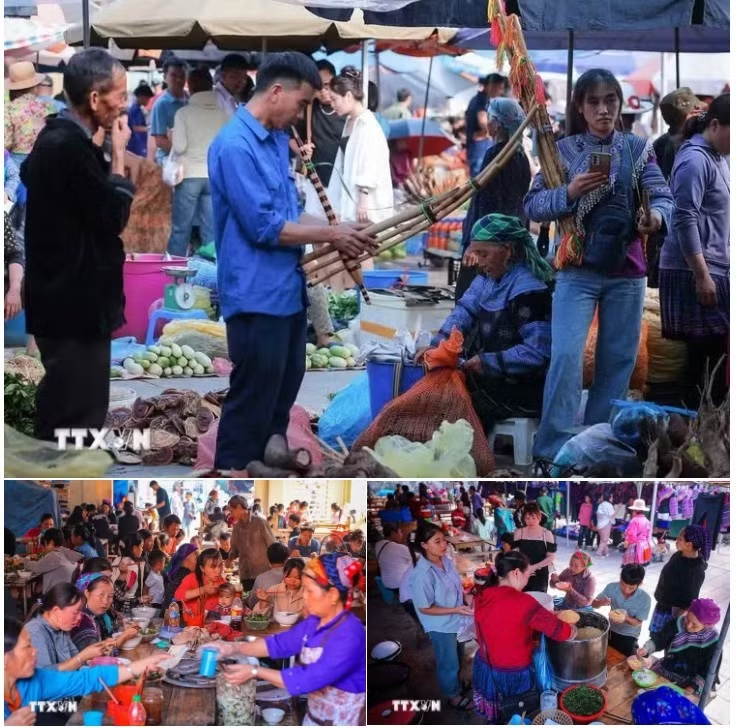
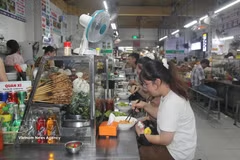
Local dishes worth sampling include thang co, men men, sour pho, black sticky rice cake, smoked meat and Ban Pho corn wine. Travellers are encouraged to spend at least two nights exploring the market town, surrounding villages and agricultural areas rather than treating Bac Ha as a brief stopover.
Tu Le: A gentler golden-season escape
For those seeking a less adventurous trip, Tu Le offers a more relaxed combination of rice valleys, Thai ethnic villages, traditional food and hot springs.
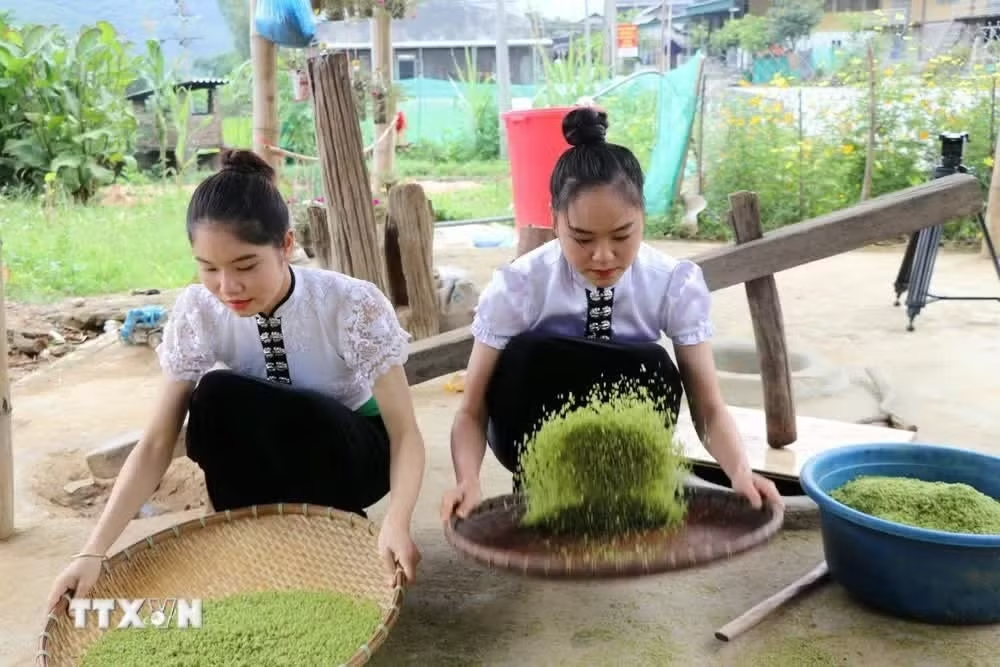
Often included in itineraries to Mu Cang Chai, Tu Le makes an ideal overnight stop along National Highway 32. Visitors can enjoy a traditional Thai meal, sample locally produced sticky rice and young rice flakes, then unwind at Xuan Van Hot Spring or Le Champ Tu Le Resort.
Making the most of the golden season
Each destination offers a different experience. Mu Cang Chai is ideal for spectacular terraced landscapes; Hoang Su Phi for village life; Y Ty for cloud hunting and Ha Nhi culture; Bac Ha for ethnic markets and cuisine; and Tu Le for a relaxing countryside escape.
The peak harvest period varies from year to year, and even neighbouring fields may ripen at different times. Travellers are therefore advised to contact their accommodation providers one or two weeks before departure to check rice conditions, road access and opportunities for local cultural experiences.
Above all, setting aside time to walk through villages, share a family meal or watch farmers harvesting rice can make all the difference. It is these encounters that turn a trip to admire the golden season into a genuine experience of life in Vietnam's northwestern highlands./.