Community-based tourism creates sustainable livelihoods for Thanh Hoa highlanders

Ethnic minority communities in the mountainous areas of Thanh Hoa province are turning their distinctive cultural heritage and natural landscapes into community-based tourism products, creating new livelihoods, raising incomes, and helping reduce poverty and preserve local cultural identity.

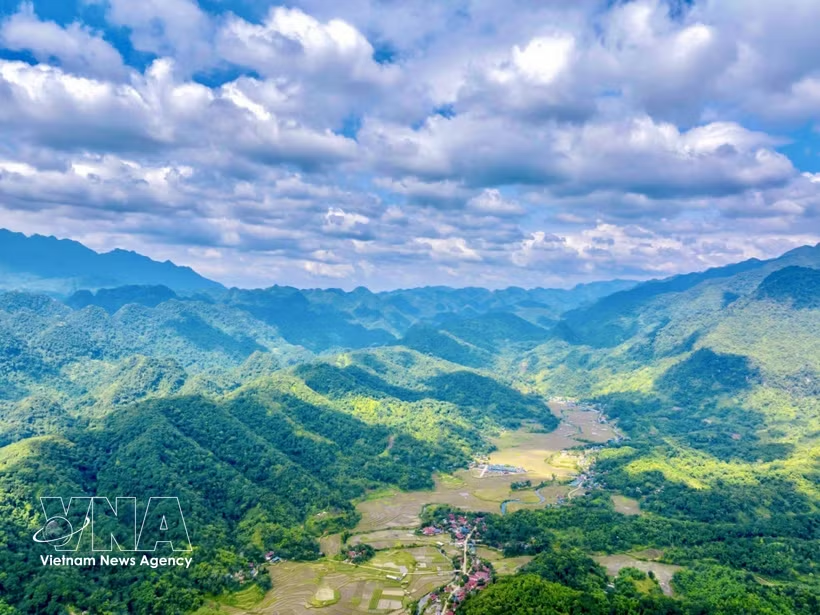
At an altitude of 1,700 metres above sea level, Pu Luong peak is emerging as an ideal destination for trekking, an adventure tourism activity that combines hiking, nature exploration and physical fitness (Photo: VNA)

Thanh Hoa (VNA) – Ethnic minority communities in the mountainous areas of Thanh Hoa province are turning their distinctive cultural heritage and natural landscapes into community-based tourism products, creating new livelihoods, raising incomes, and helping reduce poverty and preserve local cultural identity.

Tourism creates livelihoods for locals

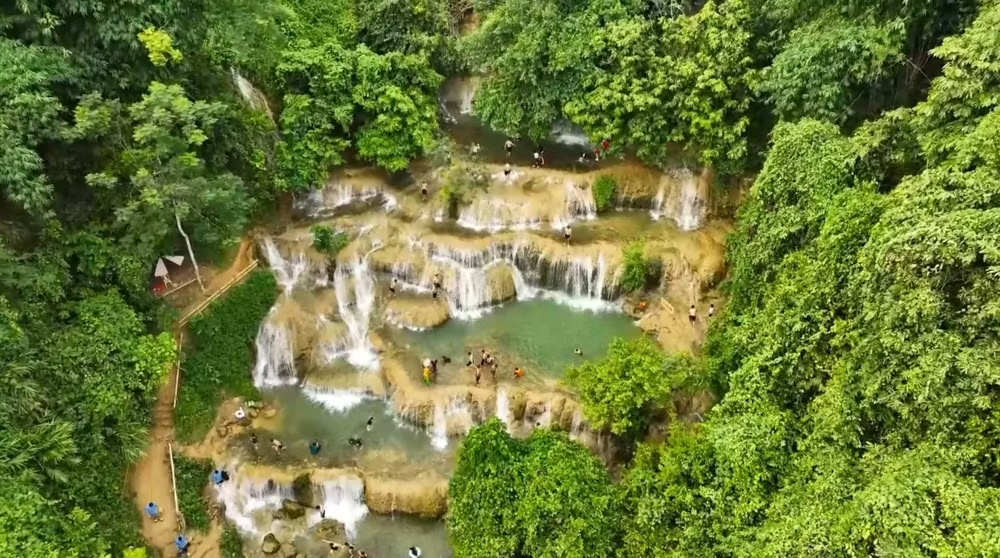
The May Waterfall tourist site in Thach Quang commune, known for its clear and cool water cascading over several tiers amid lush forests, has become a popular destination for families and young visitors, particularly during the summer.

Beyond its scenic beauty, May Waterfall is surrounded by streamside tourism facilities along the Ngang River, developed by residents, offering stream bathing, dining, accommodation and outdoor activities, giving visitors more options for recreation and relaxation.
thac-may.jpg
A view of May Waterfall from above (Photo: vhds.baothanhhoa.vn)

Nguyen Doanh, a resident of Lam Son hamlet, said that he and many local households previously relied mainly on farming and faced economic difficulties. Rather than taking jobs far from home, he decided to start a business in his hometown after recognising the tourism potential of Ngang River, which flows past his house and connects with May Waterfall.

After researching new business models online, he invested in tourism services, developing a community-based facility where visitors can enjoy traditional food and relax. During peak periods, his establishment receives 500-1,000 visitors a day at weekends. It now provides a stable income for his family and creates jobs for 40 residents.

According to the communal People's Committee, the May Waterfall tourist site has welcomed approximately 100,000 visitors since May 2026, with visitor numbers rising particularly sharply during holidays and weekends, generating significant tourism revenue for local people.

Nguyen Xuan Manh, Vice Chairman of the committee, said visitors are particularly impressed by the traditional cultural features of the Muong ethnic group, including stilt houses, traditional costumes and diverse local cuisine.

The commune plans to coordinate with relevant agencies to provide training in tourism development, community-based tourism services and hospitality skills for local households. It will also support connections with tour operators and provide assistance to visitors, helping residents generate more income from tourism.
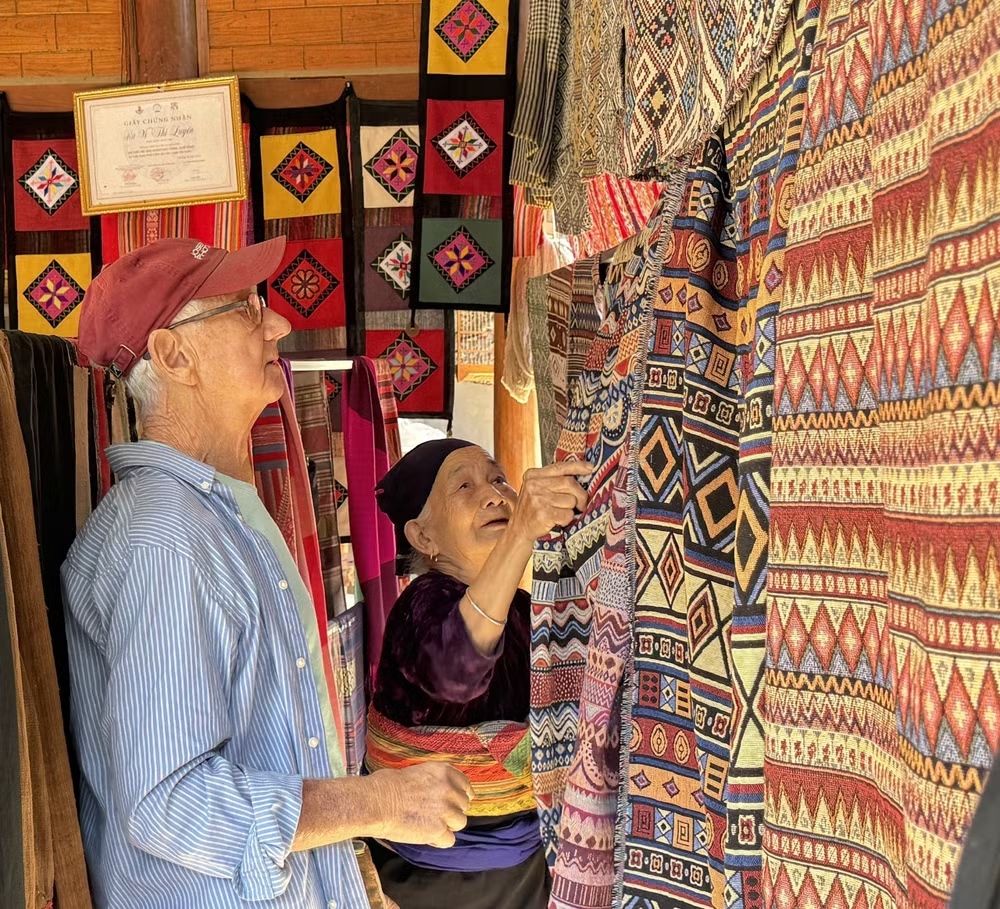
vanet-bob.jpg
Roistacher Bob, an 82-year-old American tourist, chooses to buy brocade products in Lan Ngoai hamlet, Pu Luong commune (Photo: VNA)

Preserving ethnic cultural identity

In Pu Luong commune, Thai ethnic people are turning traditional stilt houses, brocade weaving, and ancestral culinary practices into tourism products, creating a sustainable economic development model that helps preserve the cultural identity of ethnic communities.

Pu Luong is an attractive destination for its unspoiled landscapes, traditional stilt houses, and community-based tourism. Many local households have upgraded their homes into homestays, combining traditional architecture with modern amenities, while improving hospitality, cooking and sanitation skills. Some have also taken out loans to develop tourism services.

Nguyen Van Duc, a visitor from Hanoi, praised Pu Luong’s natural beauty, distinctive Thai cuisine and friendly residents, saying that his family has visited this place for the second time.

Developing community-based tourism associated with preserving Thai stilt-house culture has become part of Pu Luong's economic development strategy. Since early 2026, the commune has received around 25,000 visitors, including 15,000 foreigners.

Nguyen Nam Phong, Vice Chairman of the communal People's Committee, said the locality is developing plans to promote community-based tourism while preserving Thai cultural identity, natural landscapes and the environment.

According to the provincial Department of Culture, Sports and Tourism, Thanh Hoa is implementing a tourism development plan focusing on mobilising resources, strengthening promotion and attracting more international visitors and tourists from southern Vietnam.

To ensure sustainable growth, mountainous localities are encouraging residents to develop homestays and experiential services, improve tourism products and make better use of local resources to increase incomes. The province is also promoting green tourism to attract visitors and encourage repeat stays, creating more livelihood opportunities and contributing to poverty reduction./.
VNA

See more

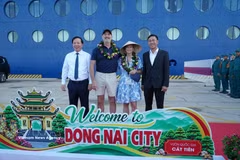
Panama-flagged cruise ship Adora Flora City docks at Chan May Port in the central city of Hue on November 25, 2026. (Photo: VNA)

Cruise ship brings over 3,700 tourists to Hue

Panama-flagged cruise ship Adora Flora City brings 3,701 tourists and 1,255 crew members to the central city of Hue. The visitors are expected to give a boost to local services, transport, and trade.

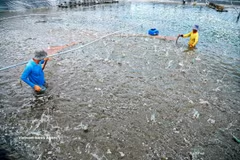
Ca Mau province is a shrimp farming hub of Vietnam. (Photo: VNA)

Ca Mau Shrimp Festival 2026: A celebration of culture, tourism

The southernmost province of Ca Mau will run a five-day event series from November 21-25 celebrating Vietnam Culture Day (November 24) and the second Ca Mau Shrimp Festival 2026 in An Xuyen ward, mixing culture, art, exhibitions, trade promotion and tourism.

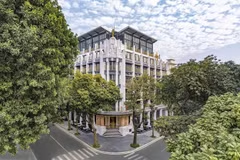
Capella Hanoi, developed by Sun Group, is recognised by Condé Nast Traveler as one of Southeast Asia’s most imaginative luxury hotels. (Photo: Sun Group)

Condé Nast Traveler explores a “world of opera” at Sun Group’s Hanoi hotel

Just steps from the Hanoi Opera House, Capella Hanoi opens onto a world distinct from the city streets outside. Through the lens of Condé Nast Traveler, one of the world’s leading travel magazines, the hotel’s appeal extends beyond elaborate design to the theatrical stories woven throughout its spaces, turning a stay into a journey of artistic discovery.

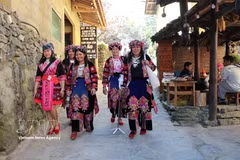
Foreign tourists in traditional Lo Lo costumes visit Lung Cu (Photo: VNA)

Lung Cu tourism development requires coordinated infrastructure investment

Tourism growth has brought more visitors to Lung Cu, prompting accommodation establishments and restaurants to operate at high capacity and driving up demand for electricity and water. However, some infrastructure facilities have yet to keep pace, affecting business operations and visitors' experiences.

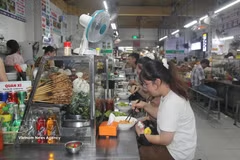
Tourists enjoy local food at Con Market in Da Nang. (Photo: VNA)

Da Nang takes local cuisine onto digital map

Cuisine is a major attraction for visitors to Da Nang, with traditional dishes offering not only distinctive flavours but also rich stories that reflect the region's culture, people, and heritage. The city is now developing a digital culinary ecosystem through e-commerce platforms and online services, creating new opportunities to showcase local cuisine, boost tourism, and support the local economy.

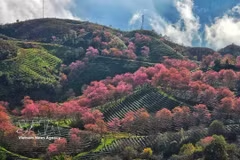
Sa Pa in full bloom as cherry blossoms herald the season. (Photo: VNA)

Sa Pa: A mountainous land blossoming in all four seasons

Alongside efforts to preserve the cultural identity of local ethnic communities, Sa Pa ward in the northern mountainous province of Lao Cai is accelerating digital transformation, developing smart urban services and upgrading infrastructure and public spaces to build a green, culturally distinctive and smart urban area.

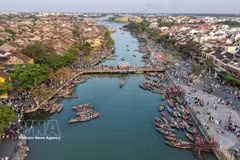
Large numbers of domestic and foreign tourists continue to choose Hoi An ancient town in Da Nang city despite the ongoing rainy season (Photo: VNA)

Hoi An offers unique tourist experiences during flooding season

Despite the weather conditions, tourists continue to stroll along both banks of the Hoai River in Hoi An, take photographs and explore the flooded streets. Some have rolled up their trousers and waded through the water to continue sightseeing and capture unusual moments of their visits.

Golfers at a golf course in Bac Ninh city (Photo: VNA)

Vietnam’s golf tourism maintains strong international appeal

Vietnam's decade-long recognition as Asia's Best Golf Destination demonstrates its sustained attractiveness and established position in the regional and global golf tourism market. The achievement offers an opportunity to step up destination promotion, expand links with the international golf community and attract high-spending visitors who tend to stay longer.