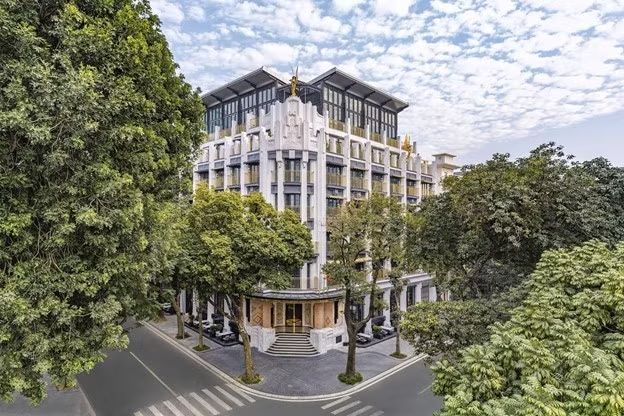
Hanoi (VNA) – Condé Nast Traveler takes readers inside a “world of opera” in the heart of Hanoi, where guests can stay in rooms named after stage legends, slip into red velvet robes, and experience the glamour of the performing arts’ golden age. This is Capella Hanoi, the hotel developed by Sun Group that the US magazine recognises as one of Southeast Asia’s most imaginative luxury hotels.
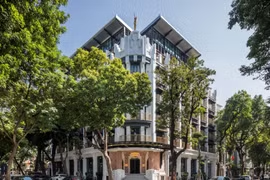
Just steps from the Hanoi Opera House, Capella Hanoi opens onto a world distinct from the city streets outside. Through the lens of Condé Nast Traveler, one of the world’s leading travel magazines, the hotel’s appeal extends beyond elaborate design to the theatrical stories woven throughout its spaces, turning a stay into a journey of artistic discovery.
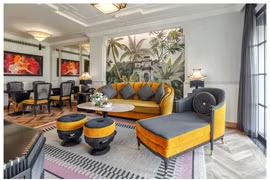
Under the direction of architect Bill Bensley, Capella Hanoi was conceived as a retreat for the opera stars, composers, and enthusiasts of a bygone era. More than 1,000 pieces of memorabilia, artworks, and theatrical decorative details evoke the golden age of the performing arts. Each of its 47 rooms and suites bears the name of a stage legend, with hand-painted portraits and performance memorabilia creating the impression of entering an artist’s private quarters. Even the red velvet robe becomes part of the experience, inviting guests to assume the role of an opera star within this theatrical setting.
According to Condé Nast Traveler, what distinguishes Capella Hanoi is its imaginative reinterpretation of the cultural past, rather than the simple preservation of historical traces. Beneath that theatrical exterior, however, are the comforts of a luxury hotel. Generous beds, spacious bathrooms, and modern amenities create a relaxing experience across all room categories, a quality the magazine’s reviewer particularly appreciated.
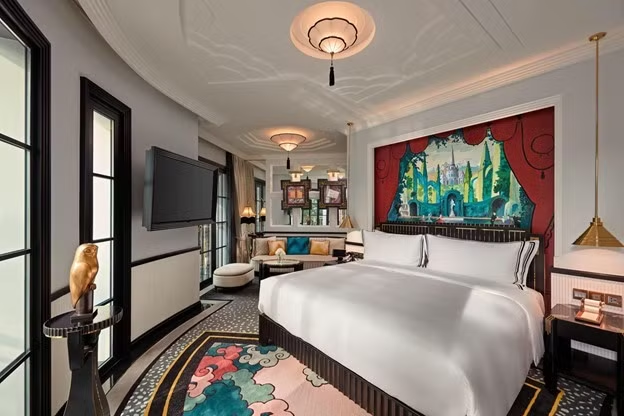
Another highlight that impressed the magazine is La Grotta, recognised as one of Vietnam’s best hotel pools in 2025. Located below ground, the heated pool features lavish chandeliers, a mirrored ceiling, and striking geometric patterns, creating an atmosphere that feels both fantastical and intimate. The magazine identifies it as an experience not to be missed, combining remarkable design with relaxation and attentive service.
The exploration continues with dining experiences, each with a distinct personality. A day might begin with the breakfast Condé Nast Traveler praised at Backstage, where northern Vietnamese flavors receive a refined interpretation. At the one-Michelin-starred Hibana by Koki, teppanyaki brings diners closer to Japanese culinary craftsmanship as each dish is prepared before their eyes.
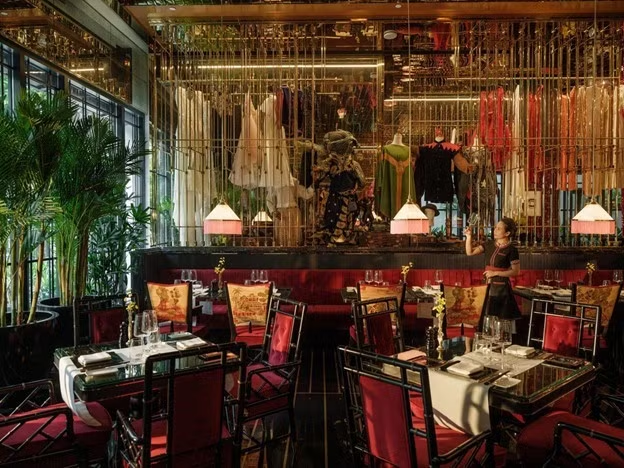
As evening falls over Hanoi, The Hudson Rooms evokes 1920s New York through cocktails and a classic setting. Featured in Asia’s 50 Best Bars, it is recommended by Condé Nast Traveler as worth visiting even for those staying elsewhere. The Living Room offers a gentler pace, with live jazz, light bites, and a glass of Opera Punch after a day exploring the city.
Beyond its design and experiences, Capella Hanoi places particular emphasis on personalized service. The Capella Culturists help guests discover Hanoi through recommendations tailored to their interests, from food to local culture. This attention to design, accommodation, and service has also contributed to the hotel’s continued international recognition: three Michelin Keys, a Forbes Travel Guide Five-Star rating for two consecutive years, No. 81 on the extended list of The World’s 50 Best Hotels 2026, and a place among Southeast Asia’s best hotels as voted by Condé Nast readers.
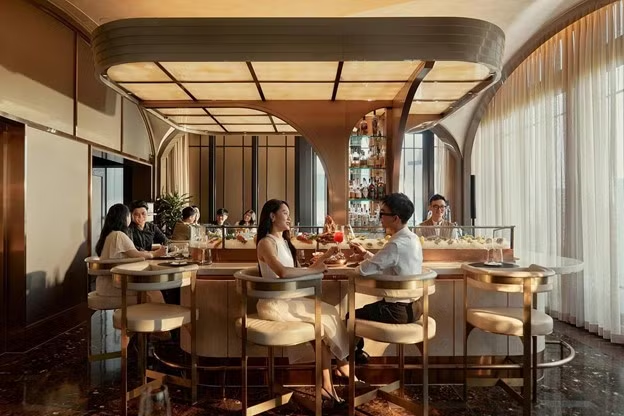
Through Condé Nast Traveler’s perspective, Capella Hanoi emerges as an experience in its own right in the heart of the capital. For Sun Group, the hotel illustrates an approach to bringing culture and local artistry into luxury hospitality, giving each property a story of its own. At Capella Hanoi, that story begins with opera-inspired design beside the Hanoi Opera House, inviting guests to discover another dimension of the city’s cultural life during their stay./.