Hanoi (VNA) - Hanoi has once again affirmed its role as the nation’s political and economic hub through a visionary master plan.
At a conference held on June 29 to announce the capital city’s 100-year master plan and promote investment in 2026, the message of an “action-oriented Hanoi” was strongly conveyed. Chairman of the municipal People’s Committee Vu Dai Thang affirmed that the city is committed to building a development and service-oriented administration.
Institutional and strategic infrastructure breakthroughs
Thang said Hanoi is at a historic turning point, stressing that the 100-year master plan sets long-term orientations for the city to become a centre of innovation, finance and international connectivity.
The plan is backed by a strong institutional foundation, including Politburo Resolution No. 02 on the building and development of Hanoi in the new era and, notably, the 2026 Capital Law, which will take effect on July 1.
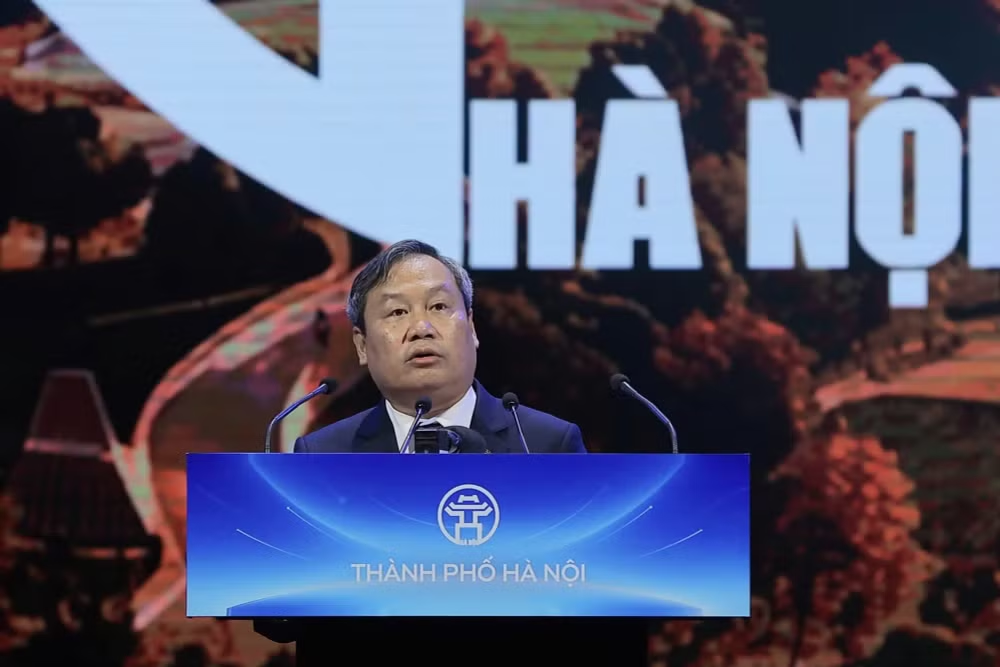
According to the city leader, the Capital Law serves as a “key” to opening up stronger decentralisation, together with special and breakthrough policies. This will enable Hanoi to mobilise resources, shorten investment preparation and create a transparent legal environment.
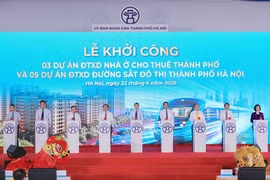
Alongside institutional reform, strategic infrastructure is identified as a top priority. Hanoi is implementing its largest-ever infrastructure investment programme to tackle long-standing bottlenecks. The simultaneous groundbreaking of five metro lines shortly before the conference marked a major step towards a modern transit-oriented development (TOD) model. Ring roads, bridges across the Red River and radial transport routes are also being accelerated.
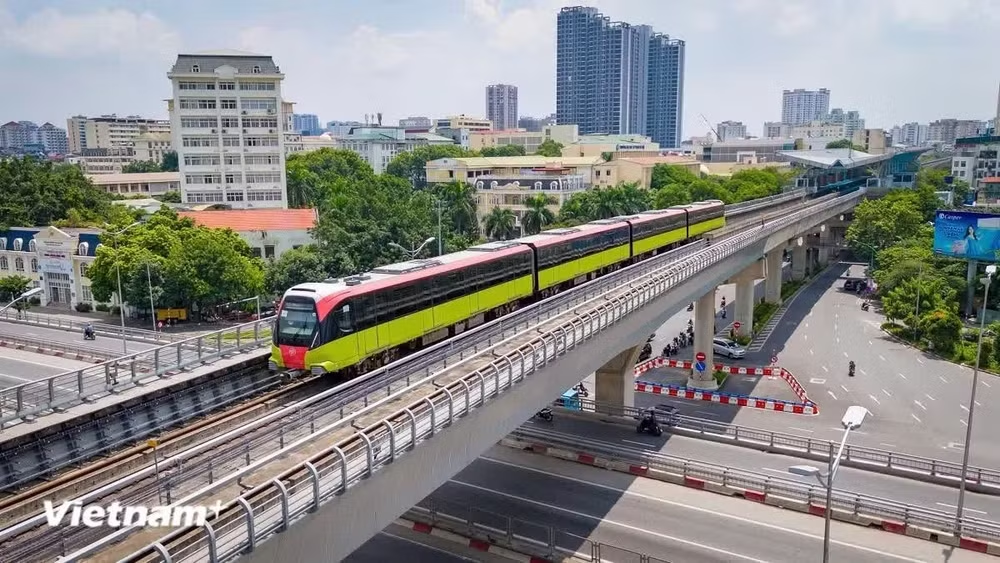
The city is also shifting from public investment following private investment to public investment leading social investment, focusing resources on strategic and digital infrastructure as well as education and healthcare.
Governance reform: From management to service
Hanoi recognises that even the most ambitious master plan can only deliver results when matched by strong implementation capacity. The city is therefore working to build a professional administration, with implementation effectiveness and public and business satisfaction serving as key benchmarks.
Thang noted administrative reform is consequently being translated into the “six clear” approaches: clear people, clear tasks, clear responsibilities, clear timelines, clear outputs and clear effectiveness. Digitalising administrative procedures will reduce compliance costs and risks for investors while creating a more open and equitable business environment.
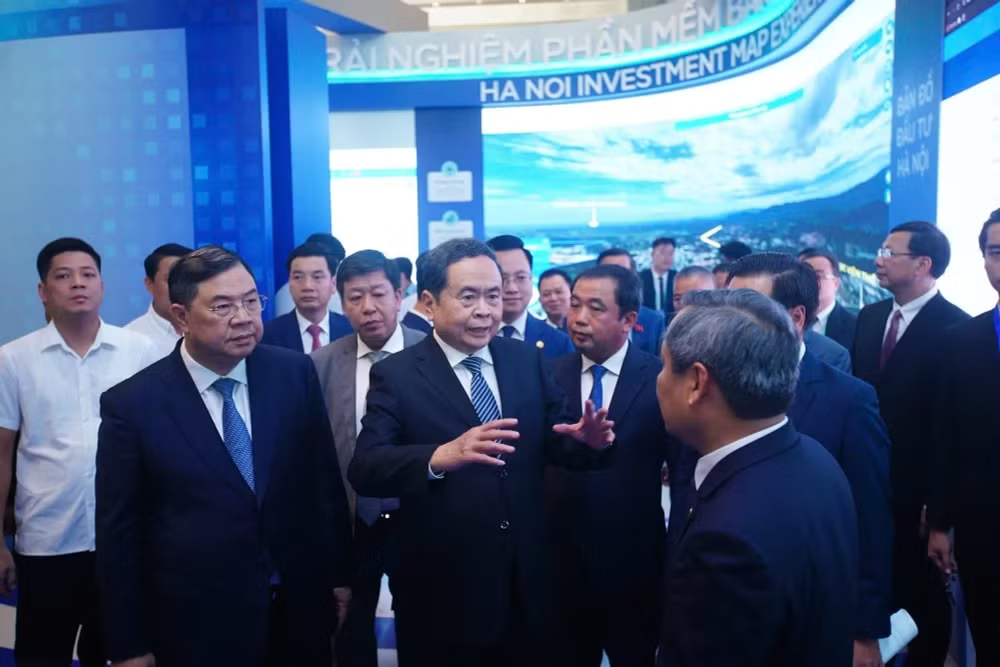
Hanoi’s socio-economic performance demonstrates the impact of this approach. During 2021-2025, the city’s GRDP scope reached nearly 1.6 quadrillion VND (61 billion USD), accounting for more than 12% of national GDP. In the first six months of 2026, 138 domestic investment projects were approved with total capital of around 3.6 quadrillion VND, while foreign direct investment (FDI) reached 3.2 billion USD.
Hanoi, however, is not pursuing growth at any cost. The city will not sacrifice the environment, cultural heritage or quality of life for growth figures alone. Priority is being given to high-tech industries, the green and circular economies, and cultural industries, with projects in semiconductors, artificial intelligence, data centres and clean energy receiving strong support, Thang stressed.
By introducing a list of 276 projects calling for investment, Hanoi has sent a clear message of openness and partnership, pledging to accompany investors, listen to their concerns and address difficulties promptly.

The capital’s 100-year journey is beginning with firm steps today. With public consensus, business confidence and strong political determination, Hanoi is working to realise its vision of becoming a civilised and modern capital. Every successful project today, as the city’s leader noted, is a brick laying the foundation for Hanoi’s future and contributing to the nation’s rise in a new era./.