HCM City (VNA) - Faced with rising water demand, the growing impacts of climate change and increasingly high expectations for urban services, Saigon Water Corporation (SAWACO) is accelerating digital transformation in water supply management and operations, while implementing measures to improve customer services and proactively protect water resources. These efforts are an important step towards building a safe, smart, flexible and sustainable water supply system capable of meeting the development requirements of Ho Chi Minh City in the new period.
Stepping up digital transformation in management and operations
In the context of rapid urbanisation and growing population and water demand, ensuring a safe and uninterrupted supply of clean water has placed increasingly demanding requirements on water supply management and operations. In addition to ensuring sufficient supply, the water supply sector must maintain water quality, regulate pressure and flow rates, minimise water losses and promptly detect potential network incidents.
In response, SAWACO has identified digital transformation as a key solution to reform its management approach and improve production and business efficiency. The corporation is gradually digitising its entire operational chain, from water production, coordination, distribution to data management and customer transactions.
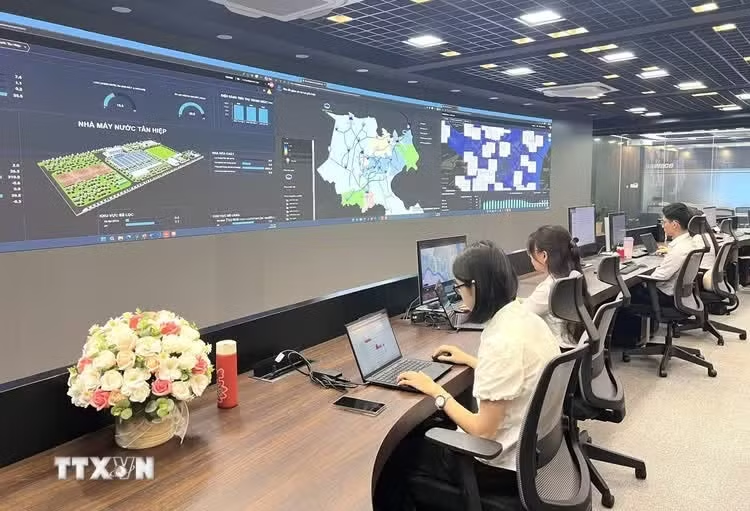
A key initiative is the establishment of the Smart Water Operation Centre (SWOC), which oversees and coordinates the operation of the entire water supply network. By applying technology and hydraulic models, the centre can monitor operational conditions, analyse demand, identify unusual patterns and develop plans to regulate water output from treatment plants. This is helping shift operations from responding to incidents after they occur towards proactive monitoring, forecasting and risk prevention.
In 2026, the second phase of the SWOC upgrade project completed its survey stage and moved on to the development of designs and technical standards, with a view to strengthening real-time monitoring and remote operations. SAWACO also accepted a data warehouse development and artificial intelligence (AI) data exploitation package, laying the groundwork for specialised technical management applications.
At the same time, the corporation is deploying digital mapping platforms and geographical information systems to manage assets, pipelines and water supply infrastructure. Its SAWAGIS system and shared WebGIS platform enable technical staff to access information, monitor pressure zones, manage assets and oversee network expansion. By September 2026, the WebGIS platform had recorded more than 4,500 visits. Geographical data have also been integrated into the WaterGEMS hydraulic model to support analysis and optimise system operations.
Notably, SAWACO is piloting the District Metered Area (DMA) model for smart water distribution network management in several areas, including Trung An, Tan Hoa, Cho Lon, Ben Thanh and Can Gio. The solutions include remote-reading water meters, pressure-regulating valves, remotely operated valves and AI-powered data analysis software. By monitoring water flow and pressure, the system can help calculate water losses, detect and issue early warnings of potential leaks, thereby improving the efficiency of network operations.
To date, SAWACO has installed more than 55,000 water meters equipped with remote-reading functions. This technology automates the recording of water consumption readings and enables the regular collection of data for analysing demand and monitoring supply operations. The corporation has also introduced procedures for managing remotely collected meter readings, alongside regulations on the recovery, refurbishment and testing of meters for reuse, helping improve investment efficiency.
Improving customer service quality
SAWACO is also applying digital transformation across its customer service operations. The SAWACO Customer Care application enables residents to carry out a range of online transactions, including applying for new water meter connections, adjusting consumption quotas, submitting meter readings, checking bills, paying water charges and tracking feedback. The Core Billing system has also been put into operation, providing a foundation for centralised customer data management and integration across service channels.
The unified customer service hotline, 1900 999 997, currently handles an average of 672 calls a day, covering service enquiries, repair requests and customer feedback. According to a survey conducted by the corporation's Customer Service and Business Department, up to August 2026, overall customer satisfaction reached 94.3 percent.
Previously, under its customer service improvement programme for the 2022-2026 period, SAWACO set out to establish a consistent and transparent system of service regulations and standards across the corporation, while promoting the application of science and technology and technical innovation in management and operations. Its subsidiaries and affiliated units have been encouraged to ensure a safe, uninterrupted and reliable water supply, while making it easier for residents to register for and use water services.
Expanding cashless payment options, simplifying administrative procedures and strengthening customer engagement and feedback mechanisms have also been priorities. Through these efforts, SAWACO aims to develop a modern and transparent public utility service system with customers at its centre.
Proactively safeguarding water resources against climate change
Apart from modernising management and improving service quality, ensuring water security has become an increasingly urgent task for SAWACO amid increasingly complex climate change impacts and extreme weather patterns.
Ho Chi Minh City currently has a population of nearly 14 million, generating substantial demand for water. Its water supply relies primarily on the Saigon-Dong Nai river system, particularly upstream water resources from the Dau Tieng and Tri An reservoirs. However, the strengthening El Niño phenomenon, which is expected to persist until early 2027, is increasing the risk of drought, reduced river flows and saltwater intrusion. Meanwhile, urbanisation and environmental pollution are also directly affecting raw water quality.
In response, SAWACO has drawn up a plan to cope with the 2026-2027 dry season and is coordinating with upstream water resource management agencies, including Tri An Hydropower Company and the Southern Irrigation Exploitation Company, to develop operational plans, share data and optimise water regulation and exploitation. Water treatment plants are also increasing reserves of chemicals, materials and equipment to ensure readiness for unusual situations.
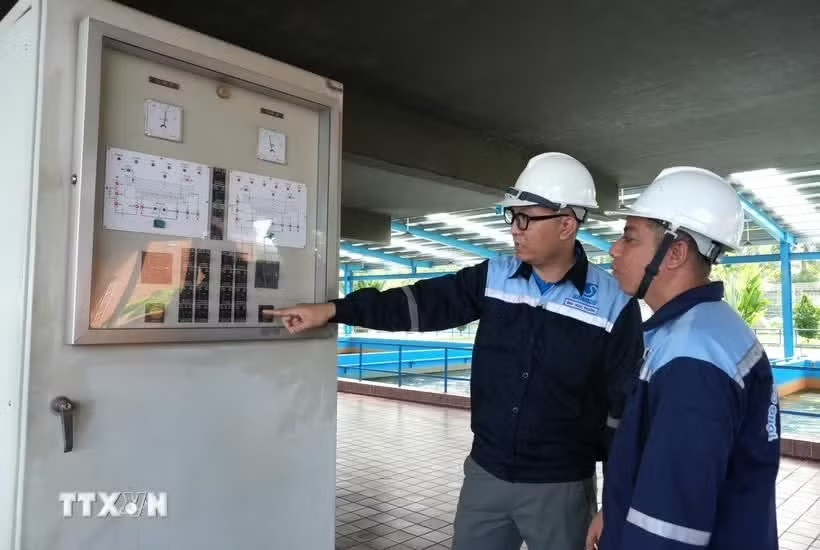
At Thu Duc Water Plant, automatic and continuous raw water quality monitoring systems have been installed at pumping stations to monitor parameters such as total suspended solids (TSS), chemical oxygen demand (COD), ammonium, temperature, pH, electrical conductivity and turbidity. At the Hoa An pumping station in particular, automatic salinity and turbidity monitoring equipment helps detect early signs of saltwater intrusion and unusual changes in the quality of water from the Dong Nai river.
With a designed capacity of 750,000 cubic metres per day, Thu Duc Water Plant basically meets residents' water demand, including during peak periods in the dry season. The plant is increasing reservoir capacity to store water and regulate flows and pressure across the network. It is also preparing spare materials and equipment while stepping up machinery inspections and maintenance.
At Tan Hiep Water Plant, measures to cope with saltwater intrusion are also being implemented proactively. When salinity levels rise, the plant coordinates with irrigation management units to request water regulation and releases to push back saline water. It also adjusts pumping volumes or temporarily suspends raw water extraction when indicators exceed safe thresholds. In addition, the plant works with Kenh Dong Water Plant to supplement clean water supplies, helping maintain uninterrupted services for residents.
Water quality control is carried out throughout the entire process, from raw water extraction and treatment to distribution to customers. SAWACO's laboratory currently conducts tests covering around 60 parameters, including those related to organic compounds. In addition to conventional testing methods, online monitoring equipment takes measurements approximately every two minutes, enabling rapid detection of changes in water quality and timely implementation of appropriate treatment measures.
Towards a smart and sustainable water supply system
Challenges posed by climate change, drought, saltwater intrusion, water pollution and urbanisation pressures demonstrate that the water sector needs to move away from a reactive approach towards proactive management, forecasting and long-term adaptation. This direction was also highlighted at Vietnam Water Week 2026, under the theme “Digital Transformation – Strengthening the Water Sector's Resilience in the New Era”.
For SAWACO, this orientation is being translated into concrete measures, including further improvements to the Smart Water Operation Centre, stronger data connectivity and sharing among affiliated units, and research into the application of advanced technologies such as AI, Big Data, the Internet of Things (IoT) and Digital Twin technology in management and operations. Making better use of water quality monitoring data will enable the corporation to identify risks associated with climate change, saltwater intrusion and pollution at an early stage, thereby developing appropriate response measures.
Alongside technological investment, SAWACO will continue to strengthen its contingency capacity, improve technical infrastructure, ensure information security and enhance coordination with water resource management agencies, specialised authorities and local administrations.
By combining digital transformation, improved service quality and water resource protection, SAWACO is gradually developing a smart water supply management and operational model with stronger forecasting capabilities and greater flexibility in responding to changing conditions. These efforts will not only improve the corporation's operational efficiency but also contribute to social welfare, the sustainable use of water resources and the development of Ho Chi Minh City in the new period./.