Hanoi (VNA) – Making use of shared resources for science and technology development can be a key solution to help private enterprises cut costs and strengthen their competitiveness—particularly as they face challenges in technological innovation and sustainable growth in the digital era.
However, for this approach to become a reality, it requires effective support policies and flexible cooperation mechanisms between enterprises and relevant stakeholders.
Promoting investment in shared laboratories
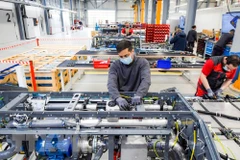
One of the ambitious targets set out in the Politburo's Resolution 57/NQ-TW is to allocate 2% of GDP to research and development (R&D), with 60% of this funding coming from businesses and society. In the current context, where science and technology enterprises, especially small and medium-sized ones, face financial and infrastructure constraints, shared laboratories offer a crucial solution. Timely investment in key national laboratories for shared use by research institutes, universities, enterprises, and individuals is therefore imperative.
Previously, Vietnam invested in 15 key national laboratories, but their effectiveness has been limited as they were not made openly accessible for shared use as originally intended. Recently, some universities and research institutes have received state support to build key laboratories, which has strengthened their research capabilities. However, these labs remain largely closed and exclusive, limiting broader access and collaboration.
According to Dr. Nguyen Quan, former Minister of Science and Technology, the State should invest in new key national laboratories that support priority projects in semiconductor and nuclear energy, as well as research in agricultural processing, crop breeding, genetic modification, and health care. These investments must come with appropriate management mechanisms to ensure effective utilisation.
Many businesses hope that access to shared equipment will help reduce investment costs, promote innovation, and strengthen cooperation.
Beyond infrastructure, enterprises also face challenges such as a lack of access to technology information, difficulty in identifying suitable technologies, financial constraints for innovation, and insufficient high-quality human resources to adopt new technologies.
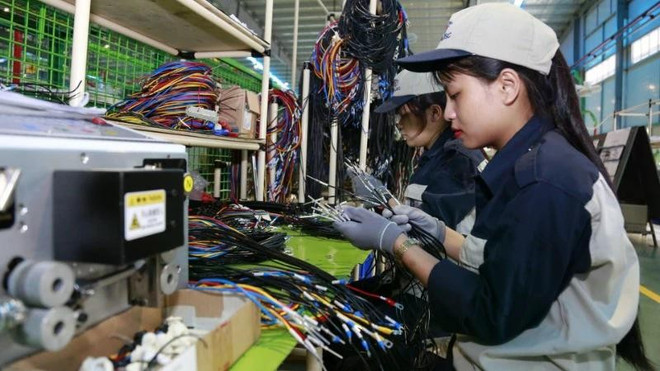
Pham Duc Nghiem, deputy head of the National Agency for Technology Entrepreneurship and Commercialisation Development under the Ministry of Science and Technology, said policies must tackle these issues by funding collaborative projects between research institutes and universities rather than supporting each party separately. This allows businesses to fully tap experts, scientists, and lab facilities to accelerate technology application to production.
Supporting the development of high-quality human resources
The most pressing issue for private enterprises is the shortage of skilled human resources. Amid rapid market changes, some companies have recognised the need to invest in internal talent and recruit young personnel with digital knowledge to meet new requirements. However, for many small and micro-enterprises, acquiring a qualified workforce to generate new technologies or master advanced ones remains out of reach. Experts stressed that support from research and training institutions is essential to provide education and research tailored to the specific demands of businesses.
Another key factor is the need for venture capital funds to support small and medium-sized enterprises, giving them access to funding for innovation and digital transformation projects, experts said.
Despite having promising technological ideas, many companies lack the capital to implement them. Venture capital can help mitigate risks and catalyse projects, especially in the early stages. Successful models in developed countries like the US, Israel, and the Republic of Korea show that with venture capital support, many small firms have achieved major technological breakthroughs, contributing to economic growth.
With such support, businesses can gain the capacity to navigate global challenges and play a meaningful role in driving the nation’s sustainable economic growth. Many enterprises are looking forward to the prompt materialisation of breakthrough policies, which are expected to provide them with necessary resources to implement their strategic initiatives./.