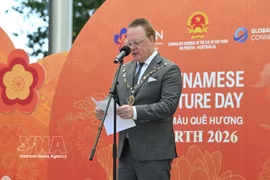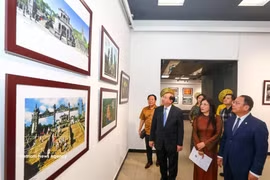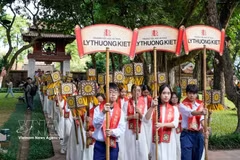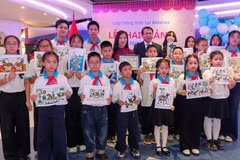
Hanoi (VNA) - UNESCO Representative to Vietnam Jonathan Wallace Baker underscored the heritage value of Quoc Tu Giam (Imperial Academy), the history of cooperation between UNESCO and Vietnam, and recommendations to uphold culture as an internal driver of development during an interview recently granted to the Vietnam News Agency.
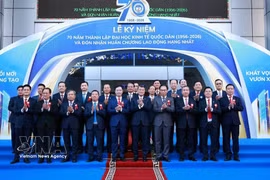
The interview came as Vietnam is celebrating the 950th anniversary of Quoc Tu Giam and the 80th anniversary of the first National Conference on Culture, and preparing for the Week of Culture and Great National Unity from November 18-24, tied to Vietnam Cultural Day (November 24) and the Great National Unity Day (November 18). The year also marks the 50th anniversary of cooperation between UNESCO and Vietnam.
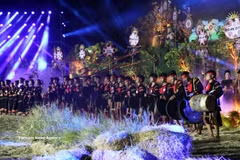
Baker said from UNESCO's perspective, culture makes a particularly important contribution to social cohesion. Cultural events can bring different generations and communities together, encourage cultural exchange and introduce younger audiences to traditions they may otherwise have limited opportunities to experience.
According to him, Vietnam has a remarkably rich and diverse cultural heritage, shaped by the traditions, knowledge and creativity of its 54 ethnic groups. This diversity is a source of strength. Cultural practices, festivals, languages, crafts and shared heritage provide opportunities for people to express their identities, understand one another and develop a sense of belonging.
The anniversaries of Quoc Tu Giam and the first National Conference on Culture also invite reflection on the importance Vietnam has long attached to education, knowledge and culture in national development. These values remain relevant as the country looks towards its future.
“I particularly welcome the emphasis on making culture accessible to people across society. For initiatives such as Vietnam Culture Day to have a lasting impact, they should encourage participation beyond the celebrations themselves, including through schools, museums, public spaces and community activities throughout the year”, he said.
Equally important is ensuring that people have opportunities to actively shape cultural life, whether by practising their traditions, sharing their knowledge or creating new forms of cultural expression. This requires sustained investment in cultural education, local cultural institutions and community-led initiatives, with particular attention to young people and communities that face barriers to participation. In this way, an annual celebration can help strengthen cultural participation throughout the year and across generations, he added.
As UNESCO and Vietnam mark 50 years of cooperation in 2026, he expressed UNESCO’s commitment to working together to safeguard cultural heritage, promote cultural diversity and improve the role of culture in building a more inclusive and sustainable future.
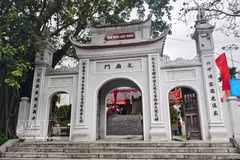
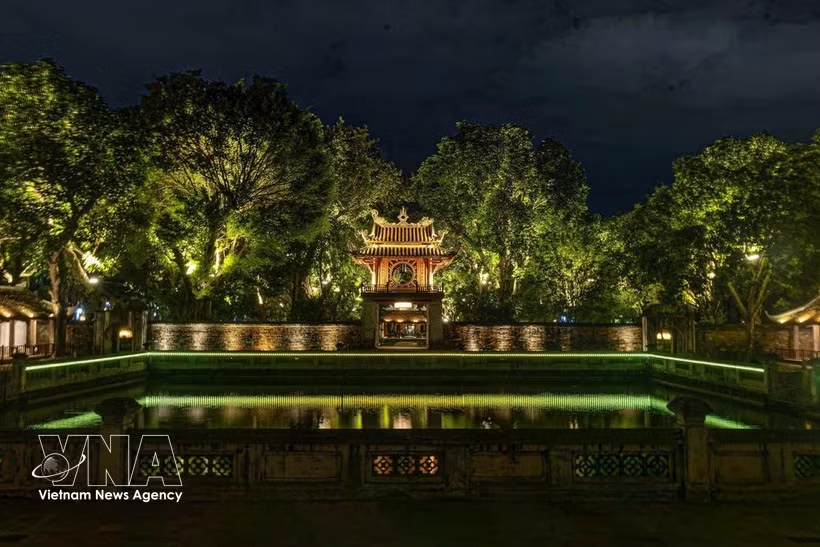
In his view, one of the things that stands out in Vietnam is the deep and enduring respect for education, learning and scholarship. Van Mieu (Temple of Literature)–Quoc Tu Giam is a remarkable expression of that tradition, reminding that knowledge, talent and ethical responsibility have long been closely connected in Vietnamese society.
The site's 82 doctoral steles, inscribed on the UNESCO Memory of the World International Register in 2011, offer a valuable record of more than three centuries of Vietnamese history and education. They also tell a wider story of cultural exchange, showing how Confucian educational traditions were adapted and developed in Vietnam. This makes the site a valuable resource for understanding the historical connections between Vietnam and other East Asian cultures, while appreciating the country's own cultural identity.
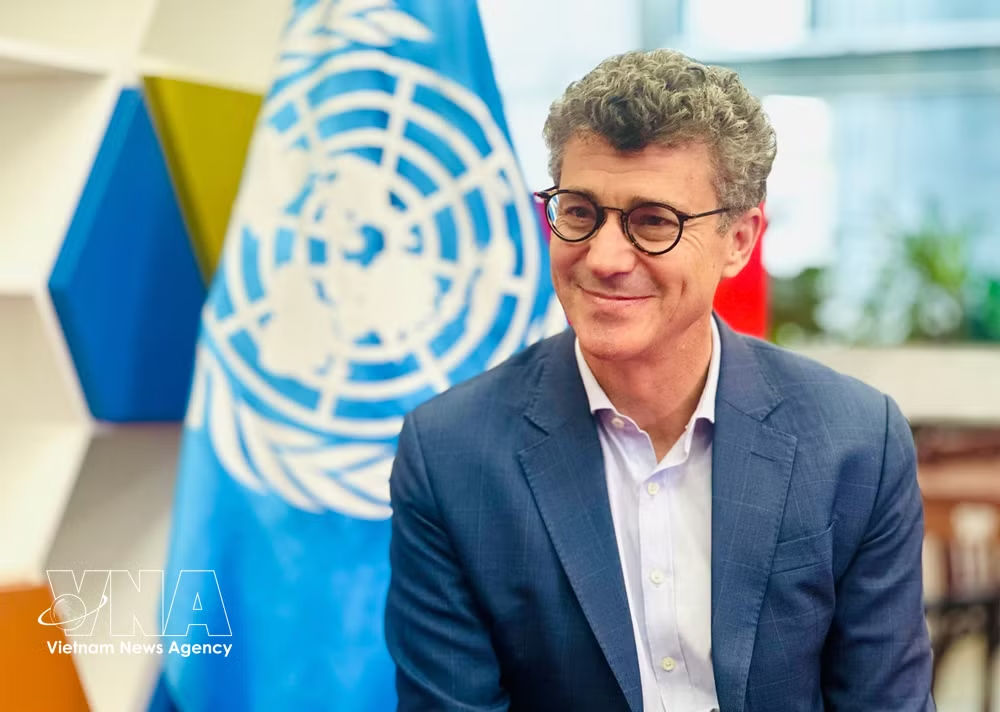
He expressed delight at seeing Vietnam carry this tradition forward through important education reforms, including the adoption of its first Law on Teachers in 2025, Resolution 71-NQ/TW, tuition fee exemptions in public schools and the expansion of full-day schooling. Vietnam now has six cities in UNESCO's Global Network of Learning Cities and has established its first UNESCO Chair at VinUniversity. Together, these developments reflect the country's strong commitment to valuing teachers, expanding access to quality education, promoting lifelong learning and strengthening international academic cooperation.
Looking ahead, he expresed belief that the values embodied by Van Mieu–Quoc Tu Giam should continue to inspire how education is approached. For UNESCO, respect for learning means creating opportunities for people to learn throughout their lives, acquire new knowledge and skills, and participate fully in society. This is especially important as technology, economies and the skills people need continue to change.
Young people are central to this. Heritage sites such as Van Mieu - Quoc Tu Giam can offer opportunities to students to engage with history, learn from cultural traditions and bring their own perspectives and creativity to them. Through heritage education and meaningful engagement with cultural institutions and practitioners, younger generations can appreciate their cultural identity while remaining open to other cultures and ideas, he added.
Baker said UNESCO's mandate in culture extends well beyond supporting cultural events. As the only UN agency with a dedicated mandate for culture, its role is to help countries safeguard their cultural heritage, promote the diversity of cultural expressions and strengthen culture's contribution to sustainable development. Over five decades, its partnership with Vietnam has evolved alongside the country's priorities.
A major area of cooperation has been strengthening heritage protection in line with international standards. UNESCO has worked with national and local authorities to improve the management of World Heritage properties, safeguard intangible cultural heritage and build institutional capacity. Its contribution also extends to policy advice, including technical inputs to the revised Law on Cultural Heritage, the Cinema Law and, more recently, Resolution 80 on cultural development.
Heritage safeguarding has long been central to its partnership, with growing attention to disaster preparedness and climate resilience. Following the severe storms and floods of late 2025, UNESCO mobilised emergency assistance to support heritage recovery at the Complex of Hue Monuments and Hoi An Ancient Town. Its work also extends to documentary heritage, including emergency repairs to the storage facility protecting the Vinh Nghiem Pagoda woodblocks following Typhoon Yagi in 2024, and support for the restoration of five flood-damaged Nguyen-era royal decrees in Dak Lak.
Equally important is ensuring that heritage conservation benefits local communities. The Trang An Landscape Complex offers one example of how heritage conservation, responsible tourism and local economic opportunities can reinforce one another.
Another important area, he said, is the development of Vietnam's cultural and creative ecosystem. “Through the UNESCO Creative Cities Network, we have supported cities in integrating culture and creativity into urban development. Our cooperation also covers cultural policies, creative entrepreneurship, and stronger cultural institutions. Initiatives such as the Hanoi Creative Design Festival and Photo Hanoi provide opportunities for creators to connect with international peers and audiences. More recently, our partnership with SOVICO Group has expanded this work through the Uplifting the Dynamic Cultural and Creative Industries in Vietnam (2025–2030) project, supporting young creators, cultural institutions and the policy environment needed for a stronger creative sector”.
International cooperation has been another defining feature of this partnership. Vietnam has increasingly contributed its experience and perspectives to global cultural discussions, including through the Asia-Pacific Dialogue on Heritage and Authenticity held in 2026. Its initiative for the International Decade of Culture for Sustainable Development (2027–2036) further reflects the country's growing role in shaping the international cultural agenda.
These are just a few recent examples of a partnership that goes back five decades. Throughout this journey, Vietnam has been a valued and committed partner of UNESCO, contributing actively to the organisation's work and increasingly helping shape its global and regional agenda.
“I look forward to building on this strong foundation and taking our partnership even further in the years ahead”, he added./.