Hanoi (VNA) - Vietnam’s identity verification mandate under Circular 08/2026/TT-BKHCN marks a critical push to tighten subscriber management, squeeze out improperly registered SIMs and strengthen user protection in the digital space.
The rules force carriers to verify four data points, including personal ID or citizen identity card number, full name, date of birth, and facial biometrics for new subscriptions, subscribers whose records clash with the National Population Database, and those changing account details, SIM cards or devices. Experts see the measure as vital for sharpening data accuracy and reinforcing regulatory control over the telecom sector.
The Vietnam Telecommunications Authority said more than 93 million of the nation’s roughly 120 million mobile subscriptions have completed verification through the VNeID app and carriers’ digital platforms. Of them, over 60 million cleared facial biometric authentication. Most notably, VNeID’s verification function enabled users to flag over 1.6 million mobile numbers registered under their names but not in their use. Those subscriptions are now under review and being processed to cleanse the subscriber database.
Yet many subscribers remained unverified ahead of the June 15 service suspension deadline, pushing operators to roll out support measures, particularly for remote and mountainous areas and the elderly.
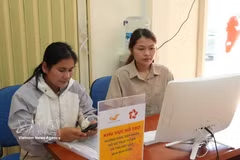
Viettel Telecom has set up some 50,000 verification points nationwide to reach about 5 million remaining customers, supplementing permanent locations with mobile verification teams and home visits for the elderly and those with disabilities through its toll-free customer hotline.
VinaPhone reported that around 18 million subscribers have finished verification while about 3 million still need to comply. It continues to operate more than 1,000 service outlets and roughly 4,000 mobile verification points nationwide and partners with local authorities and public security forces to reach residents in remote, border and island areas.
Experts noted that while biometric checks cannot eradicate telecom fraud entirely, they can substantially curb subscriber impersonation, SIM registrations using forged documents and the illegal takeover of mobile numbers for crime. Standardised data also makes it easier to replace lost SIM cards or restore service when a device goes missing.
Subscribers who miss the deadline face a phased clampdown such as one-way service suspension, then two-way, and ultimately number revocation for non-compliance. The phased approach is designed to enforce the rules while giving users sufficient time to complete procedures.
Standardising subscriber data is not simply a regulatory requirement but also a cornerstone of a more transparent and secure telecom environment. Fully verified records let operators run better-managed services, give authorities sharper tools to fight cybercrime, and offer users stronger protection in digital services.
As Vietnam accelerates its national digital transformation, every correctly verified mobile subscription builds a more comprehensive and reliable telecom database, laying the groundwork for secure, sustainable digital services and public confidence in the country’s digital ecosystem./.