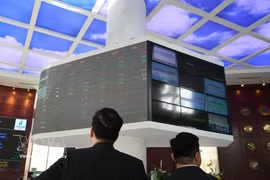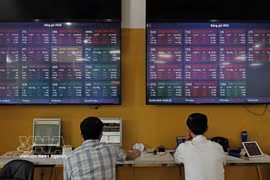
Ho Chi Minh City (VNA) - The FTSE Russell upgrade of Vietnam’s stock market on September 21 opens the door to foreign capital, but the harder task is how to make the country a core, long-term allocation rather than a small weighting in global portfolios.
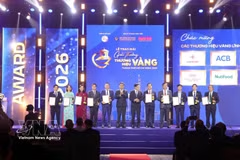
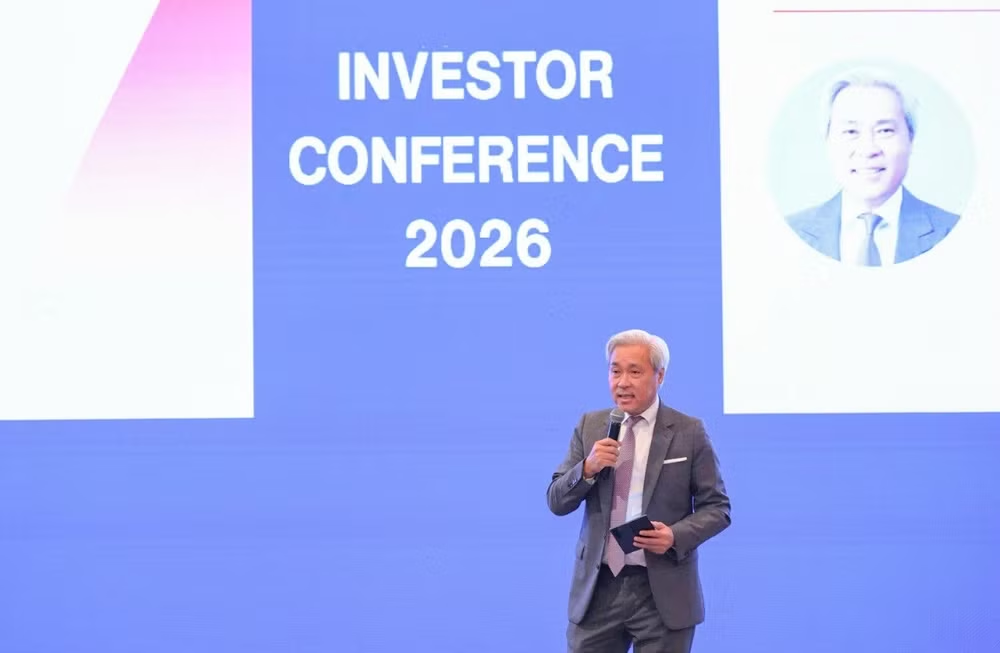
Don Lam, CEO and Founding Partner of VinaCapital, made the argument at its 2026 Investor Conference in Ho Chi Minh City on October 13. The event drew more than 140 investors and representatives of local and overseas financial organisations, who weighed opportunities across major asset classes as Vietnam’s capital market enters a new growth phase.
He said Vietnam is holding up well against a difficult global backdrop, with high-tech exports and heavy infrastructure spending underpinning growth. FTSE Russell’s upgrade of the stock market to secondary emerging status is a milestone that reinforces Vietnam’s standing among international investors.
Favourable demographics and ample room to industrialise, urbanise and lift productivity add to the case. Together, they provide a base for long-term growth and returns.
To capture the benefits of the upgrade, Vietnam must keep deepening its capital market, broaden its range of investment products and expand its capacity to absorb inflows.
A potential MSCI upgrade to emerging market status and a possible investment-grade sovereign credit rating could provide further momentum in coming years. Reaching both will depend on sustained gains in market quality and economic and financial fundamentals, he added.
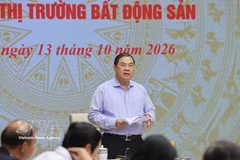
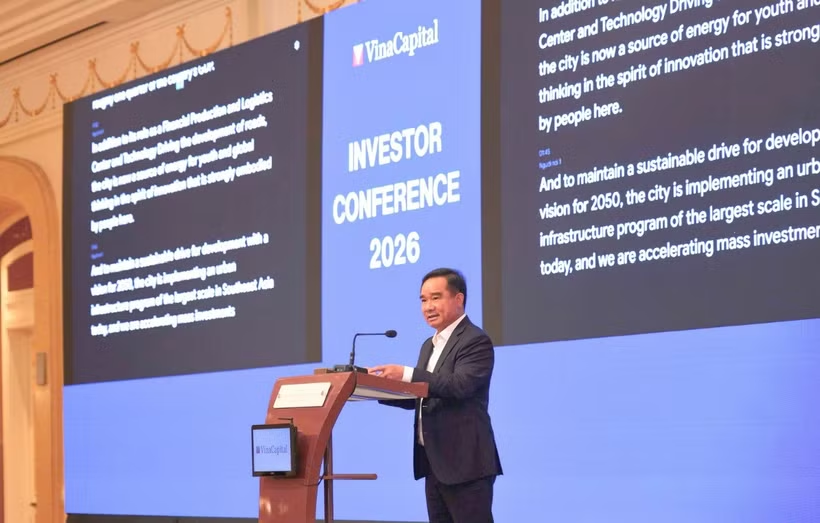
Nguyen Van Duoc, Chairman of the Ho Chi Minh City People’s Committee, said the city has reached a pivotal stage of growth. As the country’s economic engine, it is accelerating infrastructure spending and courting quality capital in sectors earmarked as growth drivers for the next decade, including technology and artificial intelligence, green energy, high-tech manufacturing, logistics and financial services. That widens the scope to match international capital with the economy’s funding needs, but it also demands better project quality, stronger corporate capabilities and more efficient use of capital.
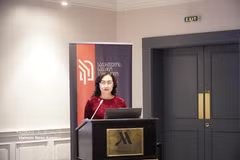
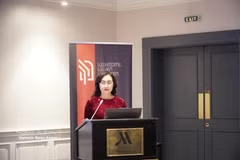
Prof. Russell Napier, a macroeconomic strategist and author of “Anatomy of the Bear,” delivered the keynote global outlook. Drawing on his expertise in capital flows and long-term market cycles, he assessed where Vietnam stands in the next cycle of capital allocation among international investors.
Panel sessions covered the outlook for Vietnam’s stock market after the upgrade; private capital markets, technology investment, growth equity and pre-IPO and IPO opportunities; AI infrastructure and renewable energy; the next real estate cycle; climate-impact investing; and the banking and consumer sectors.
Financing Vietnam’s large-scale infrastructure build-out and the role of the Vietnam International Financial Centre were also on the agenda. The topics are pressing as infrastructure requires ever-larger sums of capital, making diversified funding channels and long-term investors top priorities./.