Vietnam, Pakistan seek sustainable trade growth

Vietnam and Pakistan have seen steady growth in bilateral trade, with an average annual increase of over 6.7% between 2017 and 2024. Two-way trade reached over 850 million USD last year and approximately 327.5 million USD in the first five months of 2025.

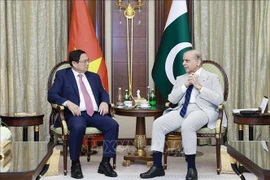
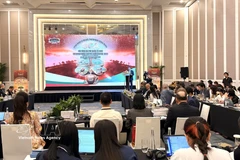
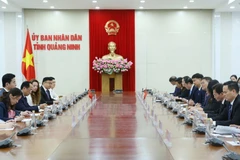
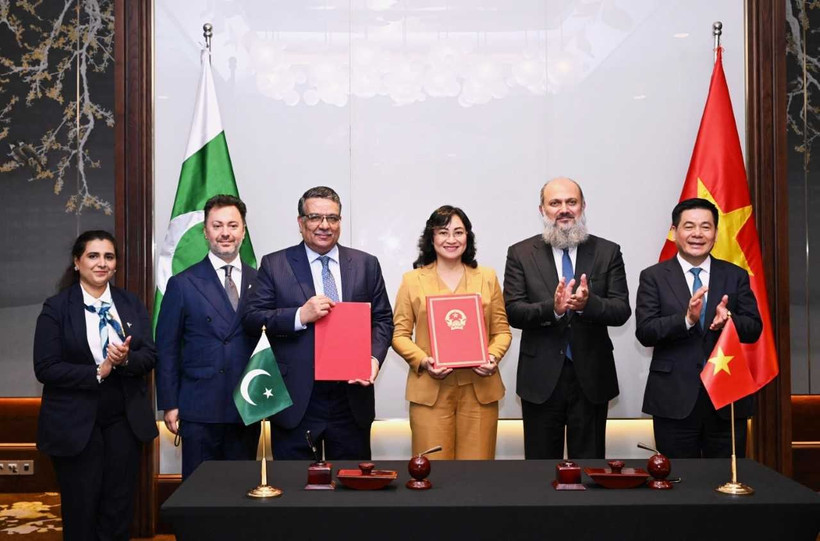
Delegates at the fifth meeting of the Vietnam-Pakistan Joint Subcommittee on Trade in Hanoi on July 11. (Photo: MoIT)

Hanoi (VNA) – Vietnam and Pakistan reaffirmed their commitment to advancing new initiatives and deepening practical, sustainable trade relations at the fifth meeting of the Vietnam-Pakistan Joint Subcommittee on Trade in Hanoi on July 11.

The session was co-chaired by Vietnamese Deputy Minister of Industry and Trade Phan Thi Thang and Additional Secretary of the Pakistani Ministry of Commerce Nasir Hamid.

In her opening remarks, Thang underscored Vietnam’s high regard for its partnership with Pakistan, one of the country’s key partners in South Asia. She said the Joint Subcommittee mechanism not only reflects strong political will but also serves as an effective platform to resolve problems, foster concrete cooperation initiatives, and establish a legal framework to boost bilateral trade towards the goal of 10 billion USD in bilateral trade in the near future.

The two sides reviewed the implementation of agreements reached at the fourth session and discussed potential areas of collaboration.

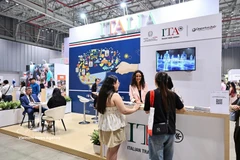
A key outcome of the session was the agreement to accelerate negotiations on a Preferential Trade Agreement (PTA), which both sides view as a strategic step toward reducing tariffs, facilitating market access, and laying the groundwork for a future Free Trade Agreement (FTA).

Both sides noted progress in trade promotion efforts, including business delegation exchanges and joint exhibitions.

Vietnam called on Pakistan to further support Vietnamese firms participating in trade promotion activities in Pakistan, while inviting Pakistan to attend major trade events in Vietnam such as Saigontex, Hanoitex, SaigonFabric, and HanoiFabric. In return, Pakistan invited Vietnam to take part in TEXPO, HEMS, and FoodAg.

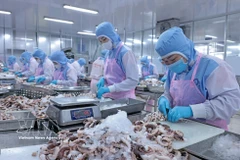
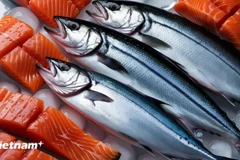
Vietnam also recognised Pakistan as its 14th largest fibre supplier and expressed interest in expanding imports of cotton, fabric, and other materials from this nation to support its textile and garment export industry. While tra fish fillets account for 98% of Vietnam’s seafood exports to Pakistan, both sides agreed on the need to address logistical constraints and external competition.

Vietnam urged Pakistan to remove technical barriers, simplify administrative procedures, and lower import duties on Vietnamese strengths such as pangasius, pepper, and tea. The two countries also agreed to enhance technical cooperation in Halal certification, particularly in mutual recognition of standards and certification processes.

Beyond trade, the two sides explored cooperation in other areas including aviation, finance and banking, health care, human resources development, and visa facilitation.

In closing, Thang praised the constructive and cooperative spirit of the talks, stating that the outcomes of this session will serve as a solid foundation for advancing new initiatives and deepening practical, sustainable trade relations between the two countries.

Hamid expressed confidence that with strong political will and active engagement of relevant authorities and business communities, Vietnam-Pakistan trade ties will continue to develop comprehensively, meeting the expectations of both nations' leaders and citizens.

The two sides agreed to hold the sixth session of the Joint Subcommittee in Pakistan at a mutually convenient time to be arranged via diplomatic channels.
Vietnam and Pakistan have seen steady growth in bilateral trade, with an average annual increase of over 6.7% between 2017 and 2024.

In 2024, two-way trade reached over 850 million USD, up 20.5% from 2023. In the first five months of 2025, the figure approximated 327.5 million USD, up 7.2% year-on-year./

VNA
See more

Tran Ngoc Quan, Trade Counsellor and head of the Vietnam Trade Office in Belgium and the EU (Photo: VNA)

Belgian firms suggested to expand presence in Vietnamese market

Entering 2026 – the first year of implementing the Vietnam – EU Comprehensive Strategic Partnership, the Vietnam Trade Office in Belgium and the EU views this as a pivotal time to inject new momentum into trade ties, said Trade Counsellor Tran Ngoc Quan.

Saigon Marina IFC, an emerging landmark, reflects Ho Chi Minh City’s pioneering spirit.

Saigon Marina IFC – The light of Ho Chi Minh City’s new icon

Saigon Marina IFC, an emerging landmark, reflects Ho Chi Minh City’s pioneering spirit. Designed to become an International Financial Centre, this new architectural icon along the Saigon River is envisioned not only as a premium commercial complex, but as a central platform supporting financial institutions, international investors and cross-border capital flows in the years ahead.

Shoppers at a supermarket in Hung Yen (Photo: VNA)

Retailers see tax compliance, AI as key to survival in 2026 survey

The annual survey, conducted at the end of 2025 among retail and food and beverage (F&B) sellers nationwide, found that businesses are shifting their focus from rapid growth to operational efficiency, cost control and legal compliance amid increasingly stringent regulatory standards.

Visitors shop at Glorious Spring Fair 2026 (Photo: VNA)

Spring Fair 2026 opens broader prospects for Vietnam–UAE trade cooperation

For Vietnam, the UAE serves not only as a consumer market but also as a gateway to the Middle East and North Africa. Vietnamese agricultural products such as cashew nuts, pepper, cinnamon and rice have steadily gained market share, while aquatic products, including tra fish and tuna, are increasingly present in the UAE’s hospitality sector.

Bao Viet Bank's employee counts Vietnamese banknotes at a transaction counter in Hanoi. (Photo: VNA)

Credit quota reform, tighter capital rules may widen gap among banks

Yuanta Vietnam Securities estimates that to achieve GDP growth above 10%, credit growth would need to exceed 16%. This suggests bank credit is no longer expected to be the main growth driver, with greater reliance on fiscal policy, public investment and capital markets.

Commercial Counsellor Do Viet Phuong, Head of the Vietnam Trade Office in Cambodia. (Photo: VNA)

Spring Fair 2026 offers ample room to deepen Vietnam–Cambodia trade ties

Cambodia holds substantial potential for cooperation in agro-processing and exports, especially in key products such as rice, cashew nuts and rubber. In recent years, the country’s cultivation area and agricultural output have grown steadily, providing a stable raw material base for processing industries.

Vietnam is projected to have approximately 2.4 million SMEs, accounting for over 98% of the country’s total enterprises. (Photo: cafef.vn)

Banks offer diverse solutions to support SMEs

With an increasingly significant role in the economy, the small and medium-sized enterprise (SME) sector is becoming a key segment in the credit growth strategies of many banks and the banks have been taking diverse solutions to support the enterprises.