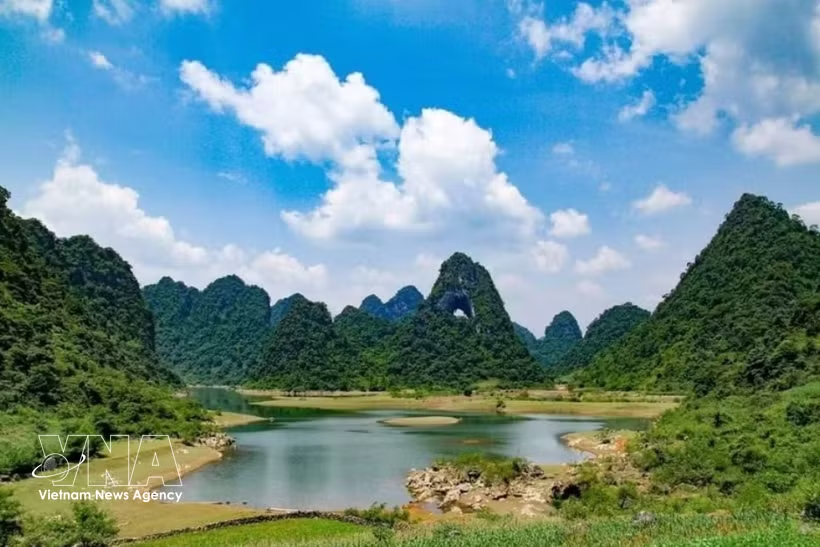
Cao Bang (VNA) – As stunning images of Cao Bang emerge across social media, the northern mountain province is enjoying unprecedented visibility among travelers. But the growing reputation as an affordable destination is also posing a challenge: how to transform popularity into sustainable tourism revenue.
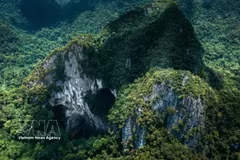
A quick search for "Cao Bang travel" on TikTok, Facebook or Instagram brings up countless videos with titles such as "Two days, one night in Cao Bang," "Budget travel in Cao Bang," or "Beautiful and affordable homestays in Cao Bang." These viral clips have turned the province into a favorite destination for travelers seeking healing journeys, breathtaking landscapes, and authentic cultural experiences.
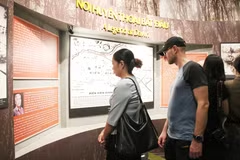
Hoang Duc Viet, a 25-year-old traveler from Hai Phong, recently spent a seven-day solo holiday exploring Cao Bang. He visited Ban Gioc Waterfall, Nguom Ngao Cave, and the Pac Bo Special National Relic Site, praising the province for its spectacular scenery, peaceful atmosphere, and rich historical heritage.
He said travel costs were reasonable, with affordable entrance fees, local specialties such as steamed rice rolls with broth, sour pho and roasted duck, as well as budget-friendly homestays near major attractions.
While Cao Bang's affordability has become one of its biggest draws, it has also shaped visitors' expectations, with many tourists arriving expecting low-cost experiences and spending relatively little during their stay.
Most visitor expenditures remain limited to entrance tickets, accommodation, and basic dining services. According to Nguyen Thi Lan, Chairwoman of the Cao Bang Tourism Association, the province's image as a low-cost destination has become a barrier to the industry's long-term development.
She said if everything remains cheap, the local tourism industry will struggle to improve service quality and generate sustainable revenue.
Lan argued that Cao Bang should reposition itself from being merely an affordable destination to becoming an immersive experience destination, where visitors stay longer, spend more, and are encouraged to return.
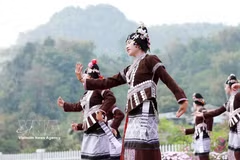
Affordable prices remain a competitive advantage, but changing travel trends are also reshaping the market. More young travelers now prefer independent trips, wellness tourism, and small-group experiences, choosing to slow down, photograph the scenery, and immerse themselves in the daily lives and culture of local ethnic communities rather than participate in organised tours.
Nguyen Duc Thinh, Director of Cao Bang Tourism JSC, said local travel companies are finding it increasingly difficult to sell package tours to large groups. With more families traveling by private car and relying on digital platforms to plan their itineraries, demand for transportation services and tour guides has declined significantly.
Hoang Thi Hoa, Director of Hoang Hoa Travel Co., Ltd., noted that younger visitors are primarily interested in landscapes and photography. They watch online reviews, choose restaurants, homestays, and check-in locations themselves, creating positive publicity for Cao Bang but making conventional tour products less attractive.
Hoang Thi Lan, Director of International Travel Ban Gioc Waterfall Co., Ltd., said accommodation providers should avoid relying on discounts and free offers to attract visitors. Instead, they should focus on enhancing the overall experience so tourists are willing to spend more.
Visitors have also expressed a desire for Cao Bang to invest more boldly in the night-time economy, including pedestrian streets, cultural performances, art spaces, immersive shows, and high-quality entertainment complexes that appeal to younger generations.
Local cuisine is another area with untapped potential. Tourism experts believe food should become a key driver of visitor spending through professionally curated culinary spaces and experiences that tell the stories behind local traditions and culture.
At the same time, Cao Bang can make better use of social media by turning check-in photos, travel videos, and authentic visitor stories into powerful marketing tools that inspire new tourism products aligned with evolving travel trends.
Speaking at a recent dialogue with tourism businesses, Chairman of the Cao Bang provincial People's Committee Le Hai Hoa emphasised the need for high-end resort developments, encouraging investors to build five-star tourism complexes while pledging support in planning, infrastructure development, and administrative procedures.
He also stressed that Ban Gioc waterfall and central urban areas should develop vibrant night-time economies, with preparations underway for a border commercial district, shopping centres, and pilot schemes allowing payments in foreign currencies.
The province's tourism sector has already shown encouraging momentum. During the first five months of 2026, Cao Bang welcomed nearly 1.3 million visitors, generated 1.43 trillion VND (54.3 million USD) in tourism revenue, and recorded an average accommodation occupancy rate of 53%./.