Hanoi (VNA) – Located about 30 kilometres south of central Hanoi, Chuyen My village has long been known as the cradle of Vietnam’s traditional mother-of-pearl inlay and lacquerware crafts. With a history spanning nearly 1,000 years, the village has preserved sophisticated artisanal techniques while reflecting the creativity and cultural identity of the Vietnamese people.
The village recently reached a significant milestone by becoming a member of the Global Network of Creative Craft Cities, opening a new chapter in its efforts to preserve and promote traditional handicrafts.
According to local historical records, the mother-of-pearl inlay craft from Chuyen My dates back to the 11th century during the Ly Dynasty. Over centuries, the craft flourished in villages such as Chuon Thuong, Chuon Ha, Chuon Trung, Chuon Ngo and Boi Khe, creating one of northern Vietnam’s most renowned craft clusters.
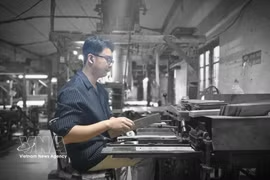
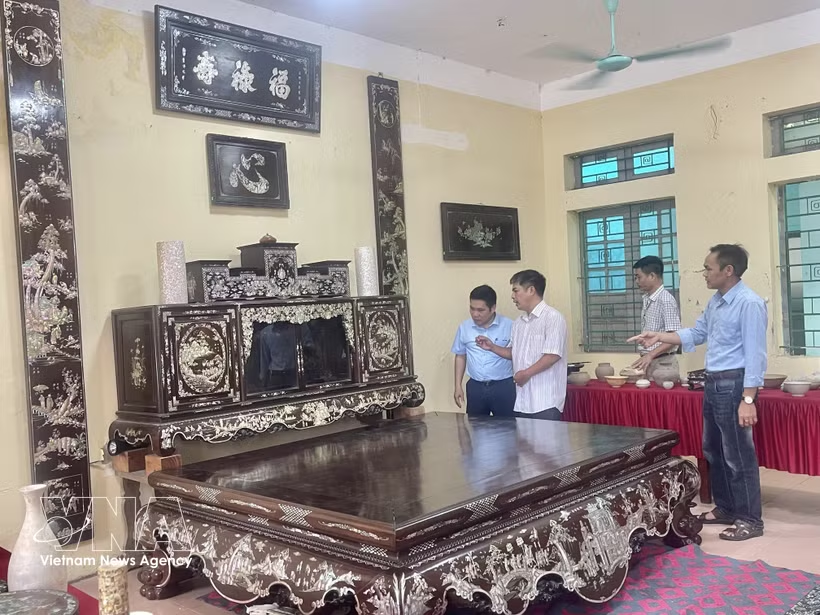
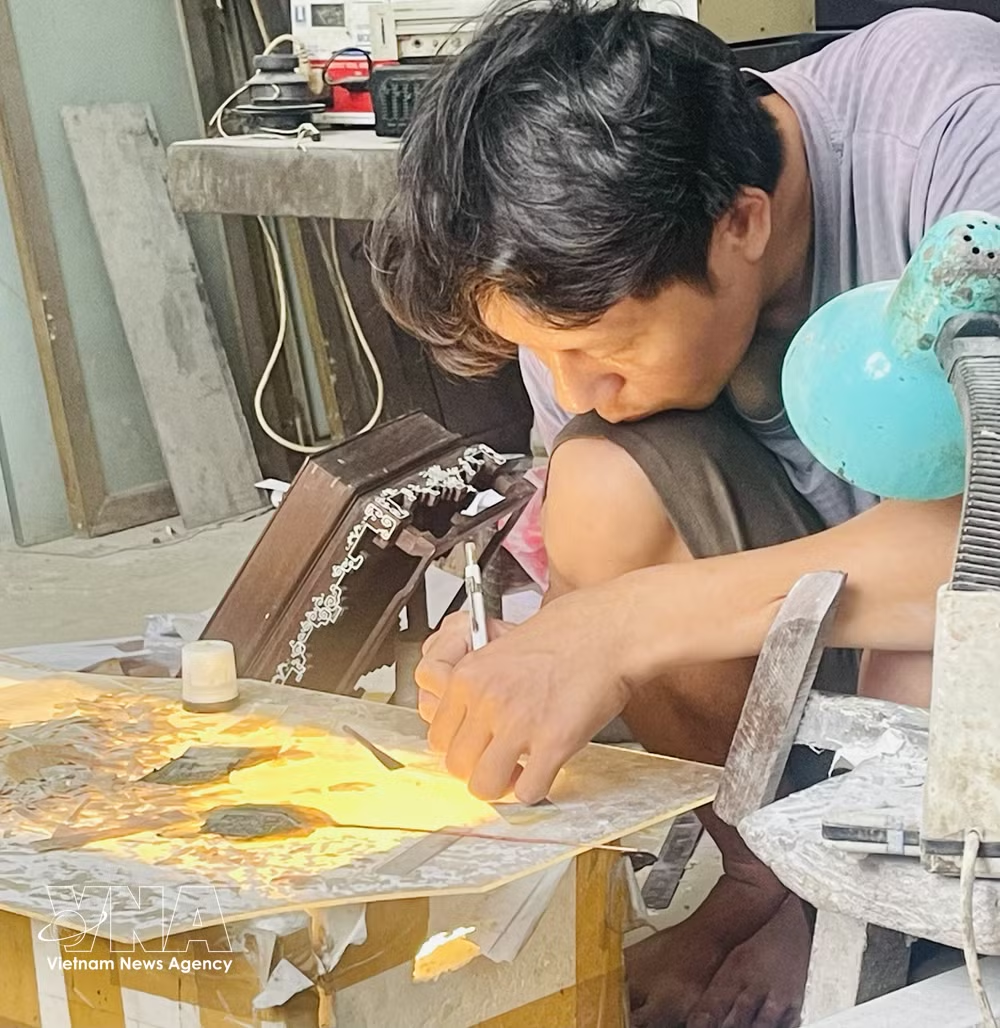
What sets Chuyen My apart is the meticulous craftsmanship behind each product. From oyster and seashell pieces, artisans cut, carve, polish and embed intricate patterns onto lacquered wooden surfaces. The resulting products are not only decorative items but also works of art carrying cultural and historical significance.
Alongside mother-of-pearl inlay, lacquerware has become another hallmark of the village. Artisans combine traditional lacquer with materials such as gold, silver, eggshells and nacre to create products distinguished by rich colours, durability and elegance. The combination of lacquer and mother-of-pearl inlay has given Chuyen My handicrafts a unique identity.
Creating a single product requires numerous labour-intensive stages, from material selection and pattern shaping to engraving, mounting and polishing. Lacquerware production is equally demanding, involving multiple layers of lacquer and repeated hand-polishing to achieve the desired finish.
Over generations, artisans have produced a wide range of handicrafts, including furniture, tea trays, tea canisters, decorative paintings and flower vases. Many have also created portraits of President Ho Chi Minh, General Vo Nguyen Giap, Cuban leader Fidel Castro and other prominent figures.
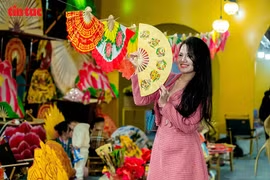
While preserving traditional techniques, local workshops have introduced contemporary designs to meet evolving domestic and international demand. Despite these innovations, the products retain the handcrafted qualities that have defined the village’s reputation for centuries.
Today, Chuyen My is home to 20 artisans honoured with State titles and thousands of skilled workers who continue to safeguard and pass on the crafts.
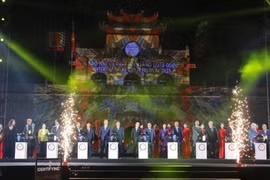
The recent inclusion of Chuyen My mother-of-pearl inlay and lacquerware village, together with Son Dong wood sculpture village, in the Global Network of Creative Craft Cities has further enhanced the international profile of Vietnamese handicrafts.
Along with Bat Trang pottery village and Van Phuc silk village, Hanoi now has four craft villages in the network, making Vietnam the country with the second-largest number of members worldwide after Iran.
The recognition is viewed as an international acknowledgement of the cultural value, creativity and resilience of Vietnam’s traditional craft villages. It also creates opportunities to strengthen Chuyen My’s global brand, expand exports, develop experiential tourism and promote exchanges with artisans worldwide.
Vice Chairman of the Hanoi People’s Committee Nguyen Xuan Luu said the recognition demonstrates the enduring vitality of Vietnam’s traditional craft villages and reinforces Hanoi’s role as a regional centre for creative handicrafts.
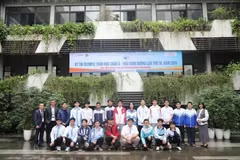
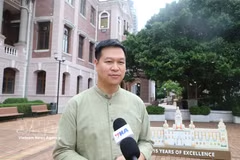
Dr Darlie Oommen Koshy, Vice President of the World Crafts Council AISBL, noted that Chuyen My and Son Dong show that handicrafts remain a vibrant part of contemporary life, generating livelihoods and contributing to economic growth.
Building on centuries of heritage, Chuyen My is entering a new phase of development through digital technology, innovative design and expanded creative spaces. Membership in the global network not only recognises its rich traditions but also inspires local artisans to continue preserving and promoting Vietnamese culture worldwide./.