VNA


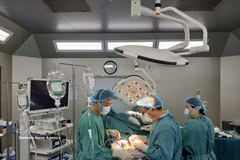
An official of Ho Chi Minh City said the city's specialised hospitals, skilled workforce and modern medical capabilities provide a strong foundation for developing services in specialised treatment, dentistry, assisted reproduction, cosmetic procedures and health check-ups.
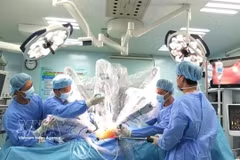
The country now has 34 transplant centres capable of performing heart, liver, lung, kidney and cornea transplants. Beyond single-organ procedures, Vietnam has also mastered multi-organ and domino transplant techniques.

According to the Ho Chi Minh City Centre for Disease Control (HCDC), influenza viruses are are among the fastest-rising pathogens, with 151 positive samples in a single week. Influenza A is the dominant strain, with A/H1N1pdm09 in 116 samples, or nearly 77%.
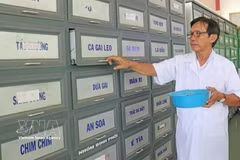
The strategy aims to create a traditional medicine economy with high valued added, support health tourism, help enhance the national soft power, and build Vietnam’s national brand in traditional medicine.
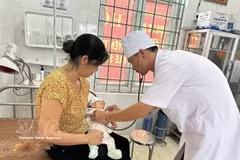
In recent years, alongside efforts to improve the quality of medical examinations and treatment, Phu Tho province’s health sector has focused on creating civilised, friendly hospital environments and strengthening healthcare workers’ sense of responsibility and service-oriented attitudes, with the aim of earning patients’ trust and satisfaction.
Vietnam is one of the world’s biodiversity-rich countries, with more than 5,100 medicinal plant and fungal species, along with hundreds of animal and mineral species used in traditional medicine.
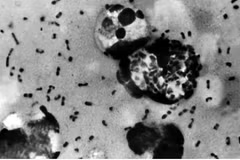
Vietnam reaches out to WHO after death of Russian lab worker

Vietnam is one of VAMED’s important partners in Southeast Asia. The group plans to invest 1.2 billion EUR in Vietnam over the next five years, creating jobs for thousands of workers and promoting knowledge and technology transfer. It also wishes to expand cooperation through preferential credit projects, public-private partnerships (PPPs) and partnerships with private enterprises; and supply medical products from Austria and Germany for Vietnamese partners.
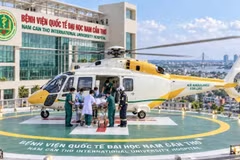
As demand for healthcare services in the city and across the Mekong Delta continues to rise, upgrading medical infrastructure is considered an important condition for developing high-quality healthcare in the region.

Participants discussed ways to better protect older persons’ right to health through concrete policies and action at national, regional and international levels.
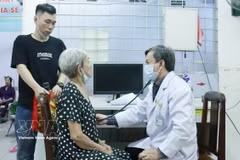
The Ministry of Health is compiling implementation results and developing guidelines for disease-specific screening, while promoting the use of existing medical data to avoid unnecessary repeat tests.
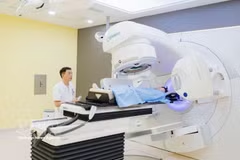
Vietnam has mastered the production of various radiopharmaceuticals and radioisotopes for cancer diagnosis and treatment, helping reduce reliance on imports.
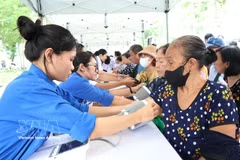
Notably, 49 communes and wards have achieved a health check-up rate of at least 50% of their population, with Thanh An commune reaching 100%.

AI, technological innovation help improve healthcare quality

The model is an important component of the roadmap to turn Da Nang into a specialised medical centre for the central and Central Highlands regions, with a number of key specialties, in line with the spirit of Politburo Resolution No. 72-NQ/TW dated September 9, 2025, on breakthrough solutions to strengthen the protection, care and improvement of people's health.

The newly inaugurated interventional radiology unit is expected to become a reputable medical facility in Vientiane and a bridge for stronger cooperation in training and technology transfer between Vietnam and Laos, said Vietnamese Ambassador to Laos Nguyen Minh Tam.
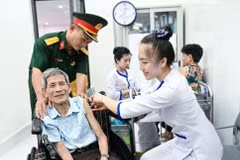
As of July 2026, 163 of the city's 164 hospitals, or 99.4%, adopted electronic medical records, the report said. About 64% of public hospitals and 65% of private hospitals now run the technology across their entire operations

The Cardiology and Interventional Cardiology Department at Hong Ngoc General Hospital features a team of experienced physicians who have worked at leading cardiovascular centers in Vietnam.
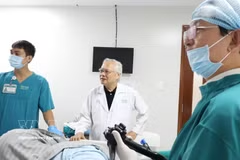
Director of the municipal Department of Health Tang Chi Thuong said a key prerequisite for attracting foreign patients is a strategy to develop centres of medical excellence. He proposed selecting hospitals and specialties with strong expertise for investment towards international standards, particularly in competitive fields such as cardiology, oncology, robotic surgery, assisted reproduction, paediatrics, dentistry, cosmetic medicine, specialised health check-ups, traditional medicine and rehabilitation.
Through this MOU, the US Department of State, working with Congress, plans to provide 98.75 million USD in life-saving global health assistance over the next five years, including 21.385 million USD in dedicated Global Health Security funding, to support Vietnam’s transition to full country ownership of its HIV/AIDS and tuberculosis programmes while strengthening its capacity to detect and respond to emerging and re-emerging infectious disease threats.